0% VAT on Solar Panels Extended: What the Extension Means for UK Homeowners in 2025
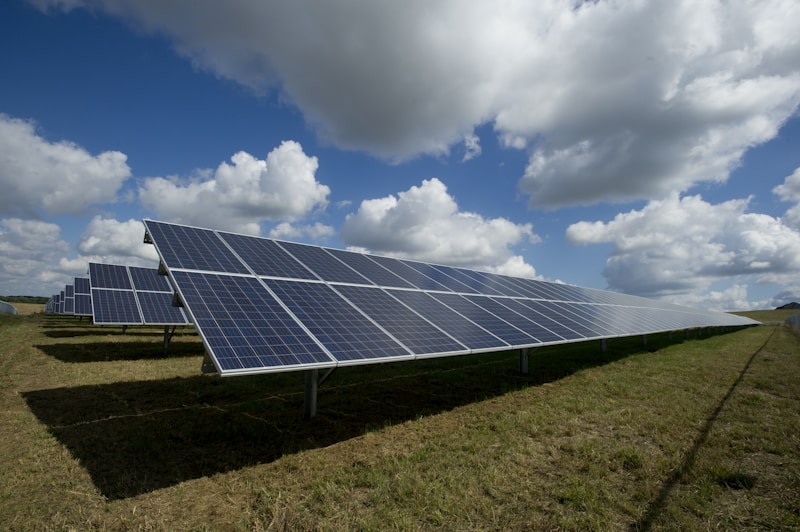
If you've been watching solar panel prices and wondering when to make your move, here's some good news. The 0% VAT rate on residential solar installations remains in place through March 2027—and there's growing speculation it may become permanent.
That's an immediate 20% saving compared to the standard VAT rate. On a typical £8,000 installation, you're keeping £1,333 in your pocket. No forms to fill. No claims to make. The price you're quoted is the price you pay.
But the VAT situation is just one piece of the puzzle. Installation trends, installer capacity, and panel technology have all evolved significantly since the zero-rating was introduced in April 2022. Let's look at where things stand as we head into 2025.
The VAT Exemption Explained
The zero VAT rate applies to the installation of energy-saving materials in residential properties. This covers:
- Solar photovoltaic panels (the electricity-generating kind most people mean when they say "solar panels")
- Solar thermal panels (the hot water heating variety)
- Battery storage systems installed alongside solar panels
- Heat pumps (air source and ground source)
- Insulation materials
- Heating controls
There are some conditions. The installation must be on a residential property—not a business premises. The work must be carried out by a VAT-registered company. And there's a technical cap on the value of materials versus labour, though this rarely affects standard solar installations.
The important thing: you don't need to do anything special to claim it. Any reputable installer will quote you the VAT-inclusive price (which at 0% is just their net price). There's no paperwork or claiming back involved.
Why This Matters More Than You Might Think
Twenty percent might not sound transformative, but in practical terms, it makes a meaningful difference to payback periods.
Consider a 4kW system that costs £7,000 at 0% VAT. At standard 20% VAT, that same system would cost £8,400. If your annual electricity savings are £700, you're looking at 10 years to payback versus 12 years. That's two extra years of pure savings over the system's 25+ year lifespan—potentially another £1,400 in your pocket.
For larger systems, the numbers are even more significant. A 6kW system with battery storage at £15,000 would cost £18,000 with VAT. That's £3,000 extra that would otherwise delay your payback by several years.
Installation Trends in 2025
The solar market has matured considerably since the VAT cut sparked a rush of interest in 2022. Here's what we're seeing:
Prices Have Stabilised
After significant drops between 2020 and 2023, solar panel prices have largely levelled out. A typical residential system costs £5,500-£11,000 depending on size and specification. Battery storage adds £2,500-£10,000 depending on capacity.
Don't expect dramatic price falls from here. Manufacturing costs have hit a floor. If anything, slight increases are possible as global demand grows and raw material prices fluctuate. The time to buy is when you're ready—not in hope of future discounts that may never materialise.
Panel Efficiency Keeps Improving
While prices haven't dropped, what you get for your money has improved. Standard panels now typically produce 400-430W each, up from 350-380W a few years ago. That means fewer panels needed for the same output, or more generation from the same roof space.
Premium panels from manufacturers like SunPower, LG (though they've exited the market), and emerging Chinese brands like Trina and LONGi now exceed 420W as standard. Some models hit 450W+, though availability varies.
Battery Integration Is Increasingly Standard
When the VAT exemption was introduced, most homeowners installed panels alone and added batteries later (if at all). That pattern has shifted. Now, around 60% of new residential installations include battery storage from the outset.
The reasoning is sound. Batteries installed with solar qualify for 0% VAT. Batteries added later to an existing system attract the standard 20%. If you're considering storage, there's a clear financial incentive to include it from day one.
Installer Capacity: The Bottleneck Eases
Remember the installation backlogs of 2022 and early 2023? When energy prices spiked and the VAT cut landed simultaneously, installers were overwhelmed. Wait times of 3-6 months were common. Some companies stopped taking new enquiries entirely.
That situation has improved dramatically. The installer workforce has grown. Companies have expanded operations. New entrants have joined the market. In most parts of Britain, you can now get an installation scheduled within 4-8 weeks of accepting a quote.
That said, demand does spike seasonally. Spring and summer are busiest, as homeowners want systems operational before the longer, sunnier days. If you're planning an installation, getting quotes in winter and scheduling for spring often works well.
Real Homeowner Experiences in 2025
Rachel and Tom, Bristol (4-bed detached): "We installed 14 panels and a 10kWh battery last September. Total cost was £12,800. We calculated that at pre-VAT-cut rates, the same system would have been about £15,400. The difference paid for a weekend away to celebrate. Seriously though, our electricity bills have dropped from £140 a month to about £35. In summer, we're actually in credit some months thanks to the Smart Export Guarantee. No regrets whatsoever."
Geoff, Sheffield (3-bed semi): "I went panels-only in 2023, then added a battery in 2024. Mistake. The battery cost £4,200 including installation—and yes, I paid 20% VAT on that. If I'd done it all at once, I'd have saved nearly £700. Lesson learned. The system works brilliantly though. I'm generating about 4,000kWh a year and using maybe 60% of it myself."
Meera, Edinburgh (tenement flat): "People assume you can't have solar in a flat. Not true. Our top-floor flat has roof access, and after getting agreement from the other owners, I had six panels installed. Smaller system, obviously—about £4,500. But it covers a good chunk of our electricity use, and the upfront cost was manageable. The VAT saving of £750 definitely helped make it affordable."
Chris and Hannah, Norwich (new build): "Our house came with solar pre-installed—four panels, quite small. We decided to expand it. Added another eight panels and a 5kWh battery. The extension cost £6,200 at zero VAT. The installer had to work around the existing system, which was slightly fiddly, but the end result is fantastic. We're producing more than we use most months."
What Happens After March 2027?
The honest answer: nobody knows for certain. The 0% rate is currently legislated through March 2027. Beyond that, the government could:
- Extend the zero rate further (most likely, given climate commitments)
- Make it permanent (possible, and would provide long-term certainty)
- Return to standard 5% rate for energy-saving materials (less likely but possible)
- Return to full 20% VAT (very unlikely given policy direction)
The smart approach: don't gamble on future extensions. If you're ready to install, do it now while the benefit is certain. If you're waiting for the "right time," the current combination of stable prices, zero VAT, and decent installer availability is as good as it's likely to get.
Smart Export Guarantee: Your Ongoing Benefit
Beyond the one-off VAT saving, solar installations qualify you for the Smart Export Guarantee. This pays you for electricity you export to the grid—electricity you generate but don't use yourself.
SEG rates vary significantly between suppliers:
- Octopus Energy: Up to 15p/kWh on their variable tariff (fluctuates with wholesale prices)
- EDF Energy: 5.6p/kWh fixed
- British Gas: 4.5p/kWh fixed
- E.ON: 4.1p/kWh fixed
- Scottish Power: 3.5p/kWh fixed
You don't have to take your electricity supplier's SEG offer. Any licensed supplier with 150,000+ customers must offer a tariff, and you can shop around. The difference between the lowest and highest rates is substantial over 25 years.
How to Proceed
Interested? Here's the practical pathway:
- Get multiple quotes: At least three. Compare like with like—same system size, similar panel brands, equivalent warranties.
- Check installer credentials: MCS certification is essential for SEG eligibility. Also check reviews, how long they've traded, and whether they carry adequate insurance.
- Consider batteries carefully: If you want storage, include it now. The VAT saving on batteries only applies when installed with panels.
- Think about timing: Spring installations catch the sunniest months. Winter quotes often mean less wait time.
- Register for SEG: Once installed, shop around for the best export tariff. Your installer should provide the paperwork you need.
The 0% VAT rate removes a significant barrier to solar adoption. Combined with falling running costs, rising electricity prices, and genuine concern about climate change, the case for residential solar has never been stronger.
Whether the exemption lasts beyond 2027 remains to be seen. What's certain is that it applies now—and that alone is reason enough to take action while the benefit remains available.
The Broader Picture: Energy Independence
Beyond the immediate financial savings, solar installations represent a step toward energy independence. Households with solar panels—particularly those with battery storage—are less vulnerable to grid price fluctuations and supply disruptions. They're generating their own electricity from their own rooftops, reducing reliance on imported fossil fuels.
For many homeowners, this resilience has become as important as the cost savings. The experience of volatile energy prices in 2022-2023 left a lasting impression. Solar provides a hedge against future uncertainty—your roof generates electricity regardless of what happens to wholesale gas prices or geopolitical events.
The 0% VAT exemption makes this transition more accessible than ever. If you've been waiting for the right moment to invest in solar, the current environment—stable prices, zero VAT, growing installer capacity, and strong export tariffs—represents an excellent opportunity to act.