Solar Panel Installation UK: What to Expect on the Day
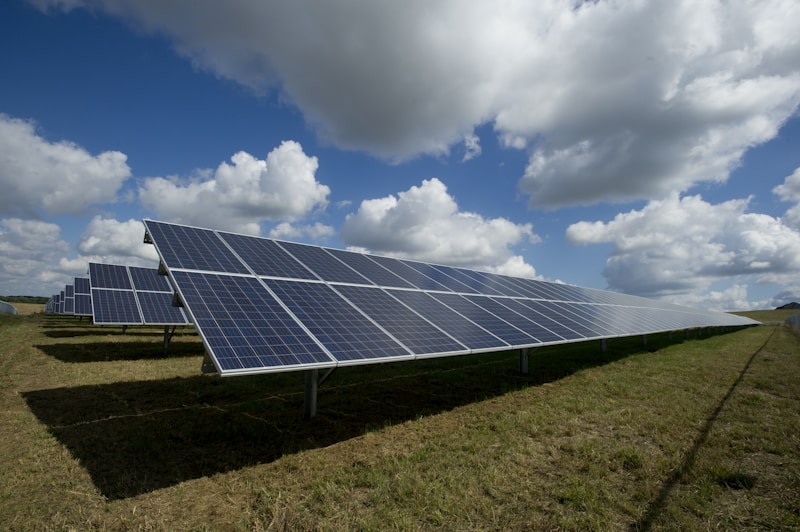
TLDR: Solar installation for a typical 10-16 panel system takes 1-2 days. Scaffolding is erected the day before. The crew installs mounting rails, panels, inverter, and electrical connections. Power is off for 1-2 hours during final connection to the consumer unit. A typical 4 kW system costs £5,000-£7,000 installed; larger 6-8 kW systems cost £7,000-£10,000. You can use the system once DNO notification is complete—usually within a week.
The day your solar panels get installed is genuinely exciting. After weeks of research, quotes, and paperwork, there's something satisfying about watching the crew transform your roof into a power station. But it's also natural to feel a bit apprehensive. What exactly happens? Will it damage your roof? How long will the power be off?
Having spoken with dozens of homeowners who've been through the process—and observed numerous installations myself—I can tell you that most people find it far less disruptive than expected. A good installer turns the whole thing into a surprisingly smooth operation.
This guide walks you through every stage: from the site survey weeks before, through installation day itself, to what happens after the crew leaves. By the end, you'll know exactly what to expect—and what questions to ask your installer.
Costs at a Glance
Before diving into the installation process, here's what you can expect to pay for a typical residential solar installation in the UK:
| System Size | Number of Panels | Typical Cost | Annual Generation | Best For |
|---|---|---|---|---|
| 3-4 kW | 8-10 panels | £5,000-£7,000 | 2,500-3,400 kWh | Smaller homes, 2-3 bed |
| 5-6 kW | 12-15 panels | £6,500-£8,500 | 4,200-5,100 kWh | Average homes, 3-4 bed |
| 6-8 kW | 15-20 panels | £8,000-£11,000 | 5,100-6,800 kWh | Larger homes, high usage |
| Add battery | 5-10 kWh | £3,000-£6,000 | N/A | Maximise self-consumption |
These prices include scaffolding, installation, MCS certification, and DNO notification. VAT on residential solar is currently 0%, so the price you're quoted is the price you pay.
Real Homeowner Experiences
Michelle and Pete, Southampton (1990s detached): "We were nervous about getting solar—it felt like a big commitment. But the installation itself was the easy part. The scaffolding went up on Friday afternoon, and by Monday at 2pm, we had a working 5.4 kW system. The installers were really professional—they kept the noise down, cleaned up after themselves, and even explained how to use the monitoring app before they left. Total cost was £7,200 from Octopus Energy, and we're now generating about 4,500 kWh per year. Our electricity bill has dropped from £120/month to about £35."
Thomas, Birmingham (Victorian terrace): "I was worried about our older roof, but the surveyor checked everything thoroughly—went into the loft, examined the tiles, checked the rafters. He said it was fine but recommended they add some extra support brackets due to the slate tiles. On installation day, the crew of three arrived at 8am. They were drilling on the roof by 9, and by lunchtime, eight panels were up. The electrical work took the afternoon—they routed cables through the loft space down to the consumer unit in the kitchen. Power was off for about 90 minutes while they made the final connection. Total cost was £5,800 for a 3.2 kW system through British Gas Solar. Took about six hours start to finish."
Sarah, Cambridge (new build estate): "Our developer offered solar as an optional extra when we bought the house, but the price was ridiculous—£12,000 for what turned out to be a 4 kW system. We said no, then got quotes after moving in. Ended up paying £6,400 for a 4.4 kW system with a local MCS installer. The installation was textbook—scaffolding Monday, panels Tuesday, scaffolding down Wednesday. One thing nobody warned us about was the inverter noise. Ours is in the garage, and there's a quiet hum during the day when it's working. Not annoying, just unexpected. We're generating about 3,800 kWh per year and saving roughly £700 annually on electricity."
James and Carol, Edinburgh (stone-built bungalow): "Scottish weather meant our installation was rescheduled twice due to high winds. Third time lucky—a crisp, clear November day. The team from EDF Solar arrived at 8:30 with a van full of panels. Because we're a bungalow, the scaffolding was relatively simple—just around the south-facing side. By 4pm, we had 12 panels up and running. The whole thing cost £8,200 for a 4.8 kW system. We also added a 6 kWh battery for another £4,500, installed at the same time. The battery means we use about 85% of what we generate instead of exporting the surplus. On sunny summer days, we run entirely on solar from about 8am to 10pm."
Before Installation Day: The Lead-Up
2-6 Weeks Before: The Site Survey
Before any reputable installer commits to a quote, they'll conduct a detailed site survey. This isn't a quick look at your roof from the ground—expect it to take 30-60 minutes.
The surveyor will check:
- Roof condition: Age, tile type, any signs of damage or weakness
- Roof structure: Rafter spacing and condition (usually checked from the loft)
- Orientation and pitch: Confirming the angles estimated from satellite images
- Shading: Trees, chimneys, neighbouring buildings that might cast shadows
- Consumer unit: Capacity and condition, whether upgrade is needed
- Cable routes: How to get cables from roof to consumer unit
- Inverter location: Where to mount the inverter (garage, utility room, loft, or outside)
After the survey, you'll receive a final quote and system design. This should include panel layout, expected generation figures, and any additional work needed (like consumer unit upgrades or structural reinforcement).
1-2 Weeks Before: Paperwork and DNO Notification
Your installer handles the paperwork, but here's what happens behind the scenes:
- DNO notification: The Distribution Network Operator (your local electricity grid company—UK Power Networks, Western Power Distribution, Scottish Power, etc.) must be notified of any solar installation. For systems under 3.68 kW, this is automatic. Larger systems may need approval, which usually takes 5-10 working days.
- G99 application (if needed): Systems over 3.68 kW per phase require a formal G99 application. Your installer submits this, and the DNO has 45 working days to respond. In practice, approval often comes faster, but it can delay installations.
- Scaffolding booking: Your installer arranges scaffolding. You'll be given a date for erection (usually the day before installation) and removal (usually 1-2 days after).
- Equipment delivery: Panels, inverter, and mounting equipment are delivered to your home or brought by the installation team.
Day Before: Scaffolding Goes Up
Scaffolding erection typically takes 2-4 hours, depending on roof complexity. The scaffolding company will need access around the relevant sides of your house, so:
- Move cars off the driveway
- Clear side passages of bins, bikes, garden furniture
- Warn neighbours about potential access needs
- Keep pets indoors during the noisy parts
Scaffolding usually extends about 1.5 metres from the wall at ground level. It may block access to gates, side doors, or garden areas temporarily.
Installation Day 1: The Main Event
Morning (8:00-12:00)
The installation crew arrives early—typically 8:00-8:30. For a standard residential install, expect 2-4 people: usually one or two roofers/panel installers and one electrician.
First hour: Setup and safety
- Team briefing and equipment check
- Materials laid out and organised
- Safety equipment in place
Next 2-3 hours: Roof work begins
- Mounting hooks or brackets attached to roof rafters (drilled through tiles, then flashed to prevent leaks)
- Horizontal rails fixed to the brackets
- Cable entry points created (usually through the roof into the loft space)
This is the noisiest part—drilling into rafters makes considerable noise. If you work from home, plan for reduced concentration during the morning.
Afternoon (12:00-17:00)
Panel installation (1-2 hours for typical system):
- Panels lifted to roof and clipped onto rails
- DC cables connected between panels in series
- Each panel secured with clamps
Watching panels go up is surprisingly quick. Once the rails are in place, a 12-panel system can be mounted in 60-90 minutes.
Electrical work:
- DC cables routed from roof through loft to inverter location
- Inverter mounted (typically in garage, utility room, or on an external wall)
- Isolators installed (DC isolator near inverter, AC isolator at consumer unit)
- Generation meter installed (required for SEG payments)
Power Outage
At some point during the electrical work, the installer needs to connect to your consumer unit. This requires shutting off your mains power—typically for 1-2 hours.
Plan ahead:
- Charge phones and laptops
- Avoid opening fridge/freezer during the outage
- Let anyone working from home know they'll lose internet
- If you have medical equipment that needs power, discuss backup options with the installer in advance
Installation Day 2 (If Needed)
Many installations complete in a single long day. However, some situations require a second day:
- Larger systems (20+ panels)
- Complex roof layouts (multiple orientations, dormers)
- Difficult cable routes
- Battery installation alongside solar
- Consumer unit replacement required
- Poor weather forcing early finish on day one
If work extends to day two, the system usually isn't operational until electrical commissioning is complete. Your power will be back on overnight between days.
What You Need to Do
Before Installation
- Clear access to consumer unit: Remove anything blocking access to your fuse box
- Ensure loft access is clear: If cables route through the loft, the electrician needs access to the hatch and space to work
- Move cars: The driveway may be needed for equipment and scaffolding access
- Notify neighbours: A courtesy heads-up about scaffolding and noise is appreciated
- Secure pets: Dogs especially may be stressed by strangers and noise
On the Day
- Be home or reachable: The crew may have questions—"Is this the best route for cables?" or "Do you want the inverter here or here?"
- Provide access: Unlock any gates, sheds, or garage doors they might need
- Offer refreshments: Tea, coffee, and biscuits aren't required but are always appreciated. Access to a toilet is essential.
- Stay clear of work areas: Watch from a distance if you're curious, but don't climb scaffolding or distract the team
After Installation: Commissioning and Handover
Same Day
Once installation is complete, the installer will:
- System check: Verify all panels are generating, inverter is communicating correctly
- Handover: Walk you through the monitoring app, show you how to read generation data
- Documentation: Provide MCS certificate, warranty documents, user manuals
- Safety briefing: Explain the isolators, what to do in emergencies, and when to call for help
Following Days
- DNO completion: Your installer submits final notification to the DNO. For larger systems, generation may be limited until the DNO confirms acceptance (usually within 5-10 working days).
- Scaffolding removal: Usually comes down 1-2 days after installation. Takes 1-2 hours.
- SEG registration: Register for the Smart Export Guarantee to get paid for surplus electricity you export. Current rates range from 3-15p per kWh depending on supplier. Octopus Energy's Agile Export and EDF's Export Flex often offer the best rates.
- Monitoring setup: Download the manufacturer's app (SolarEdge, GivEnergy, SolaX, Enphase, etc.) and set up your account to track generation in real-time.
Potential Issues and How They're Handled
Weather Delays
Heavy rain, high winds, or snow can delay roof work for safety reasons. Installers won't risk working in dangerous conditions—and you wouldn't want them to. If weather forces a postponement, they'll reschedule as soon as conditions improve.
Unexpected Roof Problems
Occasionally, the installation team discovers issues not visible during the survey—hidden rot, damaged rafters, or structural weaknesses. Good installers will stop work and discuss options with you rather than proceeding unsafely. This might mean additional costs for repairs before continuing.
Inverter Placement Changes
Sometimes the planned inverter location doesn't work once the team sees the actual cable routes. Be prepared for discussion about alternative locations—the installer should explain the trade-offs.
Consumer Unit Upgrades
Older consumer units may not have space for the solar circuit or may need upgrading to meet current regulations. This should ideally be identified at survey stage, but occasionally discoveries are made on installation day. A consumer unit upgrade typically adds £300-£500 to the cost.
Q&A: Installation Day
Q: Will the installation damage my roof?
A: A proper installation shouldn't cause any damage. Mounting brackets are fixed through the tile into rafters (the strongest point), and each penetration is sealed with flashing or weatherproof boots. Reputable MCS installers guarantee their workmanship and will return to fix any leaks that occur.
Q: What if it rains during installation?
A: Light drizzle usually doesn't stop work—installers are used to British weather. Heavy rain or high winds will delay roof work for safety. If the forecast looks bad, installers may postpone rather than start a job they can't finish.
Q: Can I watch the installation?
A: From a safe distance, absolutely. Many homeowners find it fascinating to see their panels go up. Just stay clear of the work area, don't climb scaffolding, and don't distract the team with constant questions—save those for the handover.
Q: How noisy is it?
A: The noisiest part is drilling mounting brackets into the roof rafters—comparable to other building work. Expect 1-2 hours of significant drilling noise, typically in the morning. The rest of the installation is relatively quiet.
Q: What about my loft insulation?
A: Cables typically run through the loft space. The electrician may need to move insulation temporarily and should put it back afterwards. Check after they've finished—occasionally insulation doesn't get replaced properly.
Q: Do I need to inform my insurance company?
A: Yes, you should notify your home insurance provider. Most standard policies cover solar panels without additional premium, but your insurer needs to know they're there. Get confirmation in writing.
The Bottom Line
Solar panel installation is one of those rare home improvements that's genuinely less disruptive than you'd expect. A professional crew can transform your roof into a clean energy generator in one or two days, with minimal mess and just a brief power interruption.
The key to a smooth installation is choosing the right installer. Look for MCS certification (essential for SEG eligibility), check reviews, and get at least three quotes. A good installer communicates clearly, handles all the paperwork, and leaves you with a working system and the knowledge to use it.
Most homeowners describe a sense of quiet satisfaction watching those first kilowatts appear on the monitoring app. After all the research and decisions, you've done something concrete to reduce your energy bills and carbon footprint. That's worth celebrating—preferably with a cup of tea made from solar-generated electricity.