Solar Panel Costs UK 2025: Complete Pricing Guide
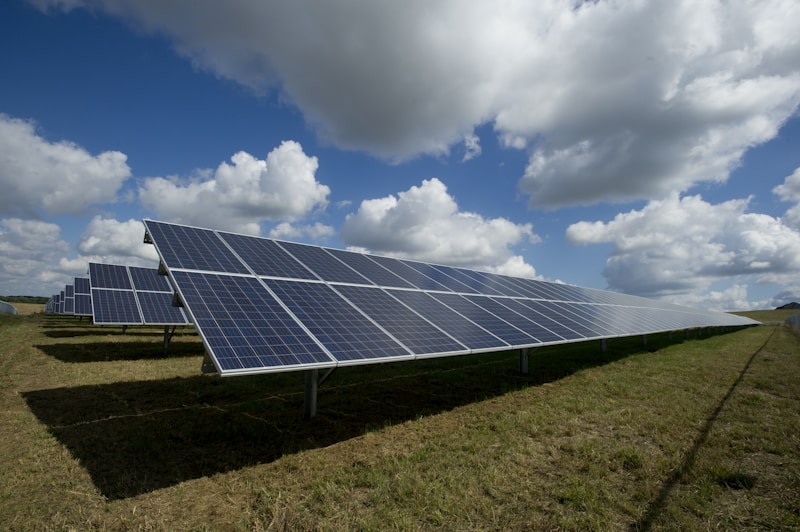
TLDR: UK solar costs £1,000-£1,400 per kW installed. A 4kW system for a typical home runs £5,000-£7,000. There are no upfront grants for solar (unlike heat pumps), but the Smart Export Guarantee pays 4-15p/kWh for electricity you export to the grid. Payback is 8-12 years depending on your usage patterns and electricity rates.
What Solar Costs in the UK Right Now
Prices have stabilised after years of dramatic drops. Here's what you'll actually pay in late 2024 and early 2025:
| System Size | Typical Cost | Panels | Annual Output | Best For |
|---|---|---|---|---|
| 3 kW | £4,000-£5,500 | 8-10 panels | 2,500-3,000 kWh | Flats, small terraces |
| 4 kW | £5,000-£7,000 | 10-12 panels | 3,400-4,000 kWh | Average 3-bed home |
| 5 kW | £6,500-£8,500 | 12-15 panels | 4,200-5,000 kWh | Larger families |
| 6 kW | £7,500-£10,000 | 15-18 panels | 5,000-6,000 kWh | 4+ bed detached |
| 8 kW | £10,000-£13,000 | 20-22 panels | 6,500-7,500 kWh | Large homes, EV owners |
Prices include VAT (0% for residential solar since April 2022), panels, inverter, mounting hardware, all electrical work, scaffolding, and installation. The 0% VAT exemption runs until at least March 2027.
Real Homeowner Experiences
Numbers only tell part of the story. Here's what British homeowners actually paid—and what they learned along the way.
Rachel and Tom, Leicester (3-bed semi): "We got four quotes for a 4 kW system. Prices ranged from £5,800 to £8,200—for essentially the same equipment. The cheapest quote came from a company I'd never heard of with no reviews. The most expensive included lots of unnecessary extras. We went with the middle option at £6,400: a local MCS-certified installer with excellent Trustpilot reviews. They used Canadian Solar panels and a Solis inverter. Installation took one day, and they handled the DNO notification and MCS registration. Eight months in, we've generated over 3,200 kWh."
Michael, Glasgow: "Everyone said Scotland wasn't worth it for solar. Rubbish. Our 5.2 kW system cost £7,800 and generated 4,400 kWh in the first year—more than we expected. Yes, winter is quiet, but May through August are brilliant. We're on the Octopus Outgoing tariff and earned £340 in SEG payments last year, on top of about £420 in bill savings. The installer was based in Edinburgh but covered our area. Whole process was smooth."
Sandra, Exeter (Victorian terrace): "Our slate roof added about £600 to the installation cost. The installer explained that slate requires more careful handling—they can't just lift tiles like with concrete. Still worth it. Our 3.8 kW system cost £6,100 total. We switched to Octopus Flux after installation and now get 24p for peak exports. Combined with off-peak charging for our battery, the system is paying for itself faster than expected."
Paul and Emma, Solihull (4-bed detached): "We went big—7.5 kW system with a 9.5 kWh GivEnergy battery. Total cost was £14,200. Sounds like a lot, but we've cut our electricity bills by about 75%. Last summer we were exporting at 15p during peak hours and buying at 7p overnight. The app shows exactly what's happening in real time. Our EPC went from C to B, which apparently helps property value."
Caroline and David, Sheffield (1930s semi): "Our south-facing roof was perfect for solar, but we worried about the upfront cost. We paid £6,850 for a 4.5 kW system with 12 panels. The installer explained everything about MCS certification and helped us register for the Smart Export Guarantee. We're now earning about £280 per year from exports, plus saving roughly £350 on bills. The payback period looks like about 10 years, then it's all profit."
Nigel, Cambridge (new build): "We moved into a new-build in 2023 and the developer offered solar as an extra. They wanted £12,000 for a 4 kW system—absolutely ridiculous! We declined and arranged our own installation six months after moving in. Got a better 5 kW system for £7,200 from a local MCS installer. Same panels, better inverter, half the price. Always get independent quotes, even if the builder offers solar."
Helen and James, Cardiff (3-bed terrace): "Wales gets plenty of sun, despite what people think. Our 3.8 kW system cost £5,600 and generated over 3,300 kWh in the first year. We switched to Octopus and their Outgoing Fixed tariff, earning 15p for every unit we export. Combined with bill savings, we're looking at under 9 years payback. The installation was straightforward—one day's work and minimal disruption."
What Affects the Price
Roof Type and Accessibility
Your roof condition significantly impacts installation cost and complexity:
- Standard pitched roof with concrete or clay tiles: Baseline pricing. Most straightforward installation.
- Flat roof: Add 10-20% for angled mounting frames. Performance can be as good as pitched if oriented correctly.
- Slate roof: Add 10-15% for specialist fixings and careful handling. Common on Victorian and Edwardian properties.
- Metal roof: Often easier than tiles. May require specific mounting systems.
- Difficult access: Add 5-15% for complex scaffolding, narrow access, or height considerations.
- Listed buildings: May require planning permission and discreet panel placement. Budget extra time and potentially higher costs.
Panel Quality Tiers
Not all panels are created equal. Here's how manufacturers typically segment:
| Tier | Examples | Efficiency | Warranty | Price Premium |
|---|---|---|---|---|
| Budget | JA Solar, Trina, Longi | 19-20% | 12-15 years product, 25 years performance | Baseline |
| Mid-range | Canadian Solar, Q Cells, REC | 20-21% | 25 years product and performance | +10-15% |
| Premium | SunPower, LG, Panasonic | 21-23% | 25-40 years comprehensive | +20-35% |
For most UK installations, mid-range panels offer the best balance of performance, warranty, and value. Premium panels make sense if you have limited roof space and need maximum output per square metre.
Inverter Selection
The inverter converts DC power from panels to AC for your home. Options include:
- String inverters: One central unit handles all panels. Most affordable at £500-£1,200. Works well for simple, unshaded roofs. Brands like Solis, GoodWe, and SolarEdge dominate.
- Microinverters: Individual units on each panel. Add £800-£1,500 to system cost. Better for complex roofs, partial shading, or multi-orientation setups. Enphase is the market leader.
- Hybrid inverters: Handle both solar and battery storage. £1,200-£2,500. Essential if adding battery now; worth considering if you might add one later. GivEnergy, Solis Hybrid, and Sunsynk are popular choices.
Regional Price Variations
Installation costs vary across Britain:
| Region | Price Variance | Notes |
|---|---|---|
| London and Southeast | +10-20% | Higher labour costs, scaffolding premiums |
| Midlands | Average | Competitive market, good availability |
| Northern England | -5-10% | Lower overheads, good value |
| Scotland | -5-10% | Fewer installers but competitive pricing |
| Wales | Average | Variable by area |
| Rural areas | Variable | May be higher due to travel time |
UK Financial Incentives and Returns
The 0% VAT Exemption
Since April 2022, residential solar installations have been exempt from VAT. This saves 20% on the entire project. A system quoted at £6,000 would have cost £7,200 before the exemption.
The exemption also covers battery storage when installed with solar. Add the battery separately later, and you'll pay 20% VAT on that component.
Current legislation maintains the exemption until March 2027. There's political support for extending it, but nothing is guaranteed beyond that date.
The Smart Export Guarantee (SEG)
The SEG requires licensed electricity suppliers with 150,000+ customers to pay for electricity you export to the grid. Unlike the old Feed-in Tariff, there's no government-set rate—suppliers compete on price.
Current SEG rates (December 2024):
| Supplier | Tariff | Rate | Type |
|---|---|---|---|
| Octopus Energy | Outgoing Fixed | 15p/kWh | Fixed |
| Octopus Energy | Outgoing Agile | Variable (avg 10-15p) | Variable |
| Octopus Energy | Flux | Up to 24p peak | Time-of-use |
| EDF | Export Flex | 5.6p/kWh | Fixed |
| British Gas | Export & Earn | 4.5p/kWh | Fixed |
| E.ON | Next Export | 4.1p/kWh | Fixed |
| Scottish Power | Smart Export | 3.5p/kWh | Fixed |
The difference is significant. On 2,000 kWh of annual exports:
- At 4p/kWh: £80/year
- At 15p/kWh: £300/year
You don't need to buy electricity from your SEG supplier. Many homeowners stay with a cheap import supplier while exporting to Octopus.
ECO4 Scheme
Low-income households may qualify for free or subsidised solar through the Energy Company Obligation scheme. Eligibility typically requires:
- Receiving certain benefits (Universal Credit, Pension Credit, Income Support, etc.)
- Having poor home energy efficiency (EPC D or below)
- Living in an eligible property type
Local authorities can also refer households through "flexible eligibility" if they're identified as fuel-poor or vulnerable. ECO4 runs until March 2026.
Calculating Your Returns
Bill Savings
At current Ofgem price cap rates (approximately 24.5p/kWh), every kWh you use directly from solar saves money:
Example: 4kW system in the Midlands
- Annual generation: 3,600 kWh
- Self-consumption rate: 40% (1,440 kWh used directly)
- Direct savings: 1,440 kWh × 24.5p = £353/year
SEG Export Income
Electricity you don't use gets exported:
- Export: 60% (2,160 kWh)
- At Octopus Outgoing Fixed (15p): £324/year
- At basic SEG rate (4p): £86/year
Total Annual Benefit
Using the better SEG rate:
- Bill savings: £353
- SEG income: £324
- Total: £677/year
- System cost: £6,200
- Payback: 9.2 years
Add a battery to increase self-consumption to 70-80%, and annual benefits can reach £800-£1,000—though the higher upfront cost extends total payback slightly.
MCS Certification: Essential for SEG
MCS (Microgeneration Certification Scheme) certification is mandatory for SEG registration. Beyond that, it ensures:
- Your installer meets recognised quality standards
- Installation complies with building regulations
- Consumer protection mechanisms are in place
- Your EPC rating benefits are registered
- Any future sale includes proper documentation
Only use MCS-certified installers. Check registration at mcscertified.com before signing any contract. Non-MCS installations are cheaper upfront but lock you out of SEG payments—potentially costing thousands over the system's lifetime.
Frequently Asked Questions
Q: Are there any grants for solar panels in the UK?
A: No upfront grants for solar currently. The old Feed-in Tariff closed to new applicants in 2019. Some local authority schemes and ECO4 may help low-income households, but most homeowners pay full price. The 0% VAT exemption (saving 20%) is the main financial incentive.
Q: Is solar worth it in cloudy Britain?
A: Absolutely. The UK gets enough light for viable solar generation. Panels work on light, not direct sunshine. Even overcast days produce electricity. Southern England receives similar solar irradiance to Germany, which has one of the largest solar deployments in the world.
Q: Should I wait for prices to drop further?
A: Solar prices have plateaued after years of decline. Panel manufacturing is mature; dramatic price drops are unlikely. Meanwhile, every month without solar is money spent on grid electricity at 24p+/kWh. The 0% VAT exemption may not continue beyond 2027.
Q: What about battery storage?
A: Batteries add £3,000-£10,000 for 5-13 kWh capacity. They increase self-consumption to 70-90%, significantly improving returns. Best value when combined with time-of-use tariffs like Octopus Flux or Intelligent Go. Consider installing solar now and adding battery later if budget is tight—prices continue to fall gradually.
Q: Will solar affect my Energy Performance Certificate?
A: Yes, positively. Solar panels improve your EPC rating, potentially by one or two bands. This matters for property value, remortgaging, and meeting upcoming landlord requirements (rental properties must achieve EPC C by 2028 for new tenancies).
Q: How long do solar panels actually last?
A: Panels typically last 25-30 years with minimal degradation (0.3-0.5% per year). Inverters last 10-15 years and may need replacing once. A system installed today will still be producing 80%+ of original output in 2050.
Getting the Best Price
- Get at least three quotes from MCS-certified installers. Five is better. Prices vary 20-30% for identical systems.
- Compare equipment, not just price. Check panel brand, wattage, inverter type. A cheap quote with unknown panels isn't a bargain.
- Ask about warranties. Panels should have 25+ years performance guarantee. Inverters 10+ years. Workmanship 5+ years minimum.
- Check reviews. Trustpilot, Which? Trusted Traders, Google reviews. Look for recent, verified experiences.
- Avoid pressure sales. "Today only" pricing is a red flag. Legitimate installers don't need high-pressure tactics.
- Verify MCS certification. Check at mcscertified.com. Ask for certificate numbers upfront.
The Bottom Line
UK solar costs £5,000-£7,000 for a typical 4kW system. With electricity prices at 24p+/kWh, payback runs 8-12 years depending on your usage patterns and chosen SEG tariff. After payback, you get 15+ years of near-free electricity from equipment that requires almost no maintenance.
No grants exist for most homeowners, but 0% VAT and SEG payments significantly improve the economics. Your Energy Performance Certificate improves, potentially adding property value.
If you're planning to stay in your home for the medium to long term, solar makes financial sense for most British households with suitable roofs. The maths works—and gets better every time electricity prices rise.