Home EV Charger Installations Surge in 2025: OZEV Grant Changes and Smart Charging Mandates Explained
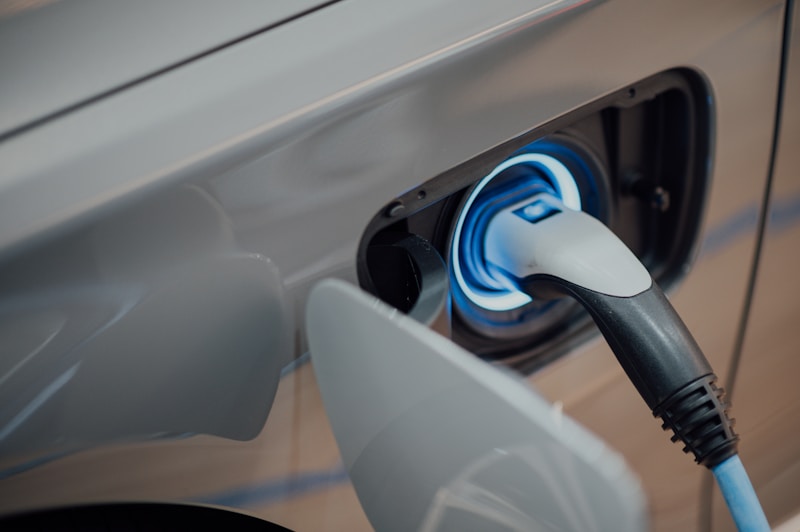
Electric vehicle ownership in Britain has hit an inflection point. Over 900,000 new EVs were registered in 2024 alone, bringing the total UK electric car fleet to well over 2 million. And where there are electric cars, there need to be chargers.
Home charging remains by far the most popular option. It's convenient—you plug in when you get home and wake up to a full battery. It's cheaper—home electricity rates beat public charging networks by a considerable margin. And for most EV owners, it's perfectly adequate for daily driving needs.
But the home charging landscape keeps evolving. Grant support has shifted. Smart charging mandates have come into force. New charger models arrive regularly. Here's everything you need to know as we head through 2025.
The Current State of Home EV Charging
An estimated 1.1 million home EV chargers are now installed across Britain. That number grows by roughly 15,000-20,000 each month. The vast majority are 7kW units—the standard for home installation—capable of adding 25-30 miles of range per hour of charging.
For context: the average UK driver covers about 20 miles per day. A 7kW charger can replenish that in under an hour. Even a flat-to-full charge on a typical 60kWh battery takes 8-9 hours—perfectly achievable overnight.
Faster home chargers exist. Some properties can accommodate 11kW or even 22kW units. But most homes have single-phase electricity supplies, which cap practical charging at around 7kW. Going faster requires three-phase power—typically only available in commercial settings or very new builds.
OZEV Grant Changes: What's Available Now
The EV Chargepoint Grant (formerly OZEV grant) has undergone several revisions. Here's the current position:
For Homeowners (with Off-Street Parking)
The grant for homeowners in owner-occupied properties ended in March 2022. If you own your home and have off-street parking, you'll pay the full installation cost yourself.
Don't let that put you off. A typical home charger installation costs £800-£1,200 including hardware and fitting. That's comparable to what the grant-supported price used to be—installers have become more efficient, and competition has driven prices down.
For Flat Owners and Renters
If you live in a flat or rented property, the EV Chargepoint Grant remains available. It provides up to £350 towards the cost of installing a charger, with an additional £350 potential contribution towards associated electrical work if needed.
Eligibility requires:
- Off-street parking (shared or dedicated)
- Landlord permission for renters
- Approval from the freeholder or management company for flats
- Installation by an OZEV-approved installer
For Landlords
Landlords can claim grants of up to £350 per charger (capped at various amounts per property and per year) to install chargers for tenants. This applies to residential rental properties only.
For Businesses and Workplaces
The Workplace Charging Scheme provides grants of up to £350 per charger for businesses installing units for staff and visitors. Separate grant schemes exist for on-street charging and destination chargers.
Smart Charging: It's Now Mandatory
Since June 2022, all home EV chargers sold in Britain must be "smart" by default. This isn't optional—it's a legal requirement for manufacturers and installers.
What does smart mean in practice?
- App connectivity: You can control your charger via smartphone—starting and stopping sessions, scheduling charging times, monitoring energy use.
- Off-peak scheduling: The charger can automatically charge during cheaper overnight tariff periods. Most will learn your routines and optimise accordingly.
- Grid responsiveness: Smart chargers can respond to signals from the National Grid during periods of high demand, temporarily reducing charging speed to help balance the electricity network.
- Randomised delay: To prevent thousands of chargers all starting simultaneously when people plug in after work, smart chargers incorporate a random delay of up to 10 minutes.
The grid responsiveness requirement has caused some concern. In practice, it rarely affects users noticeably. The charger might slow down for 30 minutes during an exceptional demand event—but your car will still be full by morning.
What Homeowners Are Paying in 2025
Home EV charger installations typically cost between £800 and £1,500, depending on complexity. Here's what influences the price:
The Charger Itself
Popular home chargers include:
- Ohme Home Pro (£749): Compact, app-controlled, integrates with Octopus Intelligent tariff. One of the most popular choices.
- Hypervolt Home 3 (£849): British-designed, solar integration, excellent app. Consistently well-reviewed.
- Pod Point Solo 3 (£899): Reliable, clean design, good app. One of the longest-established brands.
- Wallbox Pulsar Plus (£699): Compact, well-designed, competitive pricing. Popular with style-conscious buyers.
- Tesla Wall Connector (£499): Best integrated with Tesla vehicles but works with any EV. Competitive pricing.
Higher-end units from brands like Easee and Andersen cost £1,000-£1,500 but offer premium build quality, design, and features.
Installation Complexity
The installation cost depends heavily on your property:
- Standard installation (£200-£400): Short cable run from consumer unit, existing electrical capacity sufficient.
- Medium complexity (£400-£700): Longer cable runs, minor upgrades to consumer unit, adding a dedicated circuit.
- Complex installation (£700-£1,500+): Significant cable runs, electrical upgrades needed, three-phase supply considerations.
Most installations fall into the standard or medium categories. Your installer should survey your property and provide a fixed quote before work begins.
Real Installation Stories
Karen, Manchester (semi-detached, driveway charging): "We got an Ohme Home Pro installed for £950 all-in. The electrician was in and out in three hours. The cable run from our consumer unit to the driveway was about 8 metres, which they said was fairly typical. We're on the Octopus Intelligent Go tariff now, so charging costs us 7.5p per kWh overnight. Our electricity bill went up by maybe £30 a month, but we're saving £150+ on what we used to spend on petrol. The app shows exactly what we're using. Brilliant."
David, Edinburgh (detached, garage installation): "I went with a Pod Point because my neighbour has one and rates it highly. Total cost was £1,100 because they had to run the cable through the garage wall and fit it inside. Works perfectly. The garage is about 12 metres from the house, so there was some trenching involved—that pushed the price up a bit. No regrets though. Having a dedicated charger beats trailing extension leads from the house."
Priya, London (flat, communal parking): "Getting a charger installed in our flat's car park was more complicated. The management company had to approve it. I had to get quotes that showed the cable route and demonstrate it wouldn't cause issues. Eventually they agreed. The OZEV grant helped—I got £350 towards the £1,400 installation cost. More expensive than a house installation because of the cable distance and the earthing requirements in a communal space. But it works. I charge overnight and it's ready every morning."
Mike, Bristol (terraced house, no off-street parking): "I can't get a home charger because I don't have a driveway. My car parks on the street. I was gutted initially, but actually the public charging network has improved massively. There are three charge points within walking distance now. And Bristol council is installing more on-street chargers specifically for residents without driveways. It's not as convenient as home charging, but it's manageable."
Choosing the Right Charger
With dozens of options available, how do you pick? Consider these factors:
Speed
7kW suits most home installations and most EV drivers. If you drive unusually high mileage or have a vehicle with a very large battery, a faster charger might justify the extra complexity and cost—but check whether your home electrical supply can support it first.
App Quality
You'll interact with your charger primarily through its app. Some are excellent (Ohme, Hypervolt), others are functional but basic. Read reviews specifically about app experience before buying.
Tariff Integration
Some chargers integrate directly with specific energy tariffs. The Ohme charger, for instance, works seamlessly with Octopus Intelligent Go—automatically scheduling charging during the cheapest overnight windows. If you're planning to use a specific EV tariff, check compatibility.
Solar Compatibility
If you have solar panels or are considering them, some chargers can integrate with your solar system to prioritise free electricity when available. The Hypervolt, Zappi, and several others offer this feature.
Design
Chargers sit on your wall or in your garage for years. Some people don't care what they look like. Others want something that doesn't look like industrial equipment. Brands like Andersen specifically target the design-conscious market.
The Bigger Picture
Home EV charging is quietly becoming normal. Installers are busy but not overwhelmed. Prices are competitive. Technology has matured. The smart charging mandate ensures all new installations contribute positively to grid stability rather than stressing it.
For the 85% of UK households with off-street parking, installing a home charger remains the single most practical thing you can do to make EV ownership convenient and cost-effective.
For those without driveways, the situation is improving. On-street charging infrastructure is expanding rapidly, driven by government grants and local authority initiatives. Lamp-post chargers, kerb-side units, and community charging hubs are appearing in towns and cities nationwide.
If you're considering an EV, don't let charging concerns hold you back. Home charging is easier, cheaper, and more straightforward than most people expect. And if home charging isn't possible, the alternatives are increasingly practical.
The age of the electric car is here. The infrastructure to support it is catching up fast.