Home EV Charger Installation UK: Costs, Grants & Options
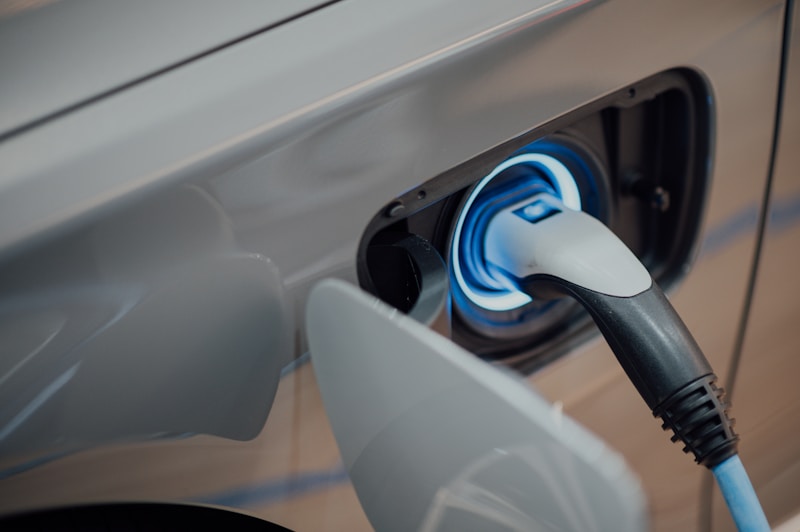
TLDR: A 7kW home EV charger costs £800-£1,200 fully installed. The OZEV grant provides £350 off for eligible renters and flat-dwellers (homeowners in houses no longer qualify as of April 2022). Smart chargers integrate with cheap overnight tariffs like Octopus Intelligent Go, cutting charging costs to 7p/kWh or less. This guide covers everything you need to know: costs, brands, installation process, and how to maximise savings.
Why Install a Home EV Charger?
You can charge an electric vehicle from a standard three-pin socket using the "granny cable" that comes with most EVs. So why spend £800-£1,200 on a dedicated wallbox?
Three reasons: speed, safety, and savings.
Speed: A standard socket delivers roughly 2.3kW—adding just 6-8 miles of range per hour. That's fine for occasional use, but impractical for daily driving. A 7kW wallbox charges three times faster, adding 25-30 miles per hour. Most EV owners can charge overnight and wake to a full battery.
Safety: Three-pin sockets aren't designed for sustained high-current loads. Running an EV charger for 8+ hours nightly can cause overheating, particularly on older wiring. Dedicated EV chargers are professionally installed with appropriate circuit protection.
Savings: Smart chargers integrate with time-of-use electricity tariffs. Octopus Intelligent Go offers 7p/kWh overnight—less than a third of standard rates. Without a smart charger, you can't access these tariffs. The savings pay for the charger within 12-18 months.
Real UK Homeowner Experiences
Daniel, Berkshire (Ohme Home Pro with Tesla Model 3): "I charged on a three-pin plug for the first six months. It was painfully slow—I'd come home, plug in, and still only have 80% charge by morning. The wallbox changed everything. I set it to charge between midnight and 5am on Octopus Intelligent Go at 7p per kWh. A full charge costs about £4.50 instead of £15 on the daytime rate. The charger paid for itself in under a year. Installation took about three hours—the electrician ran a cable from the consumer unit in the garage straight to the charger outside."
Priya, Manchester (Pod Point Solo 3 with Volkswagen ID.3): "I live in a rented flat with a parking space outside. I was worried about installation being complicated, but my landlord was supportive. We used the OZEV grant—£350 off—so the total came to about £650 after the discount. Pod Point's app shows exactly how much electricity I've used each session. I'm averaging about £40 a month in charging costs for 600+ miles. Before, I was paying £50-60 just topping up at public chargers, which was stressful and unpredictable."
Steve and Karen, Yorkshire (Zappi with Hyundai Kona Electric): "We have solar panels, so we wanted a charger that could divert excess solar to the car. The Zappi does exactly that. On sunny days, the car charges for free from surplus solar. In winter, it switches to overnight grid charging automatically. The installation was straightforward—about four hours—and the installer did a great job hiding cables along the garage wall. Total cost was £1,100, but between free solar charging and cheap overnight rates, we're saving over £100 a month compared to our old diesel."
Emma, Bristol (Andersen A2 with BMW iX3): "I'll admit, I chose the Andersen partly for aesthetics. It's expensive—about £1,400 installed—but it looks beautiful on the front of the house. The wood finish matches our front door. More practically, it integrates with Octopus Intelligent, so charging schedules adjust automatically based on electricity prices. My neighbours have asked about it, and two of them have since installed their own. A dedicated charger makes EV ownership feel properly civilised."
Home EV Charger Costs 2025
Charger and Installation Costs
| Charger Type | Charger Price | Installation | Total Cost |
|---|---|---|---|
| Basic 7kW untethered | £300-£500 | £300-£500 | £600-£1,000 |
| Smart 7kW untethered | £400-£650 | £300-£500 | £700-£1,150 |
| Smart 7kW tethered | £500-£850 | £300-£500 | £800-£1,350 |
| Premium 7kW (Andersen, etc.) | £900-£1,400 | £300-£500 | £1,200-£1,900 |
| Solar-integrated (Zappi, etc.) | £700-£1,000 | £350-£550 | £1,050-£1,550 |
| 22kW three-phase | £800-£1,200 | £500-£1,500 | £1,300-£2,700 |
What Affects Installation Cost
Installation costs vary based on several factors:
| Factor | Cost Impact | Notes |
|---|---|---|
| Cable run distance | +£50-£200 | Longer runs from consumer unit add cost |
| Consumer unit upgrade | +£200-£600 | If existing unit is full or outdated |
| Supply upgrade (DNO) | +£500-£2,500 | Rare—only if main fuse is undersized (60A or less) |
| Outdoor trenching | +£200-£500 | Burying cables across driveways/gardens |
| Listed building requirements | +£100-£300 | Additional planning/heritage considerations |
| Flat/apartment installation | +£200-£500 | More complex routing and permissions |
Popular Charger Brands Compared
| Brand | Model | Price (unit only) | Key Features | Best For |
|---|---|---|---|---|
| Ohme | Home Pro | £450-£550 | Excellent app, Octopus integration, dynamic scheduling | Smart tariff users, tech enthusiasts |
| Ohme | ePod | £550-£650 | Premium design, same smart features as Home Pro | Those wanting better aesthetics |
| Pod Point | Solo 3 | £700-£850 | Reliable, clean design, good app | Simplicity, established brand |
| Wallbox | Pulsar Plus | £650-£750 | Compact, solar integration option, Bluetooth | Small spaces, solar owners |
| Zappi | v2.1 | £800-£950 | Solar diversion, grid-friendly modes, eco features | Solar panel owners |
| Hypervolt | Home 3 | £600-£700 | UK-designed, good value, solid app | Value-conscious buyers |
| Andersen | A2 | £1,100-£1,400 | Premium wood/metal finishes, beautiful design | Aesthetics priority, premium homes |
| EO | Mini Pro 3 | £500-£600 | Small form factor, budget-friendly smart option | Limited wall space |
| Tesla | Wall Connector | £450-£550 | Tesla integration, 7kW or 22kW variants | Tesla owners (but works with any EV) |
The OZEV Grant Explained
The Office for Zero Emission Vehicles (OZEV) provides grants to help cover EV charger installation costs. However, eligibility rules changed significantly in April 2022.
Current Eligibility (December 2024)
Who qualifies for £350 grant:
- Renters (private or social housing) with landlord permission
- Flat owners (leaseholders in flats)
- Flat residents (tenants in flats)
- Landlords installing chargers for tenants
Who no longer qualifies:
- Homeowners in houses (freehold or leasehold houses with off-street parking)
The rationale: most house-owners already have off-street parking and can install chargers relatively easily. Flat-dwellers and renters face more barriers, so grants are targeted at them.
Grant Requirements
To claim the grant:
- Use an OZEV-approved installer (check the official list)
- Install an OZEV-approved smart charger
- Charger must have smart functionality (scheduling, app control)
- One grant per eligible property (not per vehicle)
- Grant is applied at point of sale—you don't claim it separately
Scotland: Different Scheme
Scottish residents may qualify for the Energy Saving Trust's interest-free loan scheme, which covers EV charger installation. Check eligibility separately as rules differ from the England/Wales OZEV grant.
Tethered vs Untethered Chargers
Tethered (Cable Attached)
A tethered charger has a permanently attached cable, typically 5-7.5 metres long with a Type 2 connector.
Advantages:
- Convenient—grab and plug without fetching a cable
- Cable is always ready and positioned correctly
- Neater installation for some setups
Disadvantages:
- Locked to one connector type (Type 2)
- Cable can become damaged over time
- Less flexible if you change EV or have multiple vehicles with different connectors
Untethered (Socket Only)
An untethered charger provides a socket. You use your own Type 2 charging cable (supplied with most EVs).
Advantages:
- Works with any EV regardless of connector type
- Cable is stored when not in use (less visible)
- Future-proof if connectors change or you switch vehicles
- Carry cable with you for occasional public charging
Disadvantages:
- Less convenient—must fetch and connect cable each time
- Cable storage needed (boot, garage hook)
Recommendation: For most people, untethered is the better choice—more flexible and future-proof. If convenience is paramount and you expect to keep the same EV long-term, tethered makes daily charging marginally easier.
Smart Charger Features That Matter
Essential Smart Features
- Scheduled charging: Set charging to start/stop at specific times (essential for overnight tariffs)
- App control: Start, stop, and monitor charging remotely
- Energy monitoring: Track kWh used per session and over time
- Tariff integration: Automatic scheduling based on electricity rates
Advanced Features
- Solar diversion: Use excess solar generation for EV charging (Zappi, Wallbox with add-ons)
- Load management: Reduce charging power when household demand is high (prevents breaker trips)
- Dynamic scheduling: Adjust charging times based on grid carbon intensity or price signals
- Vehicle integration: Direct communication with EV for optimal charging (Ohme + compatible EVs)
Octopus Integration
Octopus Energy's smart tariffs (Intelligent Go, Agile, Cosy) work best with compatible chargers. Ohme chargers have particularly strong Octopus integration, automatically scheduling charging during cheapest periods. Other smart chargers work with Octopus but may require manual scheduling.
Charging Speed: What to Expect
| Charger Power | Range Added per Hour | Full Charge (60kWh battery) | Notes |
|---|---|---|---|
| 3-pin plug (2.3kW) | 6-8 miles | 25+ hours | Emergency use only |
| 7kW single-phase | 25-30 miles | 8-10 hours | Standard UK home charger |
| 11kW three-phase | 40-45 miles | 5-6 hours | Requires three-phase supply |
| 22kW three-phase | 80-90 miles | 3-4 hours | Requires three-phase + compatible car |
Most UK homes have single-phase electricity supplies, which limit chargers to 7kW. Three-phase supplies (common in larger properties or new builds) can support faster 11kW or 22kW chargers—but many EVs cap their AC charging at 7-11kW regardless, so faster chargers may not provide benefit.
The 7kW Sweet Spot
For overnight charging, 7kW is more than adequate. If you plug in at 7pm and leave at 7am, that's 12 hours—enough to add 250+ miles of range. Most drivers never need their full battery capacity daily, so even partial overnight charges keep the car topped up.
Installation Process: What to Expect
Step 1: Site Survey
Most installers offer a free site survey (in person or via photos/video). They assess:
- Location of consumer unit and proposed charger position
- Cable route and length
- Consumer unit capacity (spare ways, main fuse size)
- Any electrical upgrade requirements
- Wall construction and mounting options
Step 2: Quote and Booking
You receive a written quote detailing:
- Charger model and price
- Installation cost (labour and materials)
- Any additional work (upgrades, trenching)
- Grant deduction if applicable
- Total payable
Step 3: Installation Day
Installation typically takes 2-4 hours for straightforward setups. Longer for complex cable runs or upgrades. The installer will:
- Turn off power to install a new circuit from your consumer unit
- Run cabling to the charger location
- Mount and wire the charger
- Commission and test the unit
- Walk you through app setup and operation
Step 4: Documentation
You should receive:
- Electrical Installation Certificate (Part P compliance)
- Charger warranty information
- OZEV grant confirmation (if applicable)
- User manual and app login details
Frequently Asked Questions
Q: Do I need to upgrade my electricity supply?
A: Probably not. Most UK homes have 100A supplies, which easily support a 7kW charger (about 32A) alongside normal household loads. Older properties with 60A or 80A supplies may need an upgrade, which your installer can arrange with your Distribution Network Operator (DNO). This adds £500-£2,500 and takes 2-4 weeks.
Q: Can I install a charger myself?
A: Legally, EV charger installation must be notified to Building Control under Part P of the Building Regulations. Most installations require a qualified electrician who can self-certify. DIY installation may invalidate warranties, prevent OZEV grant claims, and create insurance issues. It's not worth the risk.
Q: What if I don't have off-street parking?
A: Without a driveway or private parking space, home charging is difficult. Options include workplace charging, public charge points, and community charging hubs. Some councils are installing lamp-post chargers and on-street charging points for residents without driveways. Check your local authority's EV infrastructure plans.
Q: Can I install a charger in a rented property?
A: Yes, with landlord permission. The OZEV grant specifically supports renters. Your landlord may be willing—the charger adds value to the property. Get written permission before proceeding. The charger typically remains installed when you leave.
Q: Do chargers work in all weather?
A: Yes. Home EV chargers are weatherproofed (typically IP65 or higher), designed for permanent outdoor installation. They work in rain, snow, and freezing temperatures. Cables and connectors are similarly rated for outdoor use.
Q: What about planning permission?
A: Most home charger installations are permitted development—no planning permission required. Exceptions include listed buildings, conservation areas, and some locations where cables cross public land. Check with your local planning authority if uncertain.
Q: How much does home charging cost compared to public charging?
A: Dramatically less. At Ofgem price cap rates (roughly 24.5p/kWh), a full 60kWh charge costs about £14.70. On Octopus Intelligent Go (7p/kWh overnight), the same charge costs £4.20. Public rapid chargers at 70-80p/kWh cost £42-£48 for the same charge. Home charging is 70-90% cheaper than public rapid charging.
Maximising Savings: Smart Tariff Integration
The biggest financial benefit of a home charger is access to smart EV tariffs:
| Tariff | Overnight Rate | Cost per 60kWh Charge | Cost per 10,000 miles/year |
|---|---|---|---|
| Standard variable (Ofgem cap) | 24.5p/kWh | £14.70 | £612 |
| Octopus Go | 9p/kWh | £5.40 | £225 |
| Octopus Intelligent Go | 7p/kWh | £4.20 | £175 |
| EDF GoElectric 35 | 9.2p/kWh | £5.52 | £230 |
| British Gas Electric Drivers | 7.5p/kWh | £4.50 | £188 |
The difference is substantial. An EV driver doing 10,000 miles annually saves £400-£450 per year by switching from standard rates to Octopus Intelligent Go. The smart charger enabling this switch typically pays for itself within 18-24 months through electricity savings alone.
The Bottom Line
A home EV charger is one of the best investments an electric car owner can make. For £800-£1,200 (less with the OZEV grant for eligible properties), you get overnight charging at home, integration with cheap electricity tariffs, and freedom from public charging uncertainty.
Choose a smart charger with good app integration—Ohme, Pod Point, and Zappi are all excellent options at different price points. If you have solar panels, the Zappi's solar diversion feature is worth the premium. If aesthetics matter, Andersen delivers beautiful design at a price.
Installation is straightforward for most properties—a few hours' work by a qualified electrician. Check OZEV grant eligibility if you're a renter or flat-dweller. For house owners, the grant no longer applies, but the economics still work: the charger pays for itself through electricity savings within two years.
The combination of a home charger, smart electricity tariff, and overnight charging transforms EV ownership from "slightly inconvenient" to "genuinely better than petrol." You wake up to a full battery every morning, spend a fraction of what you'd spend on fuel, and never queue at a pump again. That's worth the upfront investment.