EV Charging Costs UK 2025: Home vs Public Charging
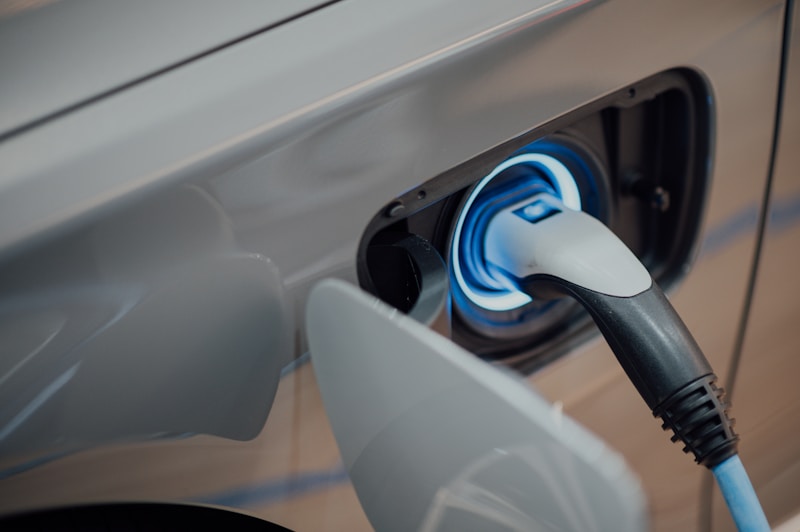
TLDR: Charging at home on a smart tariff costs £0.05-0.08 per mile. Standard home rates run £0.10-0.12 per mile. Public rapid charging costs £0.20-0.35 per mile. Even at public rates, EVs are cheaper than petrol (£0.15-0.20 per mile). The key to maximising savings is understanding your options and choosing the right electricity tariff.
Understanding EV Charging Costs in Britain
The cost of running an electric vehicle depends almost entirely on where and how you charge. Unlike petrol stations where prices vary by a few pence, EV charging costs can range from virtually free (solar panels at home) to eye-wateringly expensive (motorway rapid chargers during peak times).
This guide breaks down every charging scenario you'll encounter as a British EV driver. We've spoken to real owners across the country to find out what they're actually paying—and how they're minimising their costs.
Real UK Homeowner Experiences
David and Claire, Nottingham (Tesla Model 3): "We switched from a BMW 3 Series diesel that was costing us about £180 a month in fuel. Now we're on Octopus Intelligent Go, charging overnight at 7p per kWh. Our monthly electricity for the car comes to about £35-40 for the same mileage. That's a saving of £1,700 a year—more than enough to cover the higher insurance and road tax. The home charger cost us £850 installed, but it paid for itself in seven months."
Sarah, Leeds (Volkswagen ID.4): "I was worried about costs because I can't charge at home—I live in a terrace with no driveway. I use the free chargers at work three days a week and top up at Sainsbury's when I'm shopping. My average monthly charging cost is about £45 for 700 miles. My old Nissan Qashqai was costing me £120 in petrol. It's definitely cheaper, even without home charging."
Marcus, Brighton (MG4): "I installed solar panels last year, and now most of my summer charging is effectively free. Even in winter, I'm paying less than when I had a petrol Focus. The Zappi charger was £1,100 installed but it diverts excess solar to the car automatically. Between April and September, I barely touched the grid for charging. My annual electricity bill for the car is around £250—that's including winter months when I have to buy from the grid."
Hannah, Edinburgh (Hyundai Ioniq 5): "We do a lot of motorway driving to visit family in Newcastle and the Borders. I won't lie—public rapid charging is expensive. A 20-80% charge at Gridserve costs about £35. But we plan our trips to charge at cheaper locations when possible, and the overall running cost is still lower than our old Volvo XC60. We're saving roughly £80-100 a month compared to diesel, even with regular public charging."
Home Charging Costs Breakdown
Roughly 80% of EV charging in the UK happens at home. It's the cheapest and most convenient option for anyone with off-street parking.
Electricity Tariff Comparison
Your choice of electricity tariff makes a massive difference to running costs. Here's what you'll pay under different scenarios, based on typical EV efficiency of 3.5-4 miles per kWh:
| Tariff Type | Rate per kWh | Cost per Mile | Monthly Cost (800 miles) | Annual Cost (10,000 miles) |
|---|---|---|---|---|
| Ofgem Price Cap (standard) | 24.5p | 6.1-7.0p | £49-£56 | £610-£700 |
| Fixed rate (typical) | 22-28p | 5.5-8.0p | £44-£64 | £550-£800 |
| Economy 7 (off-peak) | 10-14p | 2.5-4.0p | £20-£32 | £250-£400 |
| Octopus Go | 9p (23:30-05:30) | 2.3-2.6p | £18-£21 | £230-£260 |
| Octopus Intelligent Go | 7p (smart charging) | 1.8-2.0p | £14-£16 | £180-£200 |
| EDF GoElectric 35 | 9.2p (off-peak) | 2.3-2.6p | £18-£21 | £230-£260 |
| British Gas Electric Drivers | 7.5p (00:00-05:00) | 1.9-2.1p | £15-£17 | £190-£210 |
The difference between standard rates and smart EV tariffs is striking. At Ofgem price cap rates, you're looking at around £650 per year for 10,000 miles. On Octopus Intelligent Go, that drops to under £200. That's a saving of £450 annually—just from choosing the right tariff.
The Smart Tariff Revolution
Smart EV tariffs from suppliers like Octopus Energy, EDF, and British Gas offer dramatically lower overnight rates specifically for EV charging. Ofgem has approved these tariffs as part of the UK's strategy to encourage off-peak electricity use, which helps balance the National Grid.
Octopus Intelligent Go is the most popular, requiring:
- A compatible EV or smart charger (most modern EVs and chargers qualify)
- A smart meter (free installation from your supplier)
- The Octopus app to manage charging sessions
- Willingness to let Octopus schedule your charging during off-peak windows
The clever bit: Intelligent Go doesn't just give you fixed off-peak hours. The app learns your driving patterns and ensures your car is charged by morning, spreading the load across the cheapest periods. You set your departure time, and it handles the rest.
Three-Pin Charging vs Wallbox
Every EV comes with a three-pin "granny cable" for emergency charging from a standard socket. While this works, it's not ideal for regular use:
| Charging Method | Speed | Miles Added per Hour | Overnight Charge (8 hours) |
|---|---|---|---|
| 3-pin plug (2.3kW) | Slow | 6-8 miles | 48-64 miles |
| Home wallbox (7kW) | Fast | 25-30 miles | 200-240 miles |
| Home wallbox (22kW)* | Faster | 75-90 miles | 600-720 miles |
*22kW requires three-phase power supply, which most UK homes don't have.
A 7kW wallbox costs £800-£1,200 installed and is the sweet spot for most households. The OZEV grant provides £350 towards installation for eligible renters and flat-dwellers (homeowners in houses no longer qualify as of April 2022).
Public Charging Costs
When you can't charge at home, public networks fill the gap. Costs vary enormously depending on charger speed, network, and location.
Public Charging Network Comparison (December 2024)
| Network | Slow/Destination (7kW) | Fast (22-50kW) | Rapid (100-150kW) | Ultra-Rapid (350kW) |
|---|---|---|---|---|
| Tesla Supercharger | N/A | N/A | 55-65p/kWh | 60-70p/kWh |
| BP Pulse | 38p/kWh | 55p/kWh | 69p/kWh | 79p/kWh |
| Gridserve Electric Highway | N/A | N/A | 65p/kWh | 79p/kWh |
| Ionity | N/A | N/A | N/A | 74p/kWh (69p members) |
| Pod Point | Free-45p/kWh | 45-55p/kWh | N/A | N/A |
| ChargePoint | Variable | 45-65p/kWh | Variable | Variable |
| InstaVolt | N/A | N/A | 66p/kWh | 66p/kWh |
| Osprey | N/A | N/A | 75p/kWh | 79p/kWh |
| GeniePoint | Variable | Variable | 68p/kWh | N/A |
Tesla Superchargers are now open to all EVs (non-Tesla vehicles pay slightly higher rates). They're often the most reliable option on the motorway network.
Free and Low-Cost Public Charging
Not all public charging is expensive. Many destinations offer free or subsidised charging:
- Supermarkets: Tesco, Sainsbury's, Lidl, and Morrisons offer free charging at selected stores (typically limited to 1 hour)
- Retail parks: IKEA, Aldi, and shopping centres often provide free destination charging
- Workplaces: Many employers offer free charging as a benefit—check with HR
- Hotels: Premier Inn, Holiday Inn, and independents increasingly offer guest charging
- Council car parks: Some local authorities provide free or low-cost charging
Planning your shopping around free chargers can significantly reduce costs if you don't have home charging.
Comparison with Petrol and Diesel
Let's put EV charging costs in context with conventional fuels. Based on December 2024 average UK prices:
| Fuel Type | Price | Efficiency | Cost per Mile | Annual Cost (10,000 miles) |
|---|---|---|---|---|
| Petrol (unleaded) | £1.38/litre | 40 mpg | 15.6p | £1,560 |
| Diesel | £1.45/litre | 50 mpg | 13.2p | £1,320 |
| Premium petrol (super) | £1.52/litre | 40 mpg | 17.2p | £1,720 |
| EV (home, standard rate) | 24.5p/kWh | 3.8 mi/kWh | 6.4p | £640 |
| EV (home, smart tariff) | 7p/kWh | 3.8 mi/kWh | 1.8p | £180 |
| EV (public rapid only) | 70p/kWh | 3.8 mi/kWh | 18.4p | £1,840 |
The maths is clear: home charging on a smart tariff costs roughly 10% of what petrol costs per mile. Even at standard electricity rates, you're paying less than half. Only exclusive use of expensive public rapid chargers makes EVs comparable to petrol—and even then, it's close.
Real-World Annual Cost Examples
Let's look at typical annual costs for different driving patterns:
Scenario 1: Commuter with Home Charging
- Annual mileage: 12,000 miles
- 90% home charging on Octopus Intelligent Go (7p/kWh)
- 10% public charging (average 50p/kWh)
- Car efficiency: 3.8 miles/kWh
Annual cost: £240 (home) + £158 (public) = £398
Versus petrol equivalent at 40mpg: £1,872. Saving: £1,474 per year.
Scenario 2: No Home Charging
- Annual mileage: 8,000 miles
- 50% workplace charging (free)
- 30% supermarket charging (free)
- 20% public rapid charging (70p/kWh)
- Car efficiency: 3.8 miles/kWh
Annual cost: £0 + £0 + £295 = £295
Versus petrol equivalent at 40mpg: £1,248. Saving: £953 per year.
Scenario 3: Long-Distance Driver
- Annual mileage: 20,000 miles
- 60% home charging on standard rate (24.5p/kWh)
- 40% public rapid charging (70p/kWh)
- Car efficiency: 3.5 miles/kWh (motorway driving reduces efficiency)
Annual cost: £840 (home) + £1,600 (public) = £2,440
Versus diesel equivalent at 50mpg: £2,610. Saving: £170 per year.
Even in the worst-case scenario—high mileage with significant public charging—the EV is still cheaper than diesel. Add a smart tariff, and savings increase dramatically.
How to Minimise Your Charging Costs
1. Switch to a Smart EV Tariff
This single change can cut your charging costs by 60-70%. Octopus Intelligent Go, EDF GoElectric, and British Gas Electric Drivers all offer rates below 10p/kWh. The application process takes minutes, and smart meter installation is free.
2. Install a Home Charger
A 7kW wallbox costs £800-£1,200 but pays for itself within a year through lower electricity rates and the convenience of overnight charging. Brands like Ohme, Zappi, and Pod Point integrate seamlessly with smart tariffs.
3. Plan Journeys Around Cheaper Chargers
Apps like Zap-Map, WattsUp, and PlugShare show real-time charger availability and pricing. On long trips, stopping at slightly cheaper chargers (even if it means a small detour) can save significant money over time.
4. Use Free Charging When Available
Top up at Tesco, Lidl, or your workplace whenever possible. Even 20-30 miles of free range each week adds up to meaningful savings over a year.
5. Charge to 80% for Daily Use
Most EVs charge faster from 10-80% than from 80-100%. For daily driving, keeping the battery between 20-80% is gentler on battery life and faster at public chargers.
Frequently Asked Questions
Q: How much does a full charge cost at home?
A: For a typical 60kWh battery: £4.20 on Octopus Intelligent Go (7p/kWh), £14.70 at Ofgem price cap (24.5p/kWh). This provides 200-250 miles of range depending on your car and driving style.
Q: Is it worth getting an EV if I can't charge at home?
A: Yes, for many people. Free workplace and supermarket charging can cover most needs. The economics are slightly less favourable, but EVs still typically cost less to run than petrol cars—plus there are other benefits like lower VED, company car tax, and no ULEZ charges.
Q: Do rapid chargers damage the battery?
A: Modern EVs manage rapid charging intelligently to protect battery health. Occasional rapid charging is fine. If you rely heavily on rapid chargers (say, 80%+ of your charging), battery degradation may be slightly faster—but still well within warranty parameters for most vehicles.
Q: Are public chargers reliable?
A: Reliability has improved significantly, with Ofgem now requiring 99% uptime for rapid chargers on the strategic road network. Tesla Superchargers consistently score highest for reliability. Apps like Zap-Map show user-reported charger status in real time.
Q: What happens to electricity costs if everyone switches to EVs?
A: National Grid has modelled extensive EV adoption and confirmed the network can cope—provided most charging happens overnight. Smart tariffs encourage this behaviour by making off-peak charging cheaper. The grid is increasingly powered by renewables, making EV charging greener over time.
The Bottom Line
EV charging costs in the UK range from under 2p per mile (home charging, smart tariff) to nearly 20p per mile (motorway rapid charging). For most drivers with home charging, annual fuel costs drop from £1,500-£2,000 for petrol to £200-£600 for electricity—a saving of £1,000-£1,500 per year.
Even without home charging, strategic use of free chargers and workplace facilities can make EVs significantly cheaper than petrol or diesel. The fuel savings alone cover a substantial portion of monthly car payments for many new EV buyers.
The economics get better every year as public charging becomes more competitive and electricity tariffs evolve. With the UK's commitment to phasing out new petrol and diesel cars by 2035, the charging infrastructure will only improve. Now is an excellent time to make the switch—your wallet will thank you.