West Virginia Solar Panel Guide 2025: Mountain State Solar Economics & Opportunities
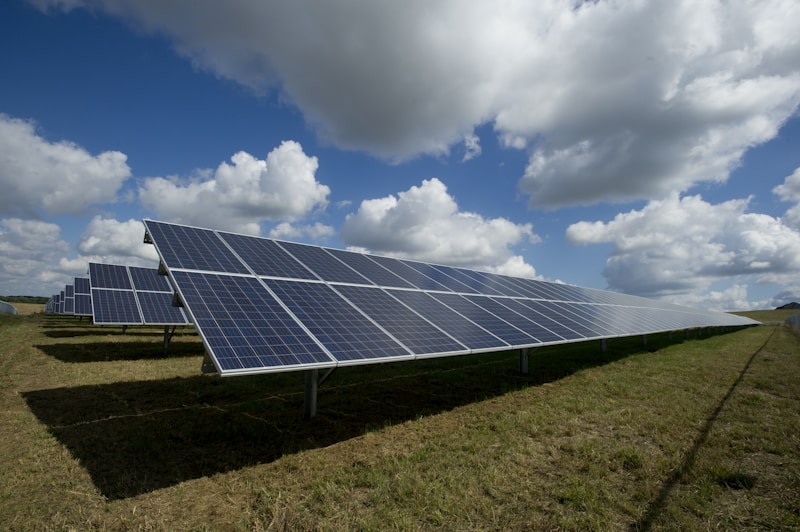
TLDR: West Virginia offers challenges for solar—modest sunshine, no state incentives, and a historically coal-focused energy policy. However, the 30% federal tax credit (expiring December 31, 2025) makes solar viable for Mountain State homeowners. Net metering is available through major utilities. Lower installation costs partially offset reduced production. Typical payback runs 8-12 years with solid long-term returns.
Solar in Coal Country
West Virginia's energy story has been coal for generations. Solar represents a different path, and the economics require careful consideration. The Mountain State receives 4.0-4.5 peak sun hours daily—below the national average but workable. Hills and valleys can create shading challenges that reduce production further.
Despite these factors, solar makes sense for many West Virginia homeowners. James and Linda Morrison of Charleston installed solar in 2024. "Coal miners for generations in my family," James notes. "But the economics spoke for themselves. Our 7 kW system saves $100/month. In 9 years, it pays for itself. After that, decades of free electricity."
For homes with good sun exposure and reasonable electricity usage, West Virginia solar delivers value—just at a more modest scale than sunnier states.
West Virginia Solar Costs in 2025
Current installation costs in West Virginia:
| System Size | Gross Cost | After Federal Credit | Annual Production |
|---|---|---|---|
| 5 kW | $12,000-$15,000 | $8,400-$10,500 | 5,500-6,250 kWh |
| 7 kW | $16,800-$21,000 | $11,760-$14,700 | 7,700-8,750 kWh |
| 9 kW | $21,600-$27,000 | $15,120-$18,900 | 9,900-11,250 kWh |
| 11 kW | $26,400-$33,000 | $18,480-$23,100 | 12,100-13,750 kWh |
Lower labor costs help keep West Virginia installations affordable.
West Virginia Solar Incentives
Federal Solar Investment Tax Credit (30%)
The essential incentive. Reduces federal tax liability by 30% of total system cost. A $18,000 system saves $5,400 in federal taxes.
Critical deadline: The residential federal tax credit expires December 31, 2025. Without state incentives, losing the federal credit makes West Virginia solar marginal. 2025 is the year to act.
Net Metering
West Virginia utilities are required to offer net metering for systems up to 25 kW. Credits are valued at the retail rate minus certain utility charges. Not perfect, but provides value for excess production.
Property Tax Treatment
West Virginia doesn't have a specific solar property tax exemption. Solar may increase assessed value, though treatment varies by county assessor.
No State Tax Credit
West Virginia does not offer a state solar tax credit. The federal credit is your only tax-based incentive.
Mountain State Considerations
Terrain and Shading
West Virginia's hills and forests create potential shading issues. Site assessment is critical. Not every home has adequate solar exposure. Quality installers will honestly assess whether your site is suitable before proceeding.
Production Expectations
Expect 4.0-4.5 peak sun hours daily—about 15-20% less than national average. Size your system accordingly. What a 7 kW system produces in Arizona, you may need 8-9 kW to match in West Virginia.
Weather Patterns
Cloud cover is more common than in plains states. Winter snow affects production temporarily. Panel angles for West Virginia latitudes (35-40 degrees) help shed snow and maximize sun capture.
Real Homeowner Experiences
The Smiths, Huntington: "Our southern-facing roof gets good sun despite the hills. 8 kW system produces about 9,500 kWh per year. Not Arizona numbers, but we're saving $1,100 annually. Payback around 10 years."
Robert Johnson, Morgantown: "WVU area has a small but growing solar community. My installer knew the terrain challenges. They did a thorough shade analysis before we committed. Realistic expectations from the start."
The Petersons, Eastern Panhandle: "Our part of West Virginia gets more sun than the western mountains. We're producing 11,000 kWh from a 9 kW system. Almost matching what we'd expect in Virginia next door."
Site Assessment Importance
In West Virginia, site assessment is more critical than in flat, sunny states:
- Shading analysis: Trees, hills, and buildings all matter. Quality installers use shade analysis tools to predict real production.
- Roof orientation: South-facing is ideal. East and west work but with reduced production. North-facing rarely viable.
- Roof condition: Replace aging roofs before solar. You don't want to remove panels for roof work.
- Ground-mount option: If roof isn't ideal, ground-mount systems can be positioned for optimal sun capture.
A reputable installer will tell you honestly if your property isn't suitable for solar.
Financial Analysis: West Virginia Solar Returns
Running the numbers for a typical installation:
- System size: 7 kW
- Gross cost: $18,200
- Federal credit (30%): -$5,460
- Net cost: $12,740
- Annual production: 8,050 kWh
- Electricity offset at $0.13/kWh: $1,047/year
- Simple payback: 12.2 years
- 25-year savings: $26,175+ (including rate increases)
Payback is longer than high-sun states, but 25-year returns remain positive. Protection against rate increases adds value.
Choosing a West Virginia Installer
West Virginia's smaller solar market means fewer installers, but quality options exist:
- Experience: Look for installers familiar with mountain terrain challenges
- Honest assessment: Beware installers who don't thoroughly analyze shading
- Licensing: Verify WV contractor and electrical licenses
- Regional coverage: Some installers from Virginia, Ohio, or Pennsylvania serve West Virginia
- Reviews: Check Google and BBB ratings
Get at least three quotes. Be wary of projections that seem too optimistic for the location.
Battery Storage Considerations
Battery storage can make sense in West Virginia:
- Mountain terrain can cause localized outages
- Rural areas may have longer utility response times
- Self-consumption optimization helps with net metering nuances
- Federal 30% credit applies to batteries with solar
For rural properties or those with frequent outages, batteries provide practical backup value.
Common Installation Challenges in West Virginia
West Virginia's unique geography creates specific installation considerations:
Mountain Shading Complexity
West Virginia's mountains, hollows, and valleys create complex shading patterns. Morning or afternoon sun may be blocked by ridgelines. Homes in areas like Beckley, Bluefield, and the southern coalfields require careful shade analysis. Not every property is suitable for solar—honest installers will tell you if yours isn't.
Limited Installer Market
West Virginia's smaller solar market means fewer local installers. Many homeowners work with companies from Virginia, Ohio, or Pennsylvania who serve WV. This can affect pricing and service responsiveness. Get quotes from multiple sources and verify references specifically from West Virginia installations.
Older Rural Home Infrastructure
Many West Virginia homes, especially in rural areas, have older electrical panels that need upgrading for solar. A 100-amp panel may need to be upgraded to 200-amp ($1,500-$2,500). Factor this into your budget. Older roof structures in mining communities may need assessment before installation.
Ground-Mount vs Roof-Mount in West Virginia
West Virginia's terrain makes this decision particularly important:
When Ground-Mount Makes Sense:
- Property has open land with good southern exposure
- Roof is shaded but yard gets sun
- Older home with uncertain roof structure
- Flat areas in valleys where roofs may be shaded
When Roof-Mount is Better:
- South-facing roof with minimal shading
- Limited yard space on hillside lots
- Ridge-top homes with excellent roof exposure
- Lower budget (ground-mount adds $3,000-$5,000)
Eastern Panhandle properties near Martinsburg and Charles Town often have flatter terrain suitable for either option. Mountainous areas around Elkins and Lewisburg require more careful site selection.
Local Utility-Specific Programs
Appalachian Power (AEP)
Serving most of southern and central West Virginia, Appalachian Power offers net metering for residential systems. Credits are valued at avoided cost rate. Interconnection applications are processed in 4-6 weeks typically.
Mon Power (FirstEnergy)
Serving north-central West Virginia including Morgantown and Clarksburg areas. Net metering available with similar avoided cost structure. FirstEnergy's interconnection process is generally straightforward.
Potomac Edison (FirstEnergy)
Serving the Eastern Panhandle including Martinsburg, Shepherdstown, and Charles Town. This area has more sunshine than western WV and growing solar adoption. Net metering policies mirror other FirstEnergy utilities.
Additional Homeowner Experiences
The Walkers, Bridgeport: "I-79 corridor gets decent sun—we're not in a deep hollow. Our 8 kW system was $22,400 before the federal credit—$15,680 net. We produce about 9,800 kWh annually and use 9,200. The small excess builds credits for gray winter weeks. Annual savings are around $1,200. Payback is 13 years, but we're energy independent for the next 25+."
David and Karen Price, Shepherdstown: "Eastern Panhandle has better sun than most people expect. We're close to Virginia and see similar production numbers. Our 7 kW system generates 9,100 kWh per year. Net cost after federal credit was $13,500. We're saving $1,180 annually with Mon Power's net metering."
Frequently Asked Questions
Q: Is West Virginia too cloudy for solar?
A: Not necessarily. Cloud cover reduces production but doesn't eliminate it. Many West Virginia homes get adequate sun for worthwhile returns.
Q: What if my property is heavily shaded?
A: Solar may not be right for you. Honest installers will tell you this. Tree removal is rarely economical just for solar.
Q: Will West Virginia add state incentives?
A: There's no current indication of future incentives. Don't wait for hypothetical programs—the federal credit expires December 31, 2025.
Q: How does solar affect my home value?
A: Studies show solar adds value, though West Virginia data is limited. Energy-efficient features are increasingly valued by buyers.
Q: Which areas of WV have the best solar potential?
A: The Eastern Panhandle (Martinsburg, Charles Town, Shepherdstown) has the best sunshine—similar to Virginia. Ridge-top properties statewide often have excellent exposure. Deep valleys and north-facing slopes in southern WV are most challenging.
Q: Are there any WV-specific solar programs?
A: West Virginia doesn't offer state-level solar incentives. The federal 30% tax credit is your primary tool. Some utilities occasionally offer small rebates—ask your installer about current offerings, but don't count on them.
Battery Storage: Critical for Mountain State Reliability
Let me be real with you—West Virginia's terrain creates unique power reliability challenges. Mountain roads and steep terrain mean utility crews sometimes take days to restore power after storms. Battery backup isn't just convenient here; it can be essential.
Why Batteries Make Sense in WV
Ice storms, thunderstorms, and high winds regularly knock out power in West Virginia. Mountain communities can be isolated when trees and power lines go down on winding roads. A battery backup keeps your essentials running—furnace blower (so pipes don't freeze), refrigerator, lights, and phone chargers—while you wait for restoration. For rural properties, this isn't a luxury; it's practical preparedness.
Battery Options and Costs for West Virginia
| Battery System | Capacity | Installed Cost | After 30% Credit |
|---|---|---|---|
| Tesla Powerwall 3 | 13.5 kWh | $11,500-$14,000 | $8,050-$9,800 |
| Enphase IQ Battery 5P | 5-15 kWh | $5,500-$14,500 | $3,850-$10,150 |
| Generac PWRcell | 9-18 kWh | $11,000-$19,000 | $7,700-$13,300 |
| Franklin WholePower | 13.6 kWh | $13,000-$16,500 | $9,100-$11,550 |
For most West Virginia homes, one 13-15 kWh battery handles essential backup during outages. Rural properties with well pumps should definitely prioritize battery backup—no power means no water. If you want to run more than essentials, budget for two units.
Installation Timeline: What West Virginia Homeowners Can Expect
Here's a realistic week-by-week breakdown for going solar in the Mountain State:
Weeks 1-2: Site Assessment and Design
Your installer visits, carefully evaluates shading from hills, trees, and buildings, and checks your electrical panel (older 100-amp panels may need upgrading). They'll review your Appalachian Power, Mon Power, or Potomac Edison bills. You'll receive an honest assessment of whether your property is suitable for solar—not every West Virginia home is.
Weeks 3-4: Permitting
West Virginia permitting varies by county. Charleston and Huntington have relatively efficient processes—expect 2-3 weeks. Rural counties may take longer. Your installer handles all paperwork, but plan for variability in timeline.
Weeks 5-6: Installation
Physical installation takes 1-2 days for roof-mount systems with good access. Ground-mount systems take 3-4 days. Mountain terrain can complicate equipment delivery and installation logistics—experienced WV installers plan for this.
Weeks 7-9: Inspection and Interconnection
County electrical inspection first, then utility interconnection. Appalachian Power typically completes interconnection in 4-6 weeks. Mon Power and Potomac Edison are similar. Once you receive "permission to operate," your system starts generating.
Total: 7-11 weeks from contract to power-on. To complete before December 31, 2025, sign your contract by early September 2025. Mountain weather and limited installer availability can cause delays—earlier is better.
More West Virginia Homeowner Experiences
Tom and Barbara Reynolds, Martinsburg: "Eastern Panhandle has the best solar conditions in West Virginia—we're basically in the Virginia sun belt. Our 8 kW system cost $22,000 before the federal credit—$15,400 net. We're producing 10,500 kWh annually, covering our entire usage. Annual savings are $1,365. Payback is 11 years, but we're locked in against rate increases for 25+ years. Our neighbors in Virginia paid more for similar systems, so we got a good deal being on the WV side."
Jennifer Mullins, Parkersburg: "I was skeptical—everyone said West Virginia isn't good for solar. But my ridge-top property gets sun from dawn to dusk. My 7 kW system produces 9,200 kWh per year, right on projection. Cost was $18,500 before the federal credit—$12,950 net. I'm saving $1,195 per year. My installer was honest about what to expect, and the system's delivering exactly what they promised. People need to stop thinking West Virginia can't do solar—it depends on your specific site."
The Whitmans, Beckley: "Southern WV has challenges—we're in a hollow with morning shade. But our south-facing roof gets afternoon sun. The installer was honest that we'd produce less than flat-terrain states. Our 6 kW system makes 6,800 kWh per year. Net cost after federal credit was $10,920. We're saving $884 per year. Payback is 12 years, longer than other states, but we're still saving money and helping the environment. Plus we added a battery—the peace of mind during ice storms is worth every penny."
Take Action Before December 31, 2025
The federal 30% tax credit is essential for West Virginia solar economics. Without it, payback extends beyond practical limits for most homeowners. 2025 is the window.
Timeline for 2025 installation:
- Get quotes and site assessments: Now through summer 2025
- Sign contract: By September 2025
- Permitting and installation: 6-10 weeks
- Operational: Before December 31, 2025
West Virginia solar isn't for every home, but for properties with good sun exposure, it provides decades of savings and energy independence. Get site assessments from reputable installers, understand realistic production expectations, and make an informed decision. The federal credit won't wait—2025 is the time to act in the Mountain State.