South Dakota Solar Panel Guide 2025: Mount Rushmore State Solar Economics
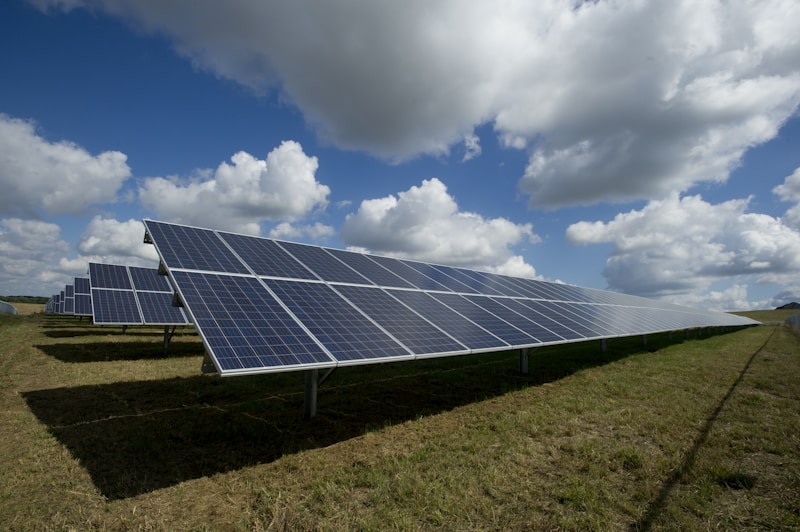
TLDR: South Dakota offers no state solar incentives, making the 30% federal tax credit your primary financial tool. The Mount Rushmore State has good sunshine (4.5-5.0 peak sun hours daily) and low installation costs. Low electricity rates ($0.12/kWh average) mean slower payback, but 25-year returns remain positive. The federal credit expires December 31, 2025—this is your window to act.
Solar Reality in South Dakota
South Dakota is honest territory for solar—no state incentives to sweeten the deal. What you see is what you get: federal credit, utility policies, and the natural resources of prairie sunshine. For homeowners who understand the economics, solar still makes sense.
Tom and Karen Anderson of Sioux Falls installed solar in 2023. "Without state incentives, we knew payback would be longer," Tom explains. "But we're paying $1,400/year less for electricity. The system will pay for itself in 11 years, then run essentially free for another 15-20 years. That's a good investment."
South Dakota receives 4.5-5.0 peak sun hours daily—comparable to many states with better incentives. The prairie's open skies and minimal cloud cover help.
South Dakota Solar Costs in 2025
Current installation costs in South Dakota:
| System Size | Gross Cost | After Federal Credit | Annual Production |
|---|---|---|---|
| 5 kW | $12,500-$15,000 | $8,750-$10,500 | 6,750-7,500 kWh |
| 7 kW | $17,500-$21,000 | $12,250-$14,700 | 9,450-10,500 kWh |
| 9 kW | $22,500-$27,000 | $15,750-$18,900 | 12,150-13,500 kWh |
| 11 kW | $27,500-$33,000 | $19,250-$23,100 | 14,850-16,500 kWh |
South Dakota's lower labor and operational costs keep installation prices competitive.
South Dakota Solar Incentives
Federal Solar Investment Tax Credit (30%)
Your primary incentive. Reduces federal tax liability by 30% of total system cost. A $20,000 system saves $6,000 in federal taxes.
Critical deadline: The residential federal tax credit expires December 31, 2025. Without state incentives, losing the federal credit dramatically impacts economics. 2025 is the year to act.
Net Metering
South Dakota utilities generally offer net metering, though policies vary. Xcel Energy provides net metering at avoided cost rates. Many rural electric cooperatives have their own policies—contact yours directly.
Property Tax Considerations
South Dakota doesn't have a specific solar property tax exemption. Solar improvements may increase assessed value. However, South Dakota's property taxes are relatively low overall.
No State Tax Credit
South Dakota does not offer a state income tax—so no state solar tax credit exists. The federal credit is your only tax-based incentive.
Dealing with South Dakota Weather
Abundant Sunshine
South Dakota's prairie location delivers excellent solar resources. 4.5-5.0 peak sun hours daily is competitive with many states. Low humidity and minimal air pollution maximize panel efficiency.
Cold Winters
Beneficial for panels. Solar cells operate more efficiently in cold weather. The challenge isn't temperature—it's snow and shorter days.
Snow
Panels at proper angles (30-40 degrees) shed most snow naturally. Heavy accumulation may reduce production for days after major storms. Prairie winds often clear panels faster than in sheltered areas.
Hail
A real consideration in South Dakota. Quality panels are rated to withstand 1-inch hail at 50+ mph. Specify hail-resistant panels—your installer should know the requirements. Homeowner's insurance typically covers hail damage.
Real Homeowner Experiences
The Johnsons, Sioux Falls: "Our 8 kW system cost $21,000 before the federal credit—$14,700 net. We save about $1,300/year on electricity. Payback is around 11 years. After that, essentially free power for another 15+ years. Worth it for the long-term security."
Robert Williams, Rapid City: "Black Hills gets great sun. My 6 kW system produces more than the installer projected—about 9,000 kWh per year. Paying off the loan with money I used to send to the utility."
The Petersens, Aberdeen: "We're with an electric cooperative that offers net metering. Northern South Dakota has long summer days that really boost production. Winter is slower, but annual numbers work out."
Financial Analysis: South Dakota Solar Returns
Running the numbers for a typical installation:
- System size: 7 kW
- Gross cost: $18,900
- Federal credit (30%): -$5,670
- Net cost: $13,230
- Annual production: 9,800 kWh
- Electricity offset at $0.12/kWh: $1,176/year
- Simple payback: 11.2 years
- 25-year savings: $29,400+ (including rate increases)
Payback is longer than incentive-rich states, but 25-year returns remain substantial. You're also protected against future electricity rate increases.
Rural Electric Cooperative Considerations
Many South Dakota residents are served by rural electric cooperatives:
- Net metering policies vary significantly by cooperative
- Some co-ops are solar-friendly; others less so
- Contact your specific cooperative before signing a contract
- Understand interconnection requirements and any capacity limits
Your installer should be familiar with your cooperative's specific policies.
Battery Storage Considerations
Battery storage can make sense in South Dakota:
- Ice storms and blizzards can cause extended outages
- Rural areas may have longer utility response times
- Self-consumption optimization improves economics with avoided-cost net metering
- Federal 30% credit applies to batteries installed with solar
For rural homes or those with frequent outages, batteries provide practical value beyond economics.
Common Installation Challenges in South Dakota
South Dakota presents specific challenges for solar installations:
Severe Hail Risk
South Dakota sits in the heart of Hail Alley. Major hailstorms can produce golf-ball or larger hail. Quality installers specify high-impact-rated panels as standard—typically rated for 1-inch hail at 50+ mph. Your homeowner's insurance should cover hail damage, but verify coverage before installation. Some homeowners add umbrella coverage for peace of mind.
Extreme Winter Conditions
Temperatures dropping to -20°F or colder require components rated for extreme cold. Quality inverters and wiring must function across a 120-degree temperature range. Reputable installers in Pierre, Watertown, and Yankton specify appropriately rated equipment—don't cut corners on component quality.
Limited Local Installer Market
South Dakota's small population means fewer dedicated solar installers. Many homeowners work with installers from Sioux Falls, Rapid City, or even Minneapolis. Travel costs may affect pricing for rural properties. Get quotes from multiple sources—some regional installers serve SD efficiently.
Ground-Mount vs Roof-Mount in South Dakota
South Dakota's large properties and agricultural heritage make ground-mount popular:
Ground-Mount Advantages:
- Optimal 35-40 degree tilt for SD latitude maximizes production
- Elevated systems allow wind to clear snow from panels
- No concerns about older farmhouse roof structures
- Can be positioned away from buildings and trees
- Easier maintenance access for rural properties
Roof-Mount Advantages:
- Lower total installation cost (no ground preparation)
- No dedicated land required
- Steep roof pitches naturally shed snow
- Protected from farm equipment or vehicle damage
Rural acreages around Mitchell, Brookings, and Aberdeen often choose ground-mount. Urban homes in Sioux Falls and Rapid City typically use roof-mount for space efficiency. For farms and ranches, ground-mount systems can be placed away from working areas and livestock, minimizing disruption while maximizing sun exposure.
Additional Homeowner Experiences
The Andersons, Brookings: "SDSU area gets good sun—we're not that far from Minnesota's solar market. Our 8 kW ground-mount system cost $23,500 before the federal credit—$16,450 net. We positioned it in the south pasture away from trees. Production last year was 11,200 kWh—exceeding projections. Wind keeps panels remarkably snow-free."
Mark and Linda Hendricks, Rapid City: "Black Hills region has excellent sun exposure. Our 7 kW roof-mount system produces 10,500 kWh annually. Net cost after federal credit was $13,100. We're saving $1,260 per year. Payback is around 10 years, but we're locked in against future rate increases for the next 25+ years. The system has performed flawlessly through two South Dakota winters."
Frequently Asked Questions
Q: Is solar worth it without state incentives?
A: Yes, with the federal credit. Payback is longer but 25-year savings are substantial. You're hedged against future rate increases.
Q: What about hail damage?
A: Specify hail-resistant panels. Quality panels withstand typical hail. Insurance covers damage. Installers in South Dakota know hail requirements.
Q: How does production compare to sunnier states?
A: Per-panel production is 10-15% lower than Arizona, but comparable to most of the Midwest and Northeast. South Dakota has respectable sunshine.
Q: Should I wait for state incentives?
A: No. There's no indication South Dakota will add solar incentives. The federal credit expires December 31, 2025. Waiting risks losing the only major incentive available.
Q: Which electric cooperatives in SD are most solar-friendly?
A: Policies vary significantly. East River Electric Power Cooperative members generally report workable policies. Black Hills Electric and other western SD co-ops have their own terms. Always confirm net metering details with your specific cooperative before committing to a contract.
Q: Can I finance solar in South Dakota?
A: Yes. Several national solar loan providers work in South Dakota. Local credit unions in Sioux Falls and Rapid City also offer solar-specific loans. Interest rates typically range from 4-8% with 12-20 year terms. Many homeowners find loan payments similar to their previous electric bills.
Battery Storage: Essential for South Dakota Resilience
I'll be honest—South Dakota winters are no joke. When blizzards knock out power lines for days, having a battery backup isn't a luxury. It's practical preparedness.
Why Batteries Make Sense in SD
South Dakota sees blizzards, ice storms, and high winds that can take down power lines for extended periods. Rural properties may wait days for utility crews to restore power. A battery backup keeps your furnace blower running (so your pipes don't freeze), your refrigerator cold, and your phones charged. For rural homeowners with well pumps, batteries are essential—no power means no water.
Battery Options and Costs for South Dakota
| Battery System | Capacity | Installed Cost | After 30% Credit |
|---|---|---|---|
| Tesla Powerwall 3 | 13.5 kWh | $11,500-$14,000 | $8,050-$9,800 |
| Enphase IQ Battery 5P | 5-15 kWh | $5,800-$14,500 | $4,060-$10,150 |
| Generac PWRcell | 9-18 kWh | $11,000-$19,000 | $7,700-$13,300 |
| LG RESU Prime | 16 kWh | $12,000-$15,000 | $8,400-$10,500 |
For most South Dakota homes, one 13-15 kWh battery handles essential backup—furnace blower, refrigerator, lights, and outlets for charging. Rural homes with well pumps need that priority. If you want to run your whole house during an outage, budget for two batteries.
Installation Timeline: What South Dakota Homeowners Can Expect
Here's a realistic week-by-week breakdown for going solar in the Mount Rushmore State:
Weeks 1-2: Site Assessment and Design
Your installer visits, measures your roof or ground area, and checks your electrical panel. They'll review your Xcel or cooperative bills to size the system properly. South Dakota assessments include hail resistance evaluation and snow load calculations. You'll receive a detailed proposal with production estimates and financing options.
Weeks 3-4: Permitting
South Dakota permitting is generally straightforward. Sioux Falls has an efficient process—expect 2 weeks. Rapid City is similarly streamlined. Rural counties vary, but most are solar-friendly and approve within 2-3 weeks. Your installer handles all the paperwork.
Weeks 5-6: Installation
Physical installation takes 1-2 days for roof-mount, 2-4 days for ground-mount (foundation work takes longer in SD due to frost depth requirements). Weather can cause delays in winter—most installers schedule around extreme cold. Spring and fall are ideal installation seasons.
Weeks 7-8: Inspection and Interconnection
County electrical inspection first, then utility interconnection. Xcel Energy typically completes interconnection in 2-3 weeks. Cooperative timelines vary—some are quick, others take longer. Once you receive "permission to operate," you start generating.
Total: 6-10 weeks from contract to power-on. To complete before December 31, 2025, sign your contract by mid-September 2025. Earlier is better—fall is busy season, and winter installations face weather delays.
More South Dakota Homeowner Experiences
Gary and Linda Sorenson, Vermillion: "USD area gets good sun, and we did our homework before going solar. Our 7.5 kW ground-mount system cost $20,500 before the federal credit—$14,350 net. We positioned it in the south yard away from the house and trees. Production last year was 10,800 kWh. We're saving $1,295 per year. Payback is 11 years, but we're locked in against rate increases for the next 25+. The panels are at optimal tilt, and wind keeps them remarkably clear of snow."
Christine Mueller, Pierre: "Central South Dakota can be harsh, but the sun is abundant. My 6 kW roof-mount system cost $15,600 after the federal credit. I'm saving $980 per year on electricity. What convinced me wasn't just the savings—it was locking in my costs. I'm retired, and knowing my electricity expenses are fixed for decades gives me peace of mind. The installer sized the system perfectly for my usage, so I'm not overproducing and losing value to avoided-cost net metering."
Take Action Before December 31, 2025
The federal 30% tax credit is essential for South Dakota solar economics. Without it, payback extends beyond practical limits for many homeowners. 2025 is the window.
Timeline for 2025 installation:
- Get quotes: Now through summer 2025
- Confirm cooperative policies: Early in process
- Sign contract: By September 2025
- Permitting and installation: 6-10 weeks
- Operational: Before December 31, 2025
South Dakota solar is straightforward—good sunshine, federal credit, no state frills. For homeowners who value energy independence, long-term savings, and protection against rate increases, it's a solid investment. Get your quotes today and lock in decades of clean energy before the federal credit expires.