South Carolina Solar Panel Guide 2025: Duke Energy, Dominion & State Tax Credit
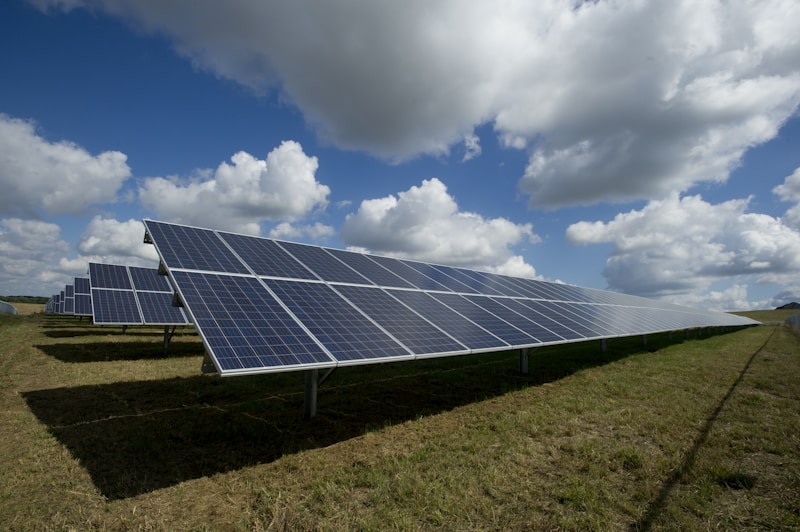
TLDR: South Carolina is a solar sleeper—most people don't realize it offers one of America's best incentive packages. The state's 25% tax credit has no cap, stacking directly with the 30% federal credit for 55% combined savings. Net metering is available in Duke Energy and Dominion territories. With good sunshine and moderate electricity rates, Palmetto State homeowners see 4-6 year payback periods. The federal credit expires December 31, 2025.
South Carolina's Hidden Solar Advantage
South Carolina doesn't get the solar attention of California or Arizona, but it should. The state's 25% uncapped tax credit is exceptionally generous—one of the best in the nation. Combined with the federal credit, homeowners save more than half the installation cost.
Michael and Patricia Johnson of Greenville installed solar in 2024. "We didn't know about the state credit until our installer mentioned it," Michael admits. "Our 9 kW system cost $27,000 gross. After federal and state credits, we paid $12,150 net. Savings of almost $15,000 in tax credits alone."
South Carolina receives 4.7-5.2 peak sun hours daily—plenty for excellent production—while electricity rates around $0.13-$0.15/kWh provide meaningful savings.
South Carolina Solar Costs in 2025
Current installation costs in South Carolina:
| System Size | Gross Cost | After All Credits | Annual Production |
|---|---|---|---|
| 6 kW | $15,600-$18,600 | $7,020-$8,370 | 7,800-8,580 kWh |
| 8 kW | $20,800-$24,800 | $9,360-$11,160 | 10,400-11,440 kWh |
| 10 kW | $26,000-$31,000 | $11,700-$13,950 | 13,000-14,300 kWh |
| 12 kW | $31,200-$37,200 | $14,040-$16,740 | 15,600-17,160 kWh |
Note: "After All Credits" reflects 30% federal + 25% state credits. Actual tax liability must support credit claims.
South Carolina's Exceptional Incentive Package
Federal Solar Investment Tax Credit (30%)
Reduces federal tax liability by 30% of total system cost. A $25,000 system saves $7,500 in federal taxes.
Critical deadline: The residential federal tax credit expires December 31, 2025. Combined with the state credit, this is your final window for 55% savings.
South Carolina State Tax Credit (25%)
The state offers an additional 25% tax credit on solar installations with no dollar cap. This is exceptionally generous—most state credits cap at $5,000-$6,000. In South Carolina, a $30,000 system earns $7,500 in state credits.
The credit can be carried forward for up to 10 years if your tax liability doesn't cover it in year one.
Net Metering
Duke Energy Carolinas and Dominion Energy offer net metering programs. Excess generation credits apply to future bills. Policies are utility-specific—confirm details with your installer for your territory.
Property Tax Exemption
South Carolina exempts solar installations from property tax increases. Your home value rises; your property taxes don't.
Utility-Specific Information
Duke Energy Carolinas
- Net metering available for systems up to 20 kW
- Credits at avoided cost rate
- Monthly carryover with annual true-up
- Straightforward interconnection process
Dominion Energy South Carolina
- Net metering available
- Credits at utility's avoided cost
- Annual true-up in March
- Residential systems up to 20 kW
Electric Cooperatives
Policies vary by cooperative. Many offer net metering or solar purchase agreements. Contact your specific co-op for details.
Real Homeowner Experiences
The Williams family, Charleston: "The 55% combined credits made this easy. Our 10 kW system cost $28,000 gross, $12,600 net after credits. We're producing more than we use—building credits for winter. Annual savings around $1,800."
Robert Chen, Columbia: "Living in Duke Energy territory, the avoided cost net metering isn't perfect. But my installer sized the system for my usage, minimizing excess. I offset 95% of my consumption. Between that and the tax credits, payback is under 5 years."
The Martins, Myrtle Beach: "Coastal installation required salt-rated equipment. My installer handled it. Two summers in, panels are performing great. Hurricane-rated mounts give peace of mind during storm season."
Coastal Considerations
South Carolina's Low Country and Grand Strand require attention:
Salt Air
Homes near the coast should use marine-grade panels and mounting hardware. Your installer should specify appropriate equipment for coastal environments.
Hurricane Season
Quality installations withstand hurricanes. Panels rated for 140+ mph winds are standard. Coastal installers know the requirements. Homeowner's insurance typically covers storm damage.
Flooding
Roof-mounted solar is above flood concerns. If considering ground-mount, assess flood risk for your property.
Financial Analysis: South Carolina Solar Returns
Running the numbers for a typical installation:
- System size: 8 kW
- Gross cost: $22,400
- Federal credit (30%): -$6,720
- State credit (25%): -$5,600
- Net cost: $10,080
- Annual production: 10,800 kWh
- Electricity offset at $0.14/kWh: $1,512/year
- Simple payback: 6.7 years
- 25-year savings: $37,800+ (including rate increases)
South Carolina's 55% combined credits create exceptional economics—among the best in the nation.
Tax Credit Planning
To capture both credits, you need sufficient tax liability:
- Federal credit requires federal income tax liability
- State credit requires South Carolina income tax liability
- Both credits can be carried forward if needed (federal indefinitely, state 10 years)
- Married couples filing jointly often have adequate liability
Consult a tax professional if you're unsure about your ability to use the credits.
Choosing a South Carolina Installer
South Carolina's growing solar market has qualified installers statewide:
- Licensing: Verify SC contractor and electrical licenses
- Experience: Look for 100+ South Carolina installations
- Utility familiarity: Choose installers experienced with your specific utility
- Coastal knowledge: For Low Country or Grand Strand, select installers who know marine requirements
- Reviews: Check Google, BBB, and EnergySage ratings
Get at least three quotes to compare pricing and equipment options.
Common Installation Challenges in South Carolina
South Carolina's geography and climate create specific installation considerations:
High Heat and Humidity
South Carolina summers are brutal—temperatures regularly exceed 95°F with high humidity. Panels lose efficiency in extreme heat, so production per panel may be lower than desert states. However, SC's moderate electricity rates and strong incentives compensate. Expect slight summer afternoon production dips during heat waves.
Hurricane Preparedness
The Low Country from Charleston to Hilton Head requires serious hurricane consideration. Quality installers use 140+ mph wind-rated mounting systems as standard. Specify marine-grade components for homes near the coast. Your installer should have experience with SC coastal installations.
Rural Property Access
Rural areas in the Upstate, Pee Dee, and Midlands may have limited installer access. Traveling from Columbia, Charleston, or Greenville adds costs. Get multiple quotes—some regional installers serve rural SC efficiently while others add significant travel charges.
Ground-Mount vs Roof-Mount in South Carolina
South Carolina properties often have space for ground-mount systems:
Ground-Mount Advantages in SC:
- Optimal south-facing orientation regardless of roof direction
- Better ventilation keeps panels cooler in summer heat
- Easier maintenance access in humid conditions
- No concerns about older rural home roof structures
Roof-Mount Advantages:
- Lower installation cost (no ground preparation)
- No yard space used—important for coastal lots
- Protected from flooding in low-lying areas
Rural properties in Aiken, Orangeburg, and Florence counties often choose ground-mount. Urban homes in Charleston, Columbia, and Greenville typically use roof-mount. For properties with complex terrain, a detailed site survey determines the most cost-effective approach.
More Homeowner Experiences
The Jacksons, Columbia: "The 55% combined tax credits were too good to pass up. Our 11 kW system cost $30,800 gross—$13,860 after both credits. We produce 14,500 kWh annually, more than covering our usage. First year savings were $2,030. Payback will be under 7 years, then 18+ years of free electricity."
Linda Morrison, Spartanburg: "Upstate SC gets good sun without the coastal hurricane concerns. Our 8 kW system was straightforward to install. Net cost after credits was $9,900. We're saving $1,350 per year. The state credit carryforward helped—we claimed it over two tax years due to our liability."
Frequently Asked Questions
Q: Can I really get 55% off solar installation?
A: Yes. The 30% federal credit and 25% uncapped state credit stack directly. You need sufficient tax liability to capture both, but the math works.
Q: What if my tax liability is low?
A: Both credits can be carried forward. Federal credit carries indefinitely. State credit carries for 10 years. You'll capture the value eventually.
Q: Is Duke's avoided cost net metering a problem?
A: It's less generous than full retail, but the tax credits more than compensate. Size your system for self-consumption to minimize excess export.
Q: How long does installation take?
A: Typical timeline is 8-12 weeks from contract to operational. Permitting varies by county.
Q: How do I claim the SC state tax credit?
A: File SC Form TC-38 with your state return. Your installer should provide the documentation needed. The credit can be claimed over multiple years if your liability is insufficient in year one.
Q: Does South Carolina have solar-friendly HOA laws?
A: South Carolina has limited HOA solar protections. HOAs can still impose some restrictions, though outright bans are increasingly rare. Communicate with your HOA early in the process to understand any requirements.
Battery Storage: Growing Essential for Coastal South Carolina
Let me be straight with you—if you're in the Low Country or Grand Strand, battery backup isn't just nice to have. After Hurricane Hugo, Floyd, Florence, and the near-misses since, more South Carolina homeowners are taking energy resilience seriously.
Why Batteries Make Sense in SC
Hurricane season runs June through November, and South Carolina's coast is vulnerable. Extended power outages lasting days or even weeks aren't hypothetical—they happen. A battery backup keeps your refrigerator running, your phone charged, and if you have a gas stove, you can still cook. Many coastal homeowners are adding batteries specifically for peace of mind during storm season.
Battery Options and Costs for South Carolina
| Battery System | Capacity | Installed Cost | After 30% Credit |
|---|---|---|---|
| Tesla Powerwall 3 | 13.5 kWh | $11,000-$13,500 | $7,700-$9,450 |
| Enphase IQ Battery 5P | 5-15 kWh | $5,500-$14,500 | $3,850-$10,150 |
| Generac PWRcell | 9-18 kWh | $11,500-$19,500 | $8,050-$13,650 |
| Sonnen Eco | 10-20 kWh | $12,000-$24,000 | $8,400-$16,800 |
For essential backup (refrigerator, lights, phones, internet), one 13-15 kWh battery works. If you want to run AC during a summer outage—and in South Carolina's August heat, you probably do—you'll need two batteries or larger capacity.
Installation Timeline: What South Carolina Homeowners Can Expect
Here's a realistic breakdown for going solar in the Palmetto State:
Weeks 1-2: Site Assessment and Design
Your installer visits, assesses your roof or ground-mount area, and evaluates shading. They'll check your electrical panel (100-amp panels may need upgrading) and review your Duke Energy or Dominion bills. Coastal assessments include wind load and salt exposure evaluation. You'll receive a detailed proposal with production estimates and financing options.
Weeks 3-5: Permitting
Permitting timelines vary across South Carolina's 46 counties. Greenville and Charleston have streamlined processes—expect 2-3 weeks. Rural counties may take longer. Coastal areas like Horry County (Myrtle Beach) have additional wind load requirements that can add a few days.
Weeks 6-7: Installation
Physical installation takes 1-2 days for roof-mount, 3-4 days for ground-mount. South Carolina's climate means few weather delays except during active hurricane season. Coastal installations require hurricane-rated mounting—your installer handles this automatically.
Weeks 8-10: Inspection and Interconnection
County electrical inspection first, then utility interconnection. Duke Energy typically completes interconnection in 3-4 weeks. Dominion is similar. Once you receive "permission to operate," your system goes live and starts generating savings.
Total: 8-12 weeks from contract to power-on. To complete before December 31, 2025 and capture the 55% combined tax credits, sign your contract by mid-September 2025 at the latest.
More South Carolina Homeowner Experiences
Bill and Wendy Taylor, Mount Pleasant: "We evacuated for three hurricanes in five years and came home to spoiled refrigerators each time. When we went solar, we added two Powerwalls. Now we can ride out a Category 2 storm at home with our essentials running. The 55% combined credits made the whole thing affordable—$28,500 gross for solar and batteries, $12,825 net after credits. We're saving $1,800 per year on electricity, and the peace of mind during hurricane season is priceless."
Patricia Andrews, Anderson: "Upstate SC doesn't have hurricane worries, but we get good sun. My 7 kW system cost $18,200 before credits—$8,190 after both federal and state credits. I'm saving $1,450 per year. Payback is 5.6 years. I'm a retired teacher on a fixed income, and locking in my electricity costs for 25 years gives me real financial security."
The Nguyens, North Charleston: "We're a family of five with high electricity usage—$280/month average. Our 11 kW system cost $31,500 gross, $14,175 net after the 55% combined credits. We're producing 14,800 kWh annually, more than covering our usage. First year savings were $3,360. Payback will be just over 4 years. After that? Free electricity for decades."
Take Action Before December 31, 2025
The federal 30% tax credit expires at the end of 2025. Combined with South Carolina's 25% credit, this creates a limited window for 55% savings—unlikely to be matched again.
Timeline for 2025 installation:
- Get quotes: Now through summer 2025
- Sign contract: By September 2025
- Permitting and installation: 8-12 weeks
- Operational: Before December 31, 2025
South Carolina's combination of excellent state incentives, good sunshine, and reasonable costs makes it one of America's best solar markets. The 55% combined tax credits won't last forever. Get your quotes today and capture maximum savings in the Palmetto State.