Solar Panel Maintenance: What You Need to Know
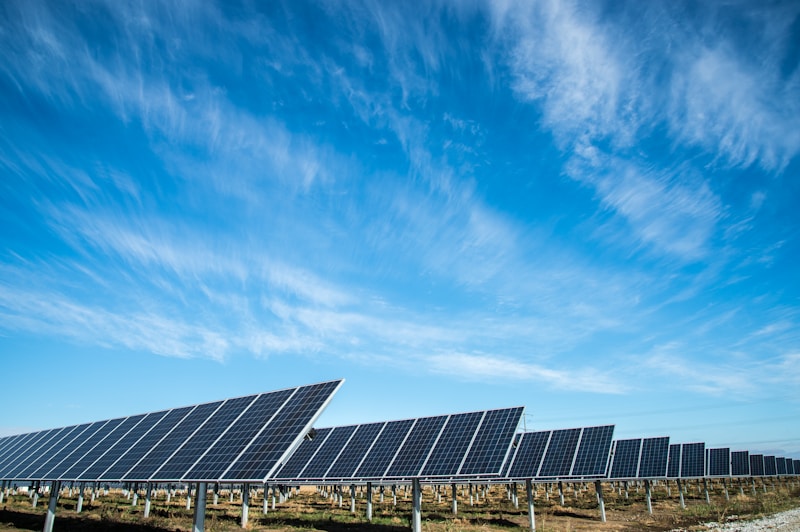
Reminder: 30% Federal Tax Credit Expires December 31, 2025
If you're still considering solar, remember that the 30% federal tax credit expires for residential installations at the end of 2025. Maintenance is minimal—but getting the tax credit requires acting now.
One of the best things about solar panels? They just sit there and work. No moving parts. No filters to change. No regular service appointments.
But "almost no maintenance" isn't "zero maintenance." Here's what you actually need to do.
The Short Version
For most homeowners, maintenance means:
- Check your monitoring app occasionally to make sure production looks normal
- Get panels cleaned if they get seriously dirty (rare in most climates)
- Have an electrician check the system every 5-10 years
That's genuinely it. Solar panels are remarkably low-maintenance.
Monitoring Your System
Every modern solar installation includes monitoring. You get an app showing real-time production, daily output, and historical data.
Check it periodically—weekly at first, then monthly once you know what's normal. You're looking for:
- Production roughly matching expectations for the season
- No sudden drops that don't match weather
- No error messages or alerts
If you see a sudden production drop on a sunny day, something's wrong. Could be an inverter issue, a tripped breaker, or a connection problem. Contact your installer.
Gradual decline over years is normal. Panels degrade about 0.5% annually. After 20 years, you might be at 90% of original output. That's expected.
Cleaning: Usually Unnecessary
Rain handles most cleaning. Dust, pollen, and light debris wash away with normal rainfall.
Exceptions:
Bird droppings: If birds love your roof, droppings can accumulate and create shading spots. These need removal because they can cause localized hotspots.
Heavy pollen seasons: In some areas, spring pollen builds up faster than rain removes it. A few weeks of reduced production usually resolves itself.
Desert climates: Little rain means dust accumulates. Annual cleaning might boost output 2-5%.
Wildfire smoke: Ash deposits require cleaning. It doesn't wash off easily and can significantly reduce output.
How to Clean Panels
If cleaning is needed:
- Use a garden hose from ground level if possible
- Clean early morning or late afternoon when panels are cool
- Avoid cold water on hot panels (thermal shock risk)
- Never use abrasive cleaners or pressure washers
- Soft brush and plain water works for stubborn spots
For most people, hiring a window cleaning service with solar experience is easier and safer than climbing on the roof. Expect $100-$300 per cleaning depending on system size and roof access.
Snow: Let It Melt
Snow on panels blocks production. But attempting to remove it risks damaging panels or injuring yourself.
Panels are installed at an angle. Snow slides off when it melts partially. The dark panel surface absorbs what sunlight penetrates, accelerating melting.
In most cases, leave snow alone. The few days of lost production cost less than panel damage or an ER visit.
If you live somewhere with frequent heavy snow, some installers offer heated edge clips or steeper mounting angles to help shedding. Worth discussing during installation.
Tree Trimming
Trees grow. A branch that didn't shade your panels five years ago might shade them now.
Shading one cell affects the entire string of panels in older systems. Modern systems with optimizers or microinverters handle partial shade better but still lose output.
Walk around your property in different seasons and note any new shadows. Get trees trimmed before they become a production problem.
Inverter Maintenance
Inverters typically last 12-15 years—shorter than the 25-year panel lifespan. Plan for one inverter replacement during your system's life.
Signs of inverter problems:
- Production drops that don't match weather
- Error codes or lights on the inverter
- Unusual sounds (humming is normal; clicking, buzzing, or rattling isn't)
- Complete production stoppage
Most inverters display status on a screen or LED. Green usually means good. Yellow or red means check the manufacturer's guide or call your installer.
Professional Inspections
Every 5-10 years, consider having an electrician or solar professional inspect your system:
- Check electrical connections for corrosion or loosening
- Inspect mounting hardware
- Look for any physical damage to panels
- Test system performance against expected output
- Check roof condition around mounting points
Cost: $150-$350 for a thorough inspection. Worth it for the peace of mind, especially before your warranty expires.
Warranty Claims
If something fails, your warranty should cover it. But you need to act:
- Document the problem (photos, monitoring data showing production drop)
- Contact your installer first—they usually handle warranty claims
- If installer is unresponsive, contact the manufacturer directly
- Keep records of all communication
Most panel warranties cover both defects and minimum performance. If your panels degrade faster than promised, you have a claim.
The Bottom Line
Solar maintenance is minimal. Check your monitoring regularly. Clean panels if they get dirty. Get a professional inspection every several years.
The simplicity is a feature, not a bug. Set it, monitor it occasionally, and let it generate clean electricity for decades.
Creating a Maintenance Schedule
While solar panels require minimal attention, having a schedule ensures nothing gets overlooked:
Weekly: Quick glance at your monitoring app. Is production roughly what you'd expect for the weather? Any error messages? Takes 30 seconds.
Monthly: Compare production to the previous month and same month last year. Look for unexpected trends.
Annually: Walk around your property and check for new shading from tree growth. Look at your panels from ground level for any visible issues. Consider professional cleaning if you're in a dusty or pollen-heavy area.
Every 5 years: Schedule a professional inspection. Have an electrician check connections, mounting hardware, and overall system health. Cost: $150-$350. Worth it for peace of mind.
Year 10-15: Your inverter may need replacement. Budget $1,000-$2,500 depending on type. This is the main expected maintenance cost over your system's lifetime.
Troubleshooting Common Issues
Most problems have simple explanations:
Production dropped suddenly: Check your breaker panel—solar breaker might have tripped. Check your inverter for error codes. Check monitoring for individual panel performance (if microinverters). Call your installer if you can't identify the cause.
Production lower than expected overall: Could be new shading, dirty panels, or equipment degradation. Get a professional assessment if cleaning doesn't help.
Inverter error codes: Consult your inverter's manual or app. Some errors are temporary (grid fluctuation) and clear themselves. Persistent errors need professional attention.
Physical damage visible: Don't try to repair panels yourself. Contact your installer. Most damage is covered under warranty if not caused by homeowner negligence.
The vast majority of solar system issues are minor and easily resolved. Major failures are rare with quality equipment properly installed. Your biggest maintenance responsibility is simply paying attention—checking that everything works as expected and acting quickly when it doesn't.
Seasonal Considerations
Each season brings different maintenance considerations:
Spring
Pollen season can coat panels, especially in the South. Watch for yellow buildup and consider cleaning if production drops noticeably. This is also a good time to check for any winter damage—look for cracked panels, loose mounting, or debris accumulation.
Summer
Peak production season. Monitor closely to ensure you're hitting expected output. Heat reduces efficiency slightly, so expect afternoon dips on very hot days. This is normal, not a problem.
Fall
Falling leaves can accumulate, especially on low-pitched roofs. Most blow off naturally, but persistent piles need removal. Check tree growth—branches that were fine last year might cast new shadows.
Winter
Snow blocks production temporarily but usually slides off. Production will be lower due to shorter days and lower sun angle. This is expected, not a malfunction. Watch for ice dams near panel mounting points that could indicate water intrusion.
When to Call a Professional
Handle these yourself:
- Monitoring system performance
- Tripped breakers (reset once, call if it trips again)
- Ground-level visual inspection
- Scheduling professional service
Call a professional for:
- Any work requiring roof access
- Persistent inverter errors
- Production significantly below expected
- Physical damage to panels or mounting
- Water intrusion concerns
- Electrical issues beyond breaker resets
Never attempt electrical work or panel handling yourself. Solar systems produce DC voltage that can be dangerous. Professional service costs are minimal compared to injury or system damage risk.
Long-Term Performance Expectations
Set realistic expectations for system performance over time:
Year 1: Learn your system's patterns. Note production on sunny days, cloudy days, and across seasons. This baseline helps identify problems later.
Years 2-10: Minimal degradation. Expect 0.5% annual output decline on average. A system producing 10,000 kWh in year one should produce about 9,550 kWh in year 10. Barely noticeable.
Years 10-15: Your inverter may need replacement. Budget $1,000-$2,500. This is the one significant maintenance expense during the system lifetime.
Years 15-25: Continued gradual degradation. At year 25, expect 85-90% of original output. Still producing substantial electricity, still saving significant money.
Beyond 25: Many systems continue operating past their warranty period. Production will be lower, but panels don't suddenly stop working. They just gradually produce less over time.
Solar maintenance is genuinely minimal. The technology is reliable, warranties are long, and most systems quietly produce clean electricity for decades with almost no attention required. That simplicity is one of the strongest arguments for solar—set it up correctly once, and it largely takes care of itself.