Solar Panel Installation: What to Expect From Quote to Power-On
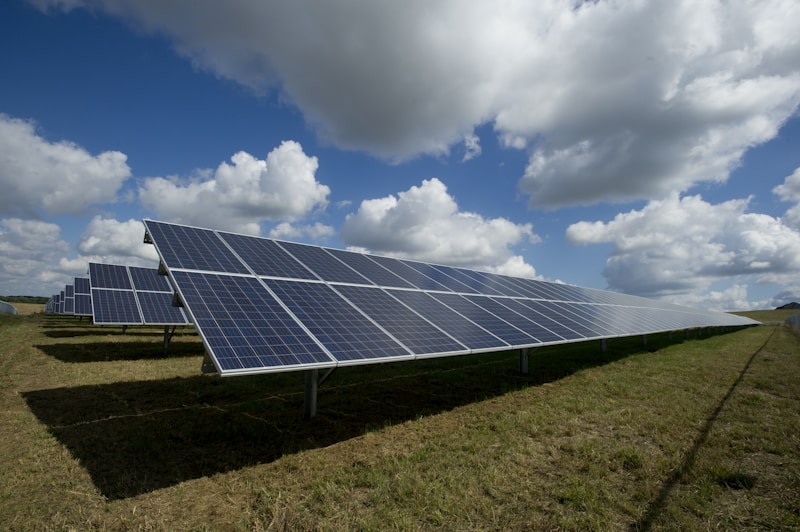
TLDR: From signing your contract to flipping the switch takes 2-4 months. The roof work itself is just 1-3 days. The rest is paperwork: permits (2-4 weeks), installation scheduling (1-2 weeks), inspection (1 week), utility approval (2-4 weeks).
The Complete Installation Timeline
Week 1-2: Site Assessment and Design
After you sign a contract, your installer will:
- Review your utility bills to size the system
- Analyze your roof using satellite imagery and/or site visit
- Create a custom system design
- Submit permit applications to your local building department
What you'll do: Provide 12 months of utility bills, sign interconnection agreements, review the final design.
Week 3-6: Permitting
This is usually the longest wait. Permit approval times vary wildly:
- Fast jurisdictions: 3-5 business days
- Average jurisdictions: 2-3 weeks
- Slow jurisdictions: 4-8 weeks
Some cities have streamlined "SolarAPP+" permitting that approves permits same-day. Ask your installer if your area participates.
Week 7-8: Installation Scheduling
Once permits are approved, your installer schedules the work. Busy season (spring/summer) may mean 2-4 week waits. Off-season (fall/winter) is often faster.
Installation Day(s): The Actual Work
A typical residential installation takes 1-3 days:
Day 1:
- Crew arrives (usually 3-5 people)
- Set up safety equipment
- Install mounting rails on roof
- Run electrical conduit
- Mount inverter and electrical equipment
Day 2:
- Install solar panels on rails
- Complete wiring
- Install monitoring system
- Clean up
Complex roofs or battery installations may take a third day.
Week 9: Inspection
Your local building department sends an inspector to verify the installation meets code. This typically happens within 1-2 weeks of completion. Inspectors check:
- Electrical connections and grounding
- Mounting attachment to roof
- Equipment labeling and safety disconnects
- Compliance with permit drawings
Pass rate is high (95%+) for reputable installers. Failed inspections add 1-2 weeks for corrections.
Week 10-12: Utility Approval and PTO
PTO = Permission to Operate. Your utility must approve your system before you can turn it on and get net metering credits.
Timeline varies by utility:
- Fast utilities: 3-5 business days
- Average utilities: 2-3 weeks
- Slow utilities: 4-6 weeks
Your installer handles all paperwork. You wait.
Power On!
Once PTO is granted, your installer activates the system. You download the monitoring app and start watching your panels produce.
What Happens on Installation Day
Here's what to expect:
Before the crew arrives:
- Clear driveway access for trucks and equipment
- Ensure attic access if needed for electrical runs
- Secure pets inside
During installation:
- Power may be shut off briefly (30 min to 2 hours) for electrical connections
- Expect noise from drills and walking on roof
- Crew will have questions about attic access, electrical panel location
After installation:
- Walkthrough of equipment and monitoring system
- Documentation and warranty information
- System will NOT be turned on yet (awaiting inspection and PTO)
Q&A: Installation Questions
Q: Will installation damage my roof?
A: Properly installed solar shouldn't cause leaks. Installers use flashed mounting points that seal better than the original shingles. Warranties typically cover roof penetration issues. If your roof needs replacement within 5 years, do that first.
Q: How do I prepare for installation?
A: Clear the driveway, trim any branches blocking roof access, ensure electrical panel is accessible, have someone home to answer questions. That's about it.
Q: What if it rains on installation day?
A: Installers reschedule for rain. Light drizzle might be okay for some work, but wet roofs are safety hazards. Expect delays during rainy seasons.
Q: Can I watch the installation?
A: Yes, but stay out of the work zone. Ask questions during breaks. Most crews are happy to explain what they're doing.
Q: What about my HOA?
A: Most states have "solar access laws" preventing HOAs from banning solar. They may have aesthetic guidelines (black frames, specific placement). Your installer should know local requirements and can help with HOA approvals.
Red Flags to Watch For
- No site visit: Satellite-only design is fine, but complex roofs need in-person assessment
- Rushing to sign: "This price expires today" is a sales tactic, not reality
- Full payment upfront: Standard is 10-25% deposit, balance at completion
- Unlicensed workers: Ask for contractor license numbers
- No permit pulled: Unpermitted installations create problems at home sale
The Bottom Line
Solar installation is straightforward but takes time. Budget 2-4 months from contract to power-on. The actual disruption to your life is minimal—just a few days of work on your roof.
The federal tax credit expires for residential solar December 31, 2025. Working backward: sign by September 2025 to ensure completion before the deadline.
Timeline Strategies for the 2025 Tax Credit Deadline
With the residential 30% federal tax credit expiring December 31, 2025, timing matters more than ever:
Start Early in 2025
Don't wait until summer to get quotes. Begin the process in January-March 2025. This gives you buffer time for delays, permitting issues, or scheduling conflicts.
Avoid the Fall Rush
Many homeowners will wait until late 2025 to act. Installer capacity will be strained in September-November. Permits will take longer. Equipment availability may tighten. Beat the rush by signing your contract by July 2025.
Have a Backup Plan
If your preferred installer has a 3-month backlog, have a second option ready. Some flexibility on panel brand or design can speed up installation when time is tight.
Document Everything for Your Tax Return
Keep copies of your contract, invoices, permit approval, inspection certificate, and utility interconnection agreement. You'll need these when claiming the tax credit on your 2025 return.
After Installation: First Month Expectations
Once your system is operating:
Week 1: Monitor daily production. Learn what sunny days versus cloudy days look like. Check that monitoring is working and accurate.
Week 2-3: Compare production to your installer's projections. Minor variations are normal. Production significantly below projections warrants a call.
Week 4: Review your first utility bill with solar. Understand how net metering credits appear. Note any questions for your installer.
Troubleshooting Early Issues
Most installations go smoothly, but watch for:
- No production showing: Check breakers, verify monitoring connectivity, contact installer
- Production much lower than expected: Check for new shading, verify all panels are online, request performance check
- Error codes on inverter: Note the code, check your app or manual, contact installer if persistent
- Unusual noises: Minor buzzing from inverter is normal. Crackling or clicking sounds need investigation
Reputable installers include some level of post-installation support. Use it—that's what warranties are for.
The 2025 Deadline Reality Check
The December 31, 2025 deadline for the 30% residential solar tax credit is real. To qualify, your system must be operational by that date.
Working backward:
- December installation means November scheduling, October permits, September contract
- Any delays push you past the deadline
- Missing by one week costs you 30% of your system's value in lost credits
Start the process early. There's no penalty for getting solar installed in May instead of December, but there's a huge penalty for missing the deadline.
Questions to Ask Your Installer Before Signing
Use these questions to vet potential installers:
- How long have you been installing solar in this area?
- What's your average timeline from contract to power-on?
- Who handles permit applications and utility interconnection?
- What happens if the inspection fails?
- Who do I contact if I have issues after installation?
- What warranties cover the system and installation work?
- Do you use subcontractors or your own crews?
- Can I see references from recent customers?
Good installers answer these questions confidently and provide documentation. Evasive answers are a red flag.
Handling Installation Delays
Delays happen. Here's how to manage them:
Permit Delays
If permits take longer than expected, your installer should be proactive about following up with the building department. Ask for updates weekly. Consider calling the permit office yourself if progress stalls.
Equipment Delays
Supply chain issues can affect panel or inverter availability. Ask your installer about backup equipment options. Being flexible on brands can avoid delays.
Weather Delays
Rain, snow, or extreme temperatures can postpone roof work. These are unavoidable. Your installer should reschedule promptly when weather clears.
Utility Delays
PTO (Permission to Operate) timelines vary by utility. Some take weeks. Your installer can often expedite by maintaining relationships with utility contacts. Ask about typical PTO times for your utility.
Communicate regularly with your installer. Delays are frustrating, but good communication helps manage expectations and keeps projects moving forward.
Long-Term Care After Installation
Solar systems require minimal maintenance, but some attention helps ensure 25+ years of reliable operation:
Annual Visual Inspection
Once a year, do a visual check. Look for debris on panels, damage from storms, visible wiring issues, or animal nests near equipment. Most issues are obvious when you look.
Monitoring Production
Check your monitoring app monthly. Production varies with weather and seasons, but sudden drops indicate problems. Compare year-over-year to track long-term trends.
Panel Cleaning
Most panels self-clean with rain. Heavy pollen, bird droppings, or dust accumulation may require occasional cleaning. Use a garden hose and soft brush. Never use abrasive cleaners or pressure washers.
Solar installation is a straightforward process with a predictable timeline. Understanding what to expect reduces stress and helps you plan effectively. Start early, choose a reputable installer, and you'll be generating clean energy for decades.