Rhode Island Solar Panel Guide 2025: REF Program, Net Metering & Complete Incentive Guide
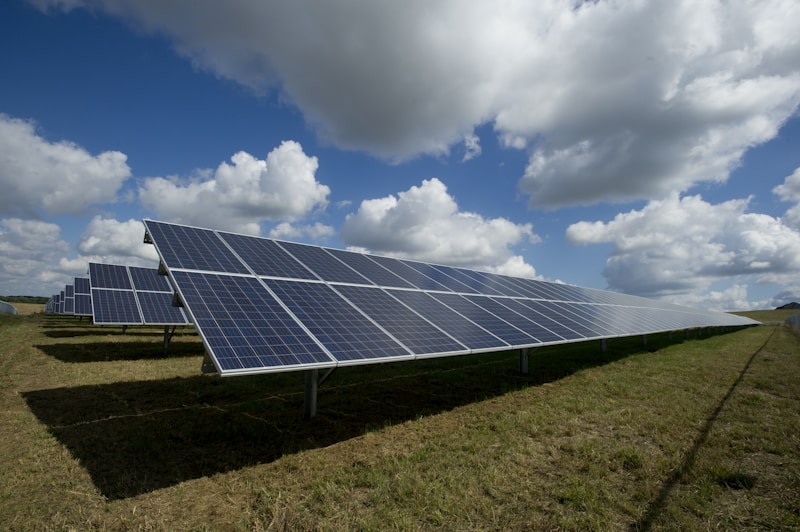
TLDR: Rhode Island punches above its weight in solar incentives. The Renewable Energy Fund provides upfront rebates of $0.55-$0.85 per watt. Full retail net metering ensures every exported kilowatt-hour has value. High electricity rates ($0.25/kWh average) mean significant savings. Stack the 30% federal credit (expiring December 31, 2025), and Ocean State homeowners see 4-6 year payback periods.
Why Tiny Rhode Island is a Solar Powerhouse
Rhode Island may be America's smallest state, but its solar ambitions are outsized. The state has committed to 100% renewable electricity by 2033—one of the most aggressive targets in the nation. That commitment shows in generous incentive programs that make solar extremely attractive.
David and Michelle Costa of Warwick installed solar in 2024. "Between the REF rebate, federal credit, and net metering, our 7 kW system cost $9,500 net," David explains. "We were paying $225/month for electricity. Now it's essentially zero. Payback will be under 5 years."
Rhode Island's high electricity rates are actually a benefit for solar—every kilowatt-hour produced saves more money than in low-rate states.
Rhode Island Solar Costs in 2025
Current installation costs in Rhode Island:
| System Size | Gross Cost | After All Incentives | Annual Production |
|---|---|---|---|
| 5 kW | $14,000-$16,500 | $6,800-$8,400 | 5,750-6,250 kWh |
| 7 kW | $19,600-$23,100 | $9,500-$12,000 | 8,050-8,750 kWh |
| 9 kW | $25,200-$29,700 | $12,200-$15,500 | 10,350-11,250 kWh |
| 11 kW | $30,800-$36,300 | $15,000-$19,000 | 12,650-13,750 kWh |
Note: "After All Incentives" includes REF rebate and federal credit. Actual savings vary by REF funding availability.
Rhode Island's Excellent Incentive Package
Federal Solar Investment Tax Credit (30%)
Reduces federal tax liability by 30% of total system cost. A $22,000 system saves $6,600 in federal taxes.
Critical deadline: The residential federal tax credit expires December 31, 2025. This is your final window for maximum savings.
Renewable Energy Fund (REF) Rebates
Rhode Island's REF provides upfront rebates for residential solar:
- Current rates: $0.55-$0.85 per watt
- Maximum rebate: Approximately $5,000-$7,500
- Applied directly to installation cost
- Funding is competitive—availability varies
For a 7 kW system, that's $3,850-$5,950 off the installation price, applied before the federal credit.
Net Metering
Rhode Island mandates full retail rate net metering. Export excess electricity and receive credits at the same rate you pay—currently around $0.25/kWh. Credits roll over month-to-month indefinitely.
Property Tax Exemption
Solar installations are exempt from property tax increases. Your home value goes up; your taxes don't.
Sales Tax Exemption
Solar equipment is exempt from Rhode Island's 7% sales tax. On a $22,000 system, that's $1,540 in savings.
Real Homeowner Experiences
The Ferreiras, Providence: "We got the REF rebate at $0.75/watt—$6,000 off our 8 kW system. Federal credit added another $5,400. Our net cost was $12,600. Electric bill went from $250/month to basically zero. Payback under 5 years."
Susan O'Malley, Newport: "Living near the coast, I wondered about salt air. My installer used panels rated for marine environments. Two years in, no issues. The ocean breeze keeps panels cool in summer—helps efficiency."
The Pham family, Cranston: "We added a Tesla Powerwall with our solar. Rhode Island doesn't get many outages, but during the big nor'easter last winter, we had power when neighbors didn't. Worth every penny."
Coastal and Island Considerations
Rhode Island's coastal location requires attention:
Salt Air
Homes within a few miles of the ocean should use panels and mounting systems rated for coastal environments. Your installer should specify marine-grade components. Minimal maintenance required—occasional cleaning if salt buildup occurs.
Hurricane Season
Quality installations withstand hurricane-force winds. Panels are rated for 140+ mph. Coastal Rhode Island installers know the requirements. Insurance typically covers storm damage.
Aquidneck Island and Block Island
Island installations may have additional considerations. Contractor access, permitting timelines, and interconnection can vary. Plan extra lead time for island projects.
Financial Analysis: Rhode Island Solar Returns
Running the numbers for a typical installation:
- System size: 7 kW
- Gross cost: $21,000
- REF rebate ($0.70/watt): -$4,900
- Federal credit (30% of remaining): -$4,830
- Net cost: $11,270
- Annual production: 8,400 kWh
- Electricity offset at $0.25/kWh: $2,100/year
- Simple payback: 5.4 years
- 25-year savings: $52,500+ (including rate increases)
Rhode Island's stacked incentives and high electricity rates create exceptional solar economics.
REF Application Tips
The Renewable Energy Fund has limited funding that can run out:
- Apply early—funding is first-come, first-served
- Have your installer submit the application promptly
- Monitor REF website for funding availability
- If funding is exhausted, check for next funding cycle
Even without REF, Rhode Island solar remains attractive due to high rates and net metering.
Choosing a Rhode Island Installer
Rhode Island's compact size means installers serve the entire state:
- Licensing: Verify RI contractor and electrical licenses
- REF experience: Choose installers familiar with REF application process
- Coastal experience: For near-ocean homes, select installers who know marine-grade requirements
- Local presence: Prefer companies with RI offices for warranty service
- Reviews: Check Google, BBB, and EnergySage ratings
Get at least three quotes. The competitive market supports good pricing.
Common Installation Challenges in Rhode Island
Rhode Island's compact size and coastal location create specific considerations:
Older Colonial Home Structures
Many Rhode Island homes in Providence, Pawtucket, and East Providence date to the 1700s and 1800s. Older roof framing may need structural assessment or reinforcement before solar installation. Budget $500-$2,000 for potential structural work on historic homes.
Dense Urban Spacing
In urban areas, homes are close together. Shadow analysis is critical—a neighbor's chimney or tree can significantly impact production. Quality installers in Central Falls, Woonsocket, and Warwick areas are experienced with dense-lot assessments.
Coastal Salt Exposure
Homes in Narragansett, Westerly, and along the bay require marine-grade equipment. Salt air accelerates corrosion on standard components. Specify stainless steel mounting hardware and salt-resistant panels—adds $500-$1,000 but extends system life by years.
Local Utility-Specific Programs
National Grid (Primary RI Utility)
National Grid serves most of Rhode Island. Their net metering program offers full retail credits ($0.24-$0.26/kWh) with indefinite monthly rollover. Interconnection is relatively streamlined—expect 3-4 weeks after installation for utility approval.
Block Island Power Company
Block Island has its own utility with unique policies. Solar on Block Island requires specific interconnection agreements. The island's high rates make solar attractive despite additional complexity.
Pascoag Utility District
Serving Burrillville area with its own net metering policies. Rates and terms differ from National Grid—confirm details before committing.
Ground-Mount vs Roof-Mount in Rhode Island
Rhode Island's smaller lot sizes make roof-mount dominant, but ground-mount works on some properties:
When Ground-Mount Makes Sense:
- Rural areas of Exeter, West Greenwich, and Foster with larger lots
- Historic homes where roof appearance is a concern
- Properties with suboptimal roof orientation
Ground-Mount Challenges in RI:
- Limited yard space in urban areas
- Higher permitting complexity in some towns
- Setback requirements reduce usable area
Most Rhode Island installations are roof-mount due to lot size constraints. For larger rural properties, ground-mount adds $3,000-$5,000 but provides optimal orientation and easier maintenance access.
Additional Homeowner Experiences
The Santos family, East Greenwich: "We secured the REF rebate at $0.70/watt—$5,600 off our 8 kW system. After the federal credit, net cost was $11,200. Our electric bill dropped from $235/month to essentially zero. We're producing slightly more than we use—building credits for winter months. Payback will be under 5 years."
Mike Sullivan, Narragansett: "Coastal solar worried me—I'm three blocks from the beach. My installer used stainless steel rails and marine-rated panels. Three years in, zero corrosion issues. The sea breeze actually keeps panels cooler in summer, boosting efficiency. Annual production exceeds projections. I should have done this years ago—Rhode Island's incentives make it a no-brainer for coastal homeowners like me."
Frequently Asked Questions
Q: What if REF funding is exhausted?
A: Solar still makes sense with just the federal credit and net metering. REF funding cycles refresh—your installer can advise on timing.
Q: Is Rhode Island too small for many installers?
A: Actually beneficial—installers serve the whole state efficiently. Competition is strong, and many experienced installers operate here.
Q: What about community solar?
A: Rhode Island has community solar programs for homes with unsuitable roofs. Subscribe to a local solar farm and receive bill credits.
Q: How long does installation take?
A: Typical timeline is 8-12 weeks from contract to operational. Permitting varies by municipality.
Q: Are there any RI-specific solar financing programs?
A: Rhode Island Energy offers on-bill financing options for some customers. Property Assessed Clean Energy (PACE) financing is also available, allowing repayment through property taxes. Both can help with upfront cost concerns.
Q: How does Rhode Island's 100% renewable by 2033 goal affect solar?
A: The state's aggressive renewable targets mean continued policy support for solar. Current incentives are designed to help meet this goal. While future policies aren't guaranteed, the trend suggests ongoing solar-friendly environment.
Battery Storage: Perfect Pairing for Rhode Island Solar
Rhode Island may not have the outage issues of some states, but battery storage is becoming increasingly popular—and for good reason. Let me explain why.
Why Batteries Make Sense in RI
Nor'easters and tropical storm remnants occasionally knock out power in Rhode Island. When it happens, having a battery backup means you're not scrambling for flashlights and ice for the freezer. More importantly, batteries let you maximize self-consumption of your solar power, storing daytime production for evening use instead of exporting to the grid.
Battery Options and Costs for Rhode Island
| Battery System | Capacity | Installed Cost | After 30% Credit |
|---|---|---|---|
| Tesla Powerwall 3 | 13.5 kWh | $12,000-$14,500 | $8,400-$10,150 |
| Enphase IQ Battery 5P | 5-15 kWh | $6,000-$15,000 | $4,200-$10,500 |
| Generac PWRcell | 9-18 kWh | $12,000-$20,000 | $8,400-$14,000 |
| SunPower SunVault | 13-26 kWh | $13,000-$22,000 | $9,100-$15,400 |
For typical Rhode Island homes, one 13-15 kWh battery handles essential backup during outages. Coastal homes in Narragansett, Westerly, or Block Island may want larger capacity for extended hurricane-season storms.
Installation Timeline: What Rhode Island Homeowners Can Expect
Here's a realistic week-by-week breakdown for going solar in the Ocean State:
Weeks 1-2: Site Assessment and Design
Your installer visits your home, measures the roof, checks your electrical panel, and analyzes shading from trees or neighboring buildings. They'll pull your National Grid bills to size the system right. You'll receive a detailed proposal with equipment specs, production estimates, and financing options. In dense Providence neighborhoods, shade analysis is particularly important.
Weeks 3-4: REF Application and Permitting
This is critical—your installer should submit your REF application immediately after signing. Funding is competitive, so timing matters. Simultaneously, they submit permit applications to your town. Most Rhode Island municipalities approve in 2-3 weeks. Providence has an efficient online process; smaller towns vary.
Weeks 5-6: Installation
Physical installation takes 1-2 days for most roof-mount systems. Rhode Island's mild climate means few weather delays. Your installer mounts the racking, attaches panels, installs the inverter, and connects everything to your electrical panel.
Weeks 7-8: Inspection and Interconnection
Town electrical inspection comes first, then National Grid interconnection approval. National Grid typically completes interconnection in 3-4 weeks. Once you receive "permission to operate," you're generating.
Total: 7-10 weeks from contract to power-on. To complete before December 31, 2025, sign your contract by mid-September 2025 at the latest. Apply for REF funding early—it can run out!
More Rhode Island Homeowner Experiences
Tony and Angela Ricci, Johnston: "We're Italian—we love a good deal. Between the REF rebate and federal credit, we saved 48% on our 7 kW system. Net cost was $11,400. Our electric bill dropped from $195/month to about $15 in grid fees. We're saving $2,160 per year. Payback is 5.3 years, then we're making money for the next 20. My only regret? Not doing this five years ago."
Emily Chen, East Providence: "I work from home, so my electricity usage is high—lots of computer equipment and AC running all day. My 9 kW system produces about 11,800 kWh annually. I'm covering all my usage and building credits for winter. The REF rebate was $5,850, and the federal credit saved another $5,100. My net cost was $14,050, and I'm saving $2,950 per year. The math was a no-brainer."
The Martins, Middletown: "Aquidneck Island gets great coastal sun. We were worried about salt air, but our installer used marine-grade everything. Three years in, zero issues. Our 8 kW system produces 10,400 kWh per year—more than we use. The excess builds credits for when we run the AC in August. Our electric bill is essentially zero now."
Take Action Before December 31, 2025
The federal 30% tax credit expires at the end of 2025. Combined with REF rebates, 2025 offers maximum savings—potentially 45-50% off installation costs.
Timeline for 2025 installation:
- Get quotes: Now through summer 2025
- Apply for REF: As soon as possible (funding is limited)
- Sign contract: By September 2025
- Permitting and installation: 8-12 weeks
- Operational: Before December 31, 2025
Rhode Island's aggressive clean energy goals translate to excellent solar incentives. The Ocean State offers high electricity rates (maximizing savings), strong rebates, and full retail net metering. Get your quotes today and join Rhode Island's renewable energy future.