North Dakota Solar Panel Guide 2025: Prairie State Solar Economics
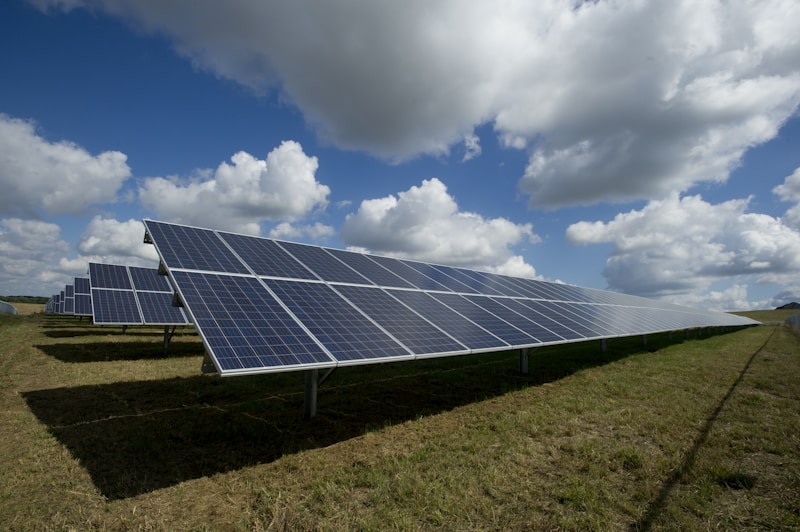
TLDR: North Dakota offers surprising solar potential—4.5-5.0 peak sun hours daily despite the northern latitude. Low electricity rates ($0.10-$0.12/kWh) mean slower payback, but the 30% federal tax credit makes the economics work. Net metering is available through Xcel Energy and some cooperatives. Cold winters and snow are manageable. The federal tax credit expires December 31, 2025—this is the window to act.
Solar in the Peace Garden State
North Dakota isn't the first state that comes to mind for solar, but the numbers tell an interesting story. The prairie state receives 4.5-5.0 peak sun hours daily—comparable to many successful solar markets. Low cloud cover and minimal humidity maximize panel efficiency.
John and Mary Larson of Bismarck installed solar in 2023. "People thought we were crazy," John admits. "But our 7 kW system produces over 10,000 kWh per year. That's more than our house uses. The federal credit made it affordable, and now we've locked in our electricity costs for 25 years."
North Dakota's challenge isn't sunshine—it's low electricity rates. When power is cheap, savings accumulate more slowly. But that also means less exposure to future rate increases.
North Dakota Solar Costs in 2025
Current installation costs in North Dakota:
| System Size | Gross Cost | After Federal Credit | Annual Production |
|---|---|---|---|
| 5 kW | $14,000-$17,000 | $9,800-$11,900 | 6,750-7,500 kWh |
| 7 kW | $19,600-$23,800 | $13,720-$16,660 | 9,450-10,500 kWh |
| 9 kW | $25,200-$30,600 | $17,640-$21,420 | 12,150-13,500 kWh |
| 11 kW | $30,800-$37,400 | $21,560-$26,180 | 14,850-16,500 kWh |
Installation costs in North Dakota are average—a smaller installer market means less competition, but also less premium pricing.
North Dakota Solar Incentives
Federal Solar Investment Tax Credit (30%)
The essential incentive for North Dakota solar. Reduces federal tax liability by 30% of total system cost. A $20,000 system saves $6,000 in federal taxes.
Critical deadline: The residential federal tax credit expires December 31, 2025. Without the federal credit, North Dakota solar economics become marginal. Acting in 2025 is essential.
Net Metering
Xcel Energy offers net metering for residential systems up to 40 kW. Excess generation is credited at avoided cost rates. Many rural electric cooperatives also offer net metering—policies vary by co-op.
Property Tax Exemption
North Dakota exempts renewable energy systems from property tax for 5 years. After that, systems are taxed at 85% of assessed value—still a partial exemption.
No State Tax Credit
North Dakota does not offer a state solar tax credit. The federal credit is your primary incentive.
Dealing with North Dakota Weather
Cold Winters
Actually beneficial for panels. Solar cells operate more efficiently in cold weather. A sunny 20-degree day produces more electricity per sunlight hour than a 90-degree day. North Dakota's cold is a plus.
Snow
The real consideration. Panels at proper angles (30-40 degrees) shed most snow, but heavy accumulation can take days to clear. Budget for some production loss in December-February. Wind often blows panels clear—an unexpected benefit.
Lisa Chen of Fargo shares: "Snow was my biggest concern. In practice, it's manageable. Maybe 2-3 weeks of significant impact per winter. Annual numbers still meet projections."
Short Winter Days
December daylight is limited—about 8.5 hours. Expect 60-65% of annual production in April-September, 35-40% in October-March. Size your system for annual needs.
Wind
North Dakota is windy. Good mounting is essential. Quality installations easily withstand prairie winds. The same wind that powers wind farms also keeps panels snow-free and cool.
Real Homeowner Experiences
The Andersons, Fargo: "Xcel Energy's net metering works fine for us. Our 8 kW system cost $22,400 before the federal credit—$15,680 net. We're saving about $1,100/year. Payback is 14 years, but we're locked in against rate increases for 25+ years."
Robert Schmidt, Minot: "I'm with a rural electric co-op that offers net metering. Living in wind country, our panels stay clean—wind blows snow right off. Production is better than I expected."
The Petersons, Grand Forks: "We added battery backup with our solar. North Dakota winters can bring ice storms that knock out power. Having backup for essentials is worth the investment."
Financial Analysis: North Dakota Solar Returns
Running the numbers for a typical installation:
- System size: 7 kW
- Gross cost: $21,000
- Federal credit (30%): -$6,300
- Net cost: $14,700
- Annual production: 9,800 kWh
- Electricity offset at $0.11/kWh: $1,078/year
- Simple payback: 13.6 years
- 25-year savings: $27,000+ (including rate increases)
North Dakota's low rates mean longer payback, but 25-year savings remain substantial. The system protects against future rate increases while delivering clean energy.
Rural Electric Cooperative Considerations
Many North Dakota residents are served by rural electric cooperatives. Key considerations:
- Net metering policies vary by cooperative—contact yours directly
- Some co-ops are more solar-friendly than others
- Interconnection processes may differ from Xcel Energy
- Some cooperatives offer their own incentives
Before signing a solar contract, confirm your cooperative's net metering policy and any capacity limits.
Battery Storage in North Dakota
Battery storage makes sense for North Dakota homeowners:
- Ice storms can cause extended outages
- Rural areas may have longer utility response times
- Self-consumption optimization improves economics
- 30% federal credit applies to batteries with solar
Tesla Powerwall, Enphase, and other options are available from North Dakota installers.
Common Installation Challenges in North Dakota
North Dakota presents specific challenges that experienced installers navigate:
Extreme Temperature Swings
North Dakota sees temperatures from -30°F in January to 100°F+ in summer. Quality mounting hardware and wiring must handle this 130-degree range. Reputable installers specify components rated for extreme conditions—don't cut corners on hardware quality.
Limited Installer Availability
North Dakota's smaller population means fewer local solar installers. Many homeowners in Dickinson, Williston, and western regions work with installers from Bismarck, Fargo, or even Minnesota. Travel costs may affect pricing. Get quotes from multiple sources—some regional installers serve North Dakota competitively.
Ground Conditions for Mounting
If considering ground-mount, North Dakota's clay soils and frost depth (6-7 feet) require proper foundation engineering. Helical piers or concrete footings must extend below frost line. Budget $1,500-$3,000 extra for proper ground-mount foundations in ND.
Ground-Mount vs Roof-Mount in North Dakota
North Dakota's flat terrain and larger properties make ground-mount viable:
Ground-Mount Advantages:
- Optimal 35-40 degree tilt for ND latitude
- Wind helps clear snow from elevated panels
- No roof concerns on older farmhouses
- Easier access for winter maintenance if needed
Roof-Mount Advantages:
- Lower installation cost (no ground work)
- No land use required
- Snow slides off steep roof pitches naturally
- Protected from farm equipment traffic
Rural properties around Mandan, Jamestown, and Devils Lake often choose ground-mount. Urban homes in Fargo and Bismarck typically use roof-mount.
Additional Homeowner Experiences
The Olsons, West Fargo: "We installed 9 kW in early 2024. Our neighbor in Minnesota had solar, so we knew it could work up here. Total cost was $24,300 before the federal credit—$17,010 net. We're producing 12,500 kWh annually, more than covering our 11,000 kWh usage. Snow days are minimal—the wind keeps panels clear."
Carol Thompson, Grand Forks: "Northern ND gets long summer days—we produce heavily from April through September. Winter is slower, but annual totals meet projections. Our 6 kW system cost $16,200 after the federal credit. We're saving $900 per year. It's not the fastest payback, but we're energy independent and hedged against future rate increases for decades. The peace of mind knowing our electricity costs are locked in is worth it to us."
Frequently Asked Questions
Q: Is North Dakota too cold for solar?
A: No. Panels work better in cold weather. The challenge is shorter winter days and snow, not cold temperatures.
Q: How much production do I lose to snow?
A: Varies by year and location. Budget for 5-10% annual reduction compared to snow-free climates. Proper panel angles help—snow slides off more easily.
Q: With low electric rates, is solar worth it?
A: Yes, with the federal credit. Payback is longer than high-rate states, but 25-year savings are substantial. You're also hedged against future rate increases.
Q: Should I wait for better incentives?
A: No. The federal credit expires December 31, 2025. There's no guarantee of future state incentives. Acting now captures available savings.
Q: Which rural co-ops in ND are solar-friendly?
A: Policies vary. Minnkota Power Cooperative members (serving northeastern ND) generally report good experiences. Basin Electric co-ops in western ND have workable policies. Always confirm with your specific cooperative before committing.
Q: Can I heat my home with solar in North Dakota?
A: Directly heating with solar electricity is expensive—North Dakota winters require serious heating. However, solar can significantly reduce overall electricity costs, freeing budget for heating. Some homeowners pair solar with heat pumps for modest efficiency gains, though traditional heating remains primary in ND winters.
Battery Storage: Critical for North Dakota Resilience
Battery storage is becoming increasingly popular for North Dakota homeowners, and honestly? I get it. The peace of mind during blizzards and ice storms is worth considering seriously.
Why Batteries Make Sense in ND
North Dakota's harsh winters bring real power outage risks. January 2024's polar vortex knocked out power to thousands for days. Ice storms can down lines across rural areas, and utility crews sometimes can't reach remote properties for 48+ hours. A battery backup keeps your essentials running—furnace blower, refrigerator, lights, and phone chargers—when the grid goes dark.
Battery Options and Costs
| Battery System | Capacity | Installed Cost | After 30% Credit |
|---|---|---|---|
| Tesla Powerwall 3 | 13.5 kWh | $11,500-$14,000 | $8,050-$9,800 |
| Enphase IQ Battery 5P | 5-15 kWh | $5,500-$14,000 | $3,850-$9,800 |
| Generac PWRcell | 9-18 kWh | $11,000-$19,000 | $7,700-$13,300 |
| Franklin WholePower | 13.6 kWh | $13,000-$16,000 | $9,100-$11,200 |
For most North Dakota homes, one 13-15 kWh battery handles essential backup. If you're heating with electric baseboards or running a heat pump, you'll want two units or larger capacity. Rural properties with well pumps should definitely prioritize battery backup—no power means no water.
Installation Timeline: What North Dakota Homeowners Can Expect
Here's a realistic breakdown for going solar in North Dakota:
Weeks 1-2: Site Assessment and Design
Your installer visits, measures your roof or ground-mount area, and checks your electrical panel. They'll review your Xcel or co-op bills to size the system properly. You'll get a detailed proposal with production estimates and financing options. Make sure they assess snow load requirements—ND needs reinforced mounting.
Weeks 3-4: Permitting
North Dakota permitting is generally straightforward. Fargo and Bismarck have streamlined processes—expect 2-3 weeks. Rural counties vary. Your installer handles all paperwork, but timelines can stretch if county offices are short-staffed.
Weeks 5-6: Installation
Physical installation takes 1-2 days for roof-mount, 2-4 days for ground-mount (the foundation work takes longer). North Dakota weather can cause delays—installers avoid working in sub-zero temperatures or active snow. Plan for flexibility in your timeline.
Weeks 7-8: Inspection and Interconnection
County electrical inspection first, then utility interconnection. Xcel Energy typically completes interconnection in 2-3 weeks. Rural co-ops vary—some are quick, others take longer. Once you receive "permission to operate," your system goes live.
Total: 6-10 weeks from contract to power-on. To complete before December 31, 2025, sign your contract by mid-September 2025 at the latest. Fall is busy—earlier is better.
More North Dakota Homeowner Experiences
Jerry and Martha Heinz, Valley City: "Folks around here thought we were nuts going solar. But we did the math—our 8 kW system saves us $1,150 per year. Payback is 13 years, which sounds long until you realize we'll have free electricity for the next 12 years after that. We're in our 50s, so we'll enjoy those savings well into retirement. The prairie sun is strong, and the wind keeps our panels clear of snow better than we expected."
Sarah Jensen, Wahpeton: "I'm a single mom working two jobs. Solar seemed like a pipe dream until I learned about the federal tax credit. My 5 kW system cost $14,500 before the credit—$10,150 after. I'm saving $75 per month on electricity. That's $900 per year I can put toward my kids' future. My loan payment is less than what I used to pay for electricity. I wish I'd done this sooner."
Take Action Before December 31, 2025
The federal 30% tax credit is essential for North Dakota solar economics. Without it, payback periods extend significantly. 2025 is the year to act.
Timeline for 2025 installation:
- Get quotes: Now through summer 2025
- Sign contract: By September 2025
- Permitting and installation: 8-10 weeks
- Operational: Before December 31, 2025
North Dakota may not be a solar hotspot, but the economics work for Peace Garden State homeowners. Good sunshine, cold-weather efficiency, and the federal tax credit combine for solid long-term value. Get your quotes today and lock in decades of clean energy savings before the credit expires.