North Carolina Solar Panel Guide 2025: Duke Energy Territory & Statewide Options
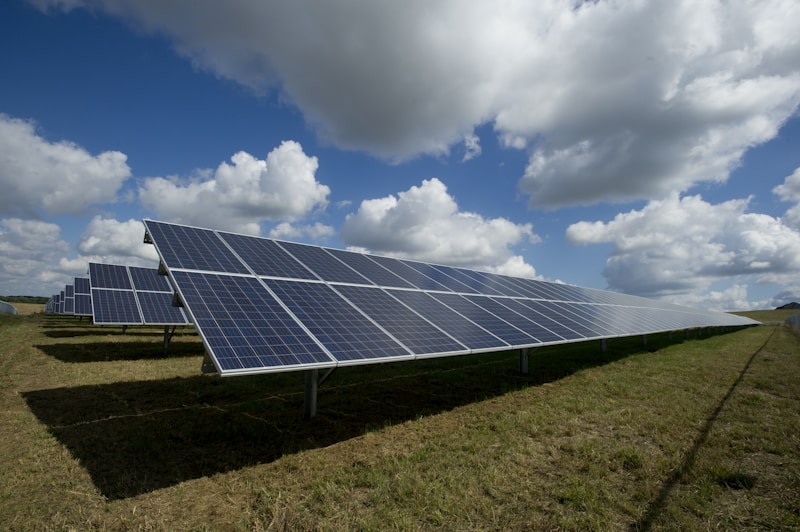
TLDR: North Carolina consistently ranks in America's top 5 states for solar installations. Duke Energy Progress and Duke Energy Carolinas offer net metering programs. While North Carolina lacks a state tax credit, the property tax exemption and sales tax exemption provide value. Combined with the 30% federal credit (expiring December 31, 2025) and strong sunshine, payback periods run 5-7 years for most Tar Heel homeowners.
Why North Carolina Leads in Solar
North Carolina's solar success story combines good policy, moderate sunshine, and strong utility programs. The state ranks consistently in the top 5 nationally for installed solar capacity—a remarkable achievement for a state not traditionally associated with renewable energy.
Tom and Jennifer Williams of Charlotte installed solar in 2023. "We're saving $150/month on electricity," Tom reports. "Our 8 kW system will pay for itself in 6 years. The Duke Energy net metering program made the economics work perfectly."
North Carolina receives 4.5-5.0 peak sun hours daily—not exceptional, but combined with reasonable electricity rates and solid incentives, the economics work well.
North Carolina Solar Costs in 2025
Current installation costs in North Carolina:
| System Size | Gross Cost | After Federal Credit | Annual Production |
|---|---|---|---|
| 6 kW | $15,000-$18,000 | $10,500-$12,600 | 7,800-8,400 kWh |
| 8 kW | $20,000-$24,000 | $14,000-$16,800 | 10,400-11,200 kWh |
| 10 kW | $25,000-$30,000 | $17,500-$21,000 | 13,000-14,000 kWh |
| 12 kW | $30,000-$36,000 | $21,000-$25,200 | 15,600-16,800 kWh |
North Carolina installation costs are competitive, below the national average in many areas.
North Carolina Solar Incentives
Federal Solar Investment Tax Credit (30%)
The primary incentive available. Reduces federal tax liability by 30% of total system cost. A $22,000 system saves $6,600 in federal taxes.
Critical deadline: The residential federal tax credit expires December 31, 2025. After that, no federal credit for homeowners. This is the final opportunity for maximum savings.
Net Metering (Duke Energy Territories)
Duke Energy Progress and Duke Energy Carolinas offer net metering for residential solar. Excess generation receives credits at avoided cost rates (slightly below retail). Credits roll over month-to-month with annual true-up. While not full retail net metering, the programs provide solid value.
Property Tax Exemption
North Carolina exempts 80% of solar system value from property taxes. Your home value increases; your property tax increase is minimal. For a $25,000 system, you save hundreds in annual property taxes.
Sales Tax Exemption
Solar equipment is exempt from North Carolina's sales tax—an additional 4.75% savings on equipment costs.
Local Programs
Some municipalities and electric cooperatives offer additional incentives. Check with your specific utility or city for local programs.
Duke Energy Specifics
Most North Carolina residents are served by Duke Energy. Key details:
Duke Energy Progress (Eastern NC)
- Net metering available for systems up to 1 MW
- Credits at avoided cost (approximately $0.04-$0.06/kWh for excess)
- Monthly credit carryover with annual true-up
- Straightforward interconnection process
Duke Energy Carolinas (Western NC)
- Similar net metering structure
- Credits at avoided cost rates
- Annual true-up in June
- Residential cap of 20 kW
Real Homeowner Experiences
The Johnsons, Raleigh: "We installed 9 kW in early 2024. Total cost was $24,300, reduced to $17,010 after the federal credit. We're producing almost all our electricity—bill went from $175/month to about $25 in grid fees. Payback will be around 7 years."
Maria Santos, Charlotte: "Living in Duke Energy Carolinas territory, I was initially concerned about the avoided cost net metering. But my installer sized the system to match my usage, minimizing excess. I'm offsetting 95% of my consumption with minimal export losses."
The Pettits, Wilmington: "Coastal NC gets great sun. Our 7 kW system produces 10,500 kWh annually. We're essentially energy independent. Hurricane season is less stressful with our battery backup—kept the lights on during Florence."
Regional Considerations Across North Carolina
Coastal Plain (Eastern NC)
Excellent sunshine (5.0+ peak sun hours). Hurricane consideration for mounting—choose installers experienced with coastal installations. Salt air requires appropriate equipment selection for barrier island and near-coast homes.
Piedmont (Central NC)
Good sunshine (4.5-4.8 peak sun hours). Large population centers mean competitive installer market. Raleigh-Durham and Charlotte metros have many qualified installers.
Mountains (Western NC)
Slightly less sunshine but often cooler temperatures improve panel efficiency. Some terrain challenges for south-facing orientation. Snow is occasional—panels typically shed it quickly.
Battery Storage Considerations
Battery storage is increasingly popular in North Carolina, especially in coastal areas:
- Hurricane season backup power is valuable along the coast
- Duke Energy's avoided cost net metering makes self-consumption more attractive
- Federal 30% tax credit applies to batteries installed with solar
- Tesla Powerwall, Enphase IQ Battery, and others available statewide
For homes in hurricane-prone areas, batteries provide peace of mind and practical backup power.
Financial Analysis: North Carolina Solar Returns
Running the numbers for a typical installation:
- System size: 8 kW
- Gross cost: $22,000
- Federal credit (30%): -$6,600
- Net cost: $15,400
- Annual production: 10,800 kWh
- Direct consumption savings at $0.12/kWh: ~$1,080/year
- Export credits (avoided cost): ~$200/year
- Total annual benefit: $1,280
- Simple payback: 12.0 years
- With battery (self-consumption optimization): 8-9 year payback
- 25-year savings: $32,000+ (including rate increases)
North Carolina's avoided cost net metering makes system sizing and self-consumption optimization important. Work with experienced installers who understand Duke Energy territory nuances.
Choosing a North Carolina Solar Installer
North Carolina's mature solar market has many qualified installers:
- Licensing: Verify NC Electrical Contractor license
- Experience: Look for installers with 500+ North Carolina installations
- Duke Energy familiarity: Choose installers experienced with your specific utility's interconnection process
- Local presence: Prefer companies with NC offices for warranty service
- Reviews: Check Google, BBB, and EnergySage ratings
Get at least three quotes. The competitive market supports good pricing.
Common Installation Challenges in North Carolina
North Carolina's varied geography creates specific installation considerations:
Coastal Wind and Salt Requirements
Homes in Outer Banks communities, Wrightsville Beach, and the Wilmington area need hurricane-rated mounting systems and marine-grade panels. Quality installers specify 140+ mph wind ratings for coastal installations. Salt-resistant components add $500-$1,000 to system cost but are essential for longevity.
Mountain Terrain Challenges
Western NC homes around Asheville, Boone, and Blowing Rock may face shading from ridgelines or limited south-facing exposure. Higher elevations see occasional snow, though panels typically clear quickly. Site assessment is crucial in mountain terrain.
HOA Restrictions
North Carolina's HOA solar access law limits (but doesn't eliminate) HOA restrictions. HOAs can require aesthetic considerations but cannot prohibit solar. Document any HOA communications early in your planning process.
Permitting Timeline Variations
Permitting timelines vary significantly across NC's 100 counties. Wake County and Mecklenburg County have streamlined online permitting with 1-2 week approvals. Rural counties may take 3-4 weeks. Outer Banks communities have additional construction requirements. Experienced installers know which jurisdictions are faster and can help you plan for the December 31, 2025 federal tax credit deadline.
More Homeowner Experiences
The Nguyens, Cary: "Research Triangle area rates keep climbing. Our 10 kW system cost $27,500 before the federal credit—$19,250 net. We produce 13,500 kWh annually and use about 12,000. The small excess builds credits for high-AC months. First-year savings: $1,620."
Sandra Williams, Asheville: "Mountain solar works great despite what people assume. We sized up slightly—9 kW instead of 8—to account for occasional cloud cover. Production exceeded projections. The cool mountain air keeps panels efficient even on bright summer days."
The Thompsons, Pinehurst: "Moore County gets beautiful sun and our retirement home has a perfect south-facing roof. Our 7.5 kW system cost $19,500 before the federal credit—$13,650 after. We're generating about 10,200 kWh annually and using 9,800. Small surplus builds credits for when we run the AC more in August. Electric bills went from $185/month to basically just connection fees."
Carlos and Maria Rodriguez, Greenville: "Eastern NC sunshine is underrated. We're in Duke Energy Progress territory and our 8 kW system produces 11,200 kWh per year. Even with avoided cost net metering, the math works because we sized our system to match our consumption almost exactly. Payback will be about 6.5 years."
Battery Storage: Essential Information for North Carolina
Battery storage is increasingly popular in North Carolina, especially in hurricane-prone coastal areas. Here's what Tar Heel homeowners should know:
Why Batteries Make Sense in NC
Hurricane season runs June through November, and North Carolina gets hit more than most realize. Florence in 2018, Dorian in 2019, and several storms since then knocked out power to hundreds of thousands. Battery backup keeps your essentials running—refrigerator, freezer, some lights, phone chargers, and medical equipment. For coastal homeowners, it's becoming less of a luxury and more of a necessity.
Battery Costs and Options
| Battery System | Capacity | Installed Cost | After 30% Credit |
|---|---|---|---|
| Tesla Powerwall 3 | 13.5 kWh | $11,000-$14,000 | $7,700-$9,800 |
| Enphase IQ Battery 5P | 5-15 kWh | $5,800-$14,500 | $4,060-$10,150 |
| Generac PWRcell | 9-18 kWh | $11,500-$19,000 | $8,050-$13,300 |
| Franklin WholePower | 13.6 kWh | $13,000-$16,000 | $9,100-$11,200 |
Self-Consumption Optimization
Since Duke Energy uses avoided cost net metering (paying less than retail for excess generation), storing your solar power and using it at night can be more valuable than exporting. This makes batteries particularly valuable in North Carolina compared to states with full retail net metering.
Sizing for NC Homes
For essential backup (refrigerator, some lights, phone charging, internet), one 10-13 kWh battery handles most homes. If you need to run AC—critical in summer storms—you'll want two batteries or larger capacity. Coastal homes with sump pumps should prioritize those circuits.
Installation Timeline: What to Expect in North Carolina
Here's a realistic week-by-week breakdown for going solar in North Carolina:
Week 1-2: Site Assessment and Design
Your installer visits your home, measures the roof, assesses shading, and reviews your Duke Energy bills. They'll design a system sized to match your consumption (critical with avoided cost net metering). You'll receive a detailed proposal with production estimates, financing options, and timeline.
Week 3-5: Permitting
Permitting timelines vary across North Carolina's 100 counties. Wake County (Raleigh area) and Mecklenburg County (Charlotte) have efficient online processes—often 1-2 weeks. Rural counties vary more. Coastal communities like Dare County (Outer Banks) may have additional wind rating requirements that add a few days.
Week 6-7: Installation
Physical installation takes 1-2 days for most residential systems. Coastal installations may take slightly longer for hurricane-rated mounting. Ground-mount systems take 3-4 days including foundation work. NC's relatively mild weather means few weather delays.
Week 8-10: Inspection and Interconnection
County electrical inspection first, then Duke Energy interconnection approval. Duke typically completes interconnection in 3-4 weeks. Once you receive "permission to operate," your system goes live and you start generating.
Total: 8-12 weeks from contract to power-on. To complete before December 31, 2025, sign your contract by mid-September 2025 at the latest. Earlier is better—fall is busy season for NC installers.
Expanded FAQ for North Carolina
Q: Should I add a generator instead of batteries?
A: Generators work but require fuel (which may be unavailable after storms), make noise, and need maintenance. Batteries are silent, fuel-free, and integrate with your solar system. For multi-day outages, a generator has unlimited runtime but batteries can often get you through 1-2 days. Some NC homeowners install both.
Q: What happens during hurricanes—will my panels survive?
A: Quality installations withstand hurricane-force winds. Panels rated for 140+ mph are standard in coastal NC. Modern mounting systems have been tested extensively. Insurance covers damage if a major storm does cause issues. After Florence, very few properly installed systems had problems.
Q: My HOA has concerns about solar panels. What can I do?
A: North Carolina law (N.C.G.S. 22B-20) limits HOA restrictions on solar. HOAs cannot prohibit solar but can require reasonable aesthetic standards like panel color matching or placement guidelines. Document everything in writing and cite the state law if needed.
Q: Is community solar an option in NC?
A: Community solar is growing in North Carolina. If your roof isn't suitable or you rent, you can subscribe to a local solar farm and receive bill credits. Duke Energy has community solar programs in some areas. Check availability with your utility.
Q: What about time-of-use rates and solar?
A: Duke Energy offers optional time-of-use rates. With TOU, electricity costs more during peak hours (2-8 PM) and less at other times. Solar produces most during peak afternoon hours, potentially increasing value. Battery storage lets you use stored solar during evening peak hours. Your installer can model whether TOU makes sense for your usage pattern.
Local Utility-Specific Programs
Duke Energy Progress (Eastern NC)
Covering Raleigh, Fayetteville, and eastern regions. Net metering at avoided cost means sizing your system to match usage is ideal. Interconnection is straightforward—typically 3-4 weeks after installation approval.
Duke Energy Carolinas (Western NC)
Serving Charlotte, Asheville, and western regions. Similar avoided cost net metering with June annual true-up. The Charlotte metro has a highly competitive installer market with good pricing.
Dominion Energy (Northeast NC)
Small coverage area in northeast NC with similar net metering policies. Less installer competition but growing market.
Frequently Asked Questions
Q: Is Duke Energy's avoided cost net metering a problem?
A: It's less generous than full retail net metering, but still workable. Size your system for 100% annual consumption to minimize exports. Consider battery storage to maximize self-consumption.
Q: What about hurricanes?
A: Quality installations withstand hurricane-force winds. Panels are rated for 140+ mph wind loads. Coastal installers know the requirements. Insurance typically covers storm damage.
Q: Will North Carolina add a state tax credit?
A: There's periodic discussion but no current state tax credit. The federal credit is available now—don't wait for hypothetical future state incentives.
Q: How do electric co-ops compare to Duke Energy?
A: Policies vary by cooperative. Some offer better net metering than Duke. Contact your specific co-op for details.
Q: What size system do most NC homeowners install?
A: The average is 7-9 kW. This typically matches household usage of 10,000-12,000 kWh annually. Your installer will analyze your utility bills to recommend the optimal size.
Q: How does NC's sales tax exemption work?
A: Solar equipment is exempt from NC's 4.75% sales tax. This applies automatically—your installer quotes the system without sales tax included.
Take Action Before December 31, 2025
The federal 30% tax credit expires at the end of 2025. In a state without a state tax credit, losing the federal credit significantly impacts economics.
Timeline for 2025 installation:
- Get quotes: Now through summer 2025
- Sign contract: By September 2025
- Permitting and installation: 8-12 weeks
- Operational: Before December 31, 2025
North Carolina's combination of good sunshine, competitive costs, and solid utility programs makes solar worthwhile for Tar Heel homeowners. The 30% federal credit is essential to the economics—acting before December 31, 2025 is critical. Get your quotes today and join North Carolina's solar success story.