New Mexico Solar Panel Guide 2025: Abundant Sunshine Meets Great Incentives
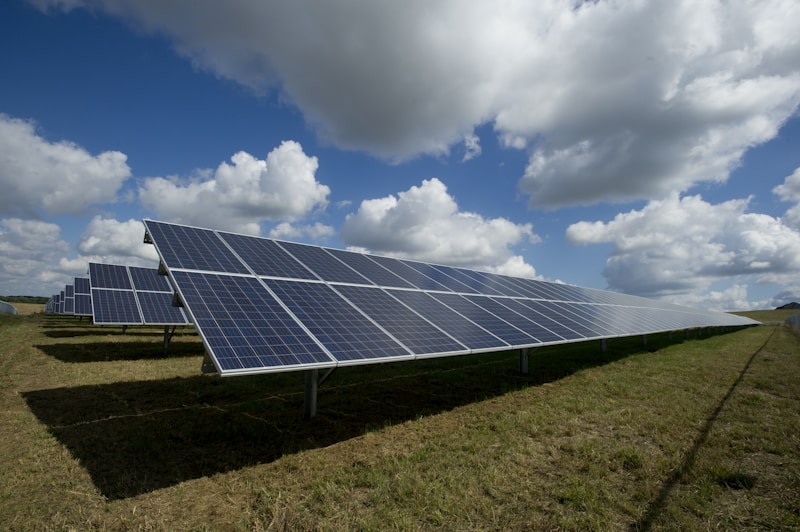
TLDR: New Mexico offers exceptional solar conditions—6.0+ peak sun hours daily, among the highest in America. The state's 10% tax credit (up to $6,000) stacks with the 30% federal credit for combined 40% savings on installation costs. With low electricity rates but excellent production, payback periods run 6-8 years. The federal tax credit expires December 31, 2025—locking in both credits requires action now.
New Mexico's Solar Advantage
If solar were a sport, New Mexico would be a perennial champion. The Land of Enchantment receives 6.0-6.5 peak sun hours daily—meaning solar panels here produce 30-40% more electricity than systems in northern states. High altitude and dry desert air maximize panel efficiency.
Carlos and Maria Gonzalez of Albuquerque installed solar in 2023. "Our 6 kW system produces more than the installer projected," Carlos reports. "We're producing 10,500 kWh per year, enough to cover our entire usage with credits left over. The sunshine here is just phenomenal."
New Mexico also benefits from relatively low installation costs—the mature solar market and abundant contractor competition keep prices competitive.
New Mexico Solar Costs in 2025
Current installation costs in New Mexico:
| System Size | Gross Cost | After All Credits | Annual Production |
|---|---|---|---|
| 5 kW | $12,500-$15,000 | $7,500-$9,000 | 8,000-8,750 kWh |
| 7 kW | $17,500-$21,000 | $10,500-$12,600 | 11,200-12,250 kWh |
| 9 kW | $22,500-$27,000 | $13,500-$16,200 | 14,400-15,750 kWh |
| 11 kW | $27,500-$33,000 | $16,500-$19,800 | 17,600-19,250 kWh |
New Mexico's low installation costs combined with high production create excellent economics.
New Mexico Solar Incentives
Federal Solar Investment Tax Credit (30%)
Reduces your federal tax bill by 30% of total system cost. A $20,000 system saves $6,000 in federal taxes.
Critical deadline: The residential federal tax credit expires December 31, 2025. After that date, no federal credit for homeowners. This is your last chance for maximum savings.
New Mexico State Solar Tax Credit (10%)
The state offers an additional 10% tax credit on solar installations, capped at $6,000. For systems up to $60,000 (nearly all residential installations), you get the full percentage. This stacks directly with the federal credit for 40% combined savings.
Net Metering
New Mexico requires utilities to offer net metering at avoided cost rates. While not full retail, the abundant sunshine means your system produces enough to offset bills even at slightly reduced export rates. PNM and other utilities have straightforward net metering programs.
Rural Electric Co-op Programs
Many New Mexico rural electric cooperatives offer additional solar incentives. Kit Carson Electric, Jemez Mountains Electric, and others have specific programs—check with your utility.
Climate and Production Considerations
Exceptional Sun Exposure
New Mexico's high desert climate delivers 300+ sunny days per year. Even "cloudy" days often have enough sun for substantial production. Panels in Albuquerque produce 25-35% more annually than identical panels in Seattle or Chicago.
Dust and Monsoons
Desert dust accumulates on panels, reducing efficiency by 5-10%. Summer monsoons help wash panels naturally. Some homeowners schedule annual cleaning, but New Mexico's rainfall is often sufficient. Panel tilt angles (typically 25-35 degrees) help dust slide off.
Hail
Occasional hail is a consideration. Quality panels are rated to withstand 1-inch hail at 50+ mph. Your installer should use appropriately rated equipment. Homeowner's insurance typically covers hail damage.
High Altitude Efficiency
Many New Mexico homes sit at 4,000-7,000 feet elevation. Thinner air means more direct sunlight reaches panels. High altitude also means cooler temperatures, which improves panel efficiency. It's a double win.
Real Homeowner Experiences
The Martinezes, Santa Fe: "At 7,200 feet, our panels work incredibly well. Cool air and intense sun—we're producing 120% of our usage. Our 7 kW system cost $18,900 before incentives. After federal and state credits, we're at $11,340. Payback will be about 6 years."
David Thompson, Las Cruces: "Las Cruces gets even more sun than Albuquerque. My 8 kW system pumped out 14,000 kWh last year. I've eliminated my electric bill entirely and have credit building with the utility."
Rebecca and James Ortiz, Rio Rancho: "We were concerned about dust from the desert. Honestly, it's minimal. Rain every couple weeks in summer keeps panels reasonably clean. We lose maybe 3-5% to dust—nothing that matters with this much sun."
Choosing a New Mexico Solar Installer
New Mexico has a mature solar market with many qualified installers. Key selection criteria:
- Local experience: Choose installers familiar with New Mexico's utility requirements and climate
- Licensing: Verify EE-98 (electrical) contractor license
- Track record: Look for installers with hundreds of local installations
- Equipment quality: Panels rated for desert conditions and potential hail
- Warranty: Minimum 25-year panel warranty, 10-year inverter warranty
Get at least three quotes. The competitive market supports good pricing, but quality varies.
Financial Analysis: New Mexico Solar Returns
Running numbers for a typical installation:
- System size: 7 kW
- Gross cost: $18,900
- Federal tax credit (30%): -$5,670
- State tax credit (10%): -$1,890
- Net cost: $11,340
- Annual production: 11,200 kWh
- Electricity offset at $0.14/kWh: $1,568/year
- Simple payback: 7.2 years
- 25-year savings: $39,200+ (including rate increases)
With some of the best sun in America and stacked incentives, New Mexico solar economics are excellent.
Battery Storage Considerations
New Mexico's grid is generally reliable, but rural areas can experience longer outages. Battery storage provides:
- Backup power during outages
- Self-consumption optimization
- Future-proofing against utility changes
The 30% federal tax credit applies to batteries installed with solar. Popular options include Tesla Powerwall, Enphase IQ Battery, and Franklin Whole Home.
Ground-Mount vs Roof-Mount in New Mexico
New Mexico's wide-open spaces and property sizes make ground-mount systems attractive for many homeowners:
Ground-Mount Advantages in New Mexico:
- Perfect south-facing orientation regardless of roof direction
- Optimal 30-35 degree tilt angle for New Mexico's latitude
- Easier cleaning access for dust maintenance
- No roof penetrations—important for flat adobe roofs
- Can be located away from trees or structures
Ground-Mount Considerations:
- Costs 10-20% more than roof-mount installations
- Requires 400-700 square feet of dedicated land
- May need additional permitting in some counties
- Trenching required for electrical conduit
In rural areas around Taos, Ruidoso, and the East Mountains, ground-mount installations are popular. Urban homes in Albuquerque and Santa Fe typically use roof-mount for space efficiency.
Common Installation Challenges
Adobe and Flat Roof Considerations
Traditional New Mexico adobe homes and flat roofs require specialized mounting approaches. Ballasted systems (weighted, not penetrating) work well on flat roofs. Homes in historic Santa Fe districts may have additional aesthetic requirements. Experienced local installers understand these nuances. Some adobe homes in Albuquerque's Old Town and Santa Fe's historic district require architectural review board approval—plan for extra permitting time.
Remote Property Interconnection
Rural properties in areas like Edgewood, Moriarty, and the Jemez Mountains may face longer utility interconnection timelines. Some rural electric cooperatives have capacity limits or specific requirements. Confirm interconnection policies before signing contracts.
Desert Wildlife Considerations
Ground-mount systems in rural New Mexico may attract wildlife seeking shade. Properly designed systems include critter guards and elevated mounting to prevent nesting under panels. Installers in Corrales, Placitas, and rural Rio Rancho are familiar with these considerations.
More Homeowner Experiences
The Romeros, Taos: "At 7,000 feet with minimal trees, our panels produce amazingly. We installed 6 kW and generate 10,800 kWh annually—30% more than our usage. The altitude advantage is real. Net cost after both credits was $9,200, and we're saving $1,400 per year."
Angela Martinez, Los Lunas: "I was worried about monsoon hail. My installer used high-impact rated panels. Two seasons in, no issues. The afternoon storms actually wash the dust off beautifully—our panels are always clean after monsoon season."
The Hendersons, Farmington: "Northwest New Mexico gets intense sun but also serious winter cold. Our panels actually perform better in winter—the cold air makes them more efficient. We're producing 10% above projections. Our 8 kW system cost $21,600 before incentives, and with both credits we're at $12,960 net. Savings are running $1,850 per year."
Laura Baca, Silver City: "Rural southwestern NM doesn't have the best utility infrastructure—we lose power a few times a year. Adding a battery with our solar was a no-brainer. Now when the grid goes down, we barely notice. The backup has paid for itself in peace of mind alone."
Utility-Specific Information for New Mexico
Understanding your utility's programs helps maximize your solar investment:
PNM (Public Service Company of New Mexico)
PNM serves Albuquerque, Santa Fe, and most of central and northern New Mexico. Their net metering program credits exports at avoided cost rates (lower than retail). Despite the reduced credit rate, New Mexico's abundant sun means most PNM customers still achieve solid returns. PNM's interconnection process typically takes 3-4 weeks after installation.
El Paso Electric
Serving Las Cruces and southern New Mexico, El Paso Electric offers net metering with monthly credit rollover. Their territory receives some of the best sun in the state—Las Cruces averages 6.5+ peak sun hours. EPE's interconnection is generally straightforward.
Rural Electric Cooperatives
New Mexico has numerous rural co-ops including Kit Carson Electric (Taos area), Jemez Mountains Electric, and Southwestern Electric. Each has its own net metering policies—some are quite solar-friendly with programs that rival investor-owned utilities. Contact your co-op directly for current rates and capacity limits.
Kit Carson Electric in particular has been progressive about solar, offering competitive net metering and streamlined interconnection for its members in the Taos and Angel Fire areas.
Battery Storage: Essential for New Mexico
While New Mexico's grid is generally reliable in urban areas, battery storage adds value for several reasons:
Rural Reliability Concerns
Remote areas of New Mexico—the East Mountains, rural San Juan County, Socorro County—experience more frequent outages. Wildfires, dust storms, and aging rural infrastructure can knock out power for hours or days. Battery backup keeps essentials running.
Self-Consumption Optimization
Since New Mexico net metering credits at avoided cost rather than retail rates, storing your own solar power and using it at night can be more valuable than exporting. Batteries help you consume more of your own production.
Battery Costs in New Mexico
| Battery | Capacity | Installed Cost | After 30% Credit |
|---|---|---|---|
| Tesla Powerwall 3 | 13.5 kWh | $12,000-$14,500 | $8,400-$10,150 |
| Enphase IQ Battery | 5-15 kWh | $6,000-$14,000 | $4,200-$9,800 |
| Generac PWRcell | 9-18 kWh | $11,000-$18,000 | $7,700-$12,600 |
For off-grid properties in rural New Mexico—and there are many—battery storage is essential, not optional. Budget accordingly if you're considering a property without reliable grid access.
Installation Timeline for New Mexico
Here's what to expect when going solar in the Land of Enchantment:
Week 1-2: Site Assessment
Your installer visits your property, measures your roof or potential ground-mount area, checks for shading from trees or other structures (less common in NM than elsewhere), and reviews your utility bills. For adobe homes with flat roofs, they'll assess ballasted mounting options.
Week 3-4: Permitting
New Mexico permitting is generally straightforward. Albuquerque has an efficient solar permit process—often approved within a week. Santa Fe's historic districts may require additional review but are generally solar-supportive. Rural counties vary—some are very quick, others less experienced with solar permits.
Week 5-6: Installation
Physical installation takes 1-2 days for roof-mount systems. Ground-mount installations may take 2-4 days including foundation work. New Mexico's dry climate means weather rarely delays installation—unlike rainier states, you can often schedule work with confidence.
Week 7-8: Inspection and Interconnection
County or city electrical inspection, followed by utility interconnection approval. PNM typically processes interconnection in 2-3 weeks. Rural co-ops may be faster or slower depending on their familiarity with solar installations.
Total: 6-8 weeks from contract to power-on. To complete before December 31, 2025, sign your contract by mid-October 2025 at the latest.
Expanded FAQ for New Mexico
Q: Is New Mexico too hot for solar panels?
A: Heat does reduce panel efficiency, but it's minimal in practice. Modern panels lose about 0.3-0.5% efficiency per degree Celsius above 25°C (77°F). High altitude locations like Santa Fe and Taos stay cooler. Desert locations like Las Cruces get hotter but also get more intense sun—the production boost outweighs the efficiency loss.
Q: What about dust storms affecting my panels?
A: Dust storms can coat panels, but monsoon rains typically wash them clean. If you're in a particularly dusty area near unpaved roads, plan for occasional cleaning—a hose and soft brush handle it. Most NM homeowners find rain sufficient.
Q: Can solar power my evaporative cooler and AC?
A: Evaporative coolers ("swamp coolers") use minimal electricity—a modest solar system easily powers them. Central AC uses much more power. If you have AC, size your system accordingly—possibly 8-12 kW for homes with significant AC usage during summer.
Q: How do I claim both the state and federal tax credits?
A: Federal credit goes on your federal return using Form 5695. State credit goes on your New Mexico return. Both require documentation from your installer—make sure you get the final cost breakdown showing eligible expenses. The credits don't interact—you claim each separately.
Frequently Asked Questions
Q: Will dust really impact my production?
A: Yes, but minimally. Expect 3-8% annual reduction from dust. Monsoon rains help, and optional annual cleaning can restore full production. The impact is minor compared to New Mexico's production advantages.
Q: What about solar tracking systems?
A: Fixed-tilt systems are most cost-effective for residential. Trackers add complexity and maintenance. New Mexico's sun is so abundant that simple fixed systems produce excellent returns.
Q: Can I use solar to power evaporative cooling?
A: Absolutely. Evaporative coolers use far less electricity than AC. A modest solar system easily powers a whole-house cooler. Many New Mexico homes pair solar with evaporative cooling for very low utility bills.
Q: How do I claim both tax credits?
A: Federal credit goes on your federal return (Form 5695). State credit goes on your New Mexico return. Both are straightforward—your installer should provide documentation.
Q: Which utility offers the best net metering?
A: PNM (Public Service Company of New Mexico) serves most of the state and offers straightforward net metering. El Paso Electric serves the southern tip. Rural co-ops like Kit Carson Electric have their own programs—some are quite solar-friendly.
Q: Is off-grid solar practical in New Mexico?
A: Yes, more than most states. New Mexico's abundant sunshine makes off-grid feasible with adequate battery storage. Remote properties often find off-grid more economical than running utility lines. Budget $30,000-$50,000 for a complete off-grid system.
Take Action Before December 31, 2025
The federal 30% tax credit expires at the end of 2025. Combined with New Mexico's 10% state credit, this is the best solar window ever—40% combined savings.
Timeline for 2025 installation:
- Get quotes: Now through summer 2025
- Sign contract: By September 2025
- Permitting and installation: 6-8 weeks
- Operational: Before December 31, 2025
New Mexico's exceptional sunshine, stacked incentives, and competitive installation costs make it one of America's best solar markets. The Land of Enchantment offers ideal conditions for going solar—and 2025 is the optimal time to act. Get your quotes today and harness New Mexico's abundant solar resource.