Home EV Charger Installation: Complete 2025 Guide
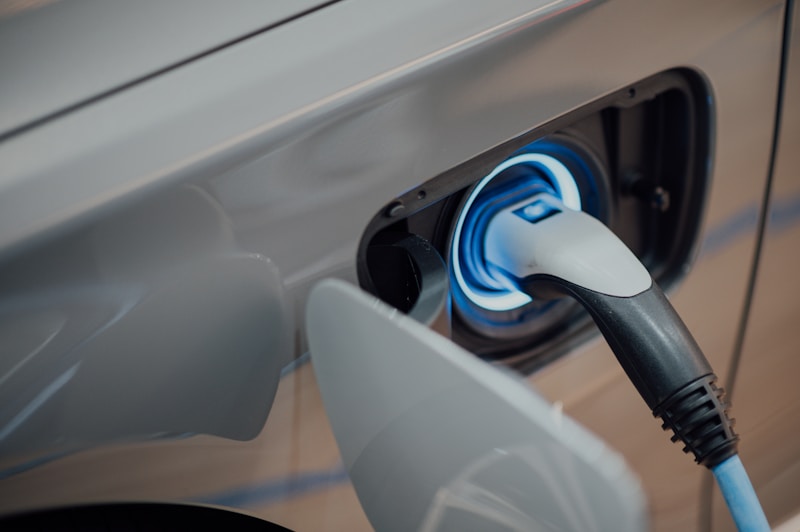
TLDR: A home Level 2 EV charger costs $400-$700 for the unit and $500-$1,500 for installation (electrical work). Total: $900-$2,200. It charges 25-30 miles of range per hour—overnight charging fills any EV. The 30% federal tax credit ($1,000 max) is available through 2032.
Level 1 vs Level 2 Charging
| Feature | Level 1 (120V) | Level 2 (240V) |
|---|---|---|
| Miles per hour | 3-5 miles | 25-35 miles |
| Full charge time (60 kWh) | 40-60 hours | 6-10 hours |
| Equipment cost | $0 (comes with car) | $400-$700 |
| Installation | $0 (plug into outlet) | $500-$1,500 |
Level 1 works for plug-in hybrids or very low mileage. For daily EV driving, Level 2 is essential.
Equipment Costs
Budget chargers ($300-$500):
- Lectron V-BOX: $350, 40A, basic WiFi
- Grizzl-E Classic: $400, 40A, durable, no-frills
- Wallbox Pulsar Plus: $500, 40A, good app
Mid-range chargers ($500-$700):
- ChargePoint Home Flex: $600, 50A, excellent app
- JuiceBox 48: $650, 48A, utility integrations
- Emporia Smart Charger: $500, 48A, energy monitoring
Premium chargers ($700-$1,000):
- Tesla Wall Connector: $475, 48A (Tesla optimized)
- Autel MaxiCharger: $700, 50A, LCD screen
- Enel X JuicePole: $900, commercial-grade
Installation Costs
Installation varies based on electrical panel distance and capacity:
Simple install ($500-$800):
- Garage near electrical panel
- 200-amp panel with spare slots
- Short cable run (under 25 feet)
Moderate install ($800-$1,200):
- Garage on opposite side of house
- Longer cable runs (25-50 feet)
- Minor panel work needed
Complex install ($1,200-$2,500):
- Detached garage or outdoor install
- Panel upgrade required (100A to 200A)
- Trenching for underground conduit
Federal Tax Credit
The Alternative Fuel Vehicle Refueling Property Credit covers 30% of equipment and installation costs, up to $1,000 for residential.
Requirements:
- Must be installed at your primary residence
- Property must be in an eligible census tract (low-income or non-urban)
- Credit available through 2032
Check eligibility at afdc.energy.gov before counting on the credit.
Q&A: Home EV Charging
Q: Can my electrical panel handle an EV charger?
A: Most 200-amp panels can. A 40A charger needs a 50A breaker. If your panel is full or you have 100-amp service, you may need an upgrade ($1,500-$4,000). An electrician can assess your setup.
Q: Hardwired or plug-in charger?
A: Both work equally well. Plug-in (NEMA 14-50 outlet) is slightly easier to replace or move. Hardwired is cleaner looking and required by some manufacturers. No performance difference.
Q: Do I need a smart charger?
A: Nice to have, not essential. Smart chargers let you schedule charging for off-peak rates, monitor energy use, and integrate with utility programs. Most EVs have similar features in-car.
Q: What about outdoor installation?
A: Many chargers are rated for outdoor use (NEMA 4). Installation costs more due to weatherproofing and longer cable runs. Works fine in all climates.
Q: How do I find a qualified electrician?
A: Look for licensed electricians with EV charger experience. Many charger manufacturers have installer networks. Get 2-3 quotes and check reviews.
The Bottom Line
Home EV charging costs $900-$2,200 total and transforms your EV experience. Wake up to a full battery every day, never visit a gas station, and save significantly on fuel costs.
If you're buying an EV, budget for Level 2 charging. The convenience is worth every dollar.
Choosing the Right Amperage
EV chargers come in different power levels:
| Amperage | kW Output | Miles/Hour | Best For |
|---|---|---|---|
| 16A | 3.8 kW | 12-15 | PHEVs, light use |
| 32A | 7.7 kW | 20-25 | Most EVs |
| 40A | 9.6 kW | 25-30 | Standard recommendation |
| 48A | 11.5 kW | 30-35 | Large batteries, fast charging |
For most EV owners, 40A (9.6 kW) is ideal. It fully charges any EV overnight while not requiring massive electrical work.
Electrical Panel Considerations
Your electrical panel needs capacity for the charger:
- 40A charger: Requires 50A breaker (80% rule)
- 48A charger: Requires 60A breaker
- Panel capacity: Most 200A panels can accommodate; 100A panels often need upgrade
Load management devices (like Emporia's load balancer) can help if your panel is tight. They reduce charger power when other loads are high.
Installation Process
What to expect from charger installation:
- Site assessment: Electrician evaluates panel capacity, wire routing, charger location
- Permit pulling: Most jurisdictions require electrical permit ($50-$150)
- Installation: Run conduit and wire, install outlet or hardwire charger, update panel
- Inspection: City inspector verifies code compliance
- Activation: Connect charger to WiFi, test operation
Total time: 1-3 days depending on complexity. Most installs complete in one day.
Time-of-Use Rate Optimization
Smart chargers unlock significant savings with time-of-use (TOU) rates:
- Schedule charging during off-peak hours (typically 9 PM - 6 AM)
- Off-peak rates often 50-70% lower than peak
- Savings of $30-$80/month for typical EV drivers
Some utilities offer special EV rates even lower than standard off-peak. Check with your utility.
Outdoor Installation Considerations
If installing outdoors or in a carport:
- Choose NEMA 4 or 4X rated charger for weather protection
- Install on sturdy mounting surface
- Consider cable management for winter handling
- Underground conduit may be needed for runs across driveways
Outdoor installations cost $200-$500 more than garage installations but work reliably in all climates.
Common Installation Mistakes
Avoid these errors:
- Undersized wire: Using 8-gauge for 40A charger (should be 6-gauge)
- Wrong outlet: NEMA 6-50 instead of 14-50 (both work, but verify charger compatibility)
- No permit: Unpermitted work can affect home insurance and resale
- Poor placement: Charger cord doesn't reach car's charge port comfortably
Home EV charging is one of the best investments for EV owners. The convenience of waking up to a full battery every day—combined with lower per-mile costs than gasoline—makes Level 2 charging essential for anyone driving an EV.
Choosing the Right Charger Brand
Several quality brands dominate the market:
ChargePoint Home Flex
Best overall choice. Adjustable 16-50A, excellent app, utility program integration. $600. Good for anyone wanting flexibility and smart features.
Grizzl-E Classic
Best budget option. Built like a tank, NEMA 4 rated for outdoor use. $400. Perfect for those who want reliability without smart features.
Tesla Wall Connector
Best for Tesla owners. Seamless integration, power sharing capability, sleek design. $475. Other EVs work with adapter.
Emporia Smart Charger
Best for solar integration. Energy monitoring, load balancing. $500. Great for homes with solar panels.
Utility Rate Optimization
Smart charging dramatically reduces costs:
Time-of-Use (TOU) Rates:
- Peak (4-9 PM): $0.30-$0.50/kWh in many markets
- Off-peak (9 PM-6 AM): $0.08-$0.15/kWh
- Charging off-peak saves 50-70%
EV-Specific Rates:
- Some utilities offer special EV rates as low as $0.05/kWh overnight
- May require separate meter for EV circuit
- Annual savings: $500-$1,200 over standard rates
Future-Proofing Your Installation
Consider future needs when installing:
- Amperage: Install 60A circuit even if using 40A charger—allows upgrade later
- Second EV: Consider adding second outlet or circuit capacity now
- Bidirectional charging: Some future vehicles will offer V2H (vehicle-to-home). Position charger for potential upgrade.
- Solar integration: If planning solar, install charger near future battery or inverter location
Real Installation Examples
What actual installations cost:
Simple install (Denver townhome): Garage near panel, ChargePoint Home Flex hardwired. Equipment: $600. Installation: $450. Total: $1,050.
Moderate install (Austin single-family): Garage on opposite side of house, 45-foot wire run, Grizzl-E. Equipment: $400. Installation: $950. Total: $1,350.
Complex install (New York detached garage): 75-foot underground conduit, panel upgrade needed, JuiceBox. Equipment: $650. Installation: $2,800. Total: $3,450.
Troubleshooting Common Issues
Problems you might encounter:
Charger won't start charging:
- Check car is unlocked or ready to charge
- Verify charger display shows ready status
- Try disconnecting and reconnecting plug
- Reset charger via app or breaker
Tripping breaker:
- Other loads may be overloading circuit
- Reduce charger amperage if adjustable
- Have electrician check wiring and breaker sizing
Slow charging speed:
- Verify charger amperage setting matches expectations
- Check car's maximum onboard charger capacity
- Some cars limit charging in extreme temperatures
Getting Started
Ready to install home EV charging? Here's how to proceed:
- Check your electrical panel: Note capacity and available slots
- Choose charger location: Consider cord reach to car charge port
- Get electrician quotes: At least 2-3 from experienced EV installers
- Select your charger: Based on features, budget, and brand preference
- Schedule installation: Typical lead time is 1-3 weeks
Home Level 2 EV charging transforms the EV ownership experience. No more trips to gas stations. No more range anxiety for daily driving. Just plug in when you get home, and wake up to a full battery every morning. At $1,000-$2,500 total cost, it's one of the best investments any EV owner can make.
Multi-EV Household Considerations
Planning for a second EV? Consider these options:
Dual Charger Setup
Install two separate circuits and chargers. Most flexible but highest cost. Requires adequate panel capacity. Budget $3,000-$5,000 total for two complete installations.
Power Sharing
Some chargers (Tesla Wall Connector, JuiceBox) can share a single circuit between two units. When both cars charge, power splits automatically. More affordable: one circuit, two chargers for $1,500-$2,500.
Plug Sharing
Install one charger, manually swap between vehicles. Least expensive but least convenient. Works if cars have staggered schedules.
Load Management Options
If panel capacity is tight:
- Smart circuit breakers: Emporia Vue or Sense monitor home loads and reduce charger power when other appliances run
- Dynamic load management: Built into some chargers, automatically adjusts to available capacity
- Scheduled charging: Charge overnight when other loads are minimal
Load management often avoids expensive panel upgrades while still enabling fast home charging.