Florida Solar Guide 2025: Costs, Net Metering & Hurricane Considerations
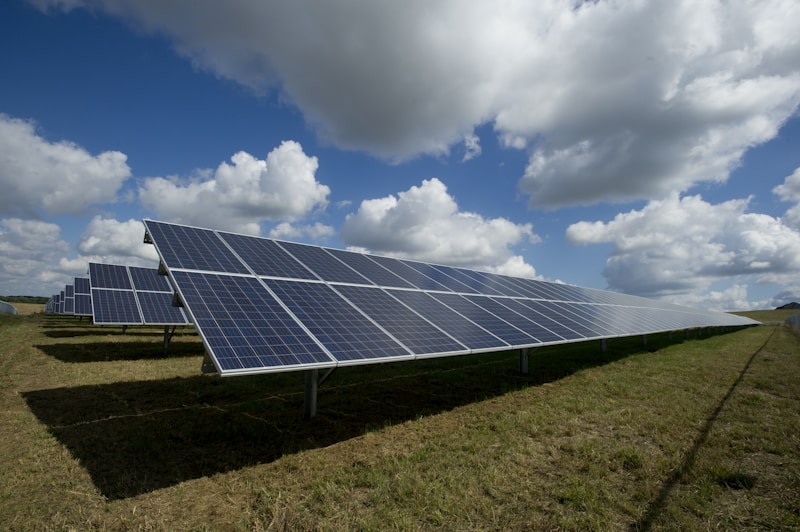
CRITICAL DEADLINE: 30% Federal Tax Credit Expires December 31, 2025
The 30% federal Investment Tax Credit (ITC) for residential solar ends on December 31, 2025. After this date, the residential credit drops to 0%. If you're considering solar in Florida, act now to lock in maximum savings of $5,000-$8,000 on a typical installation.
I've been talking to Florida homeowners about solar for years, and the conversation always comes back to the same thing: hurricanes. Yes, Florida gets 230+ sunny days per year. Yes, electricity bills in summer can hit $400 or more when the AC runs constantly. But can those panels on your roof survive when a Cat 4 storm comes barreling through?
The short answer is yes—when installed correctly. But that's just one piece of the Florida solar puzzle. Between FPL and Duke Energy territory differences, net metering policies that are under constant pressure, and the looming December 31, 2025 federal tax credit deadline, there's a lot Florida homeowners need to understand before signing a contract.
I've compiled everything you need to know—including real stories from Florida homeowners who've already made the switch—to help you make an informed decision.
Solar Costs in Florida
Florida solar pricing runs below the national average, thanks to intense competition among installers and high demand in the sunshine state. Here's what you're looking at:
| System Size | Before Credit | After 30% Federal |
|---|---|---|
| 6 kW | $14,400-$16,800 | $10,080-$11,760 |
| 8 kW | $19,200-$22,400 | $13,440-$15,680 |
| 10 kW | $24,000-$28,000 | $16,800-$19,600 |
These prices include hurricane-rated installation, which I strongly recommend for any Florida homeowner. Going cheaper with standard mounting isn't worth the risk.
Florida Solar Incentives
Federal Investment Tax Credit: 30%
The federal tax credit is the main incentive for Florida homeowners. You deduct 30% of your total system cost—including equipment, labor, permits, and battery storage if you add it—directly from your federal income taxes.
On a typical $22,000 installation, that's $6,600 back in your pocket. On a larger $28,000 system with battery backup, you're looking at $8,400 in tax savings.
The critical deadline: This 30% credit expires for residential installations on December 31, 2025. Your system must be fully installed and operational by that date. There is no extension currently planned, and after 2025, the residential credit drops to 0%.
No State Tax Credit
Florida does not offer a state-level solar tax credit or rebate. This is disappointing compared to states like Massachusetts or New York, but Florida makes up for it with other exemptions and lower installation costs.
Property Tax Exemption (100%)
Solar installations are completely exempt from property tax increases in Florida. This is significant. A $25,000 solar system adds value to your home but won't increase your property tax bill by a single dollar. Over 25 years, this saves thousands compared to states without this exemption.
Sales Tax Exemption
Solar equipment is exempt from Florida's 6% sales tax. On a $22,000 system, that's an automatic $1,320 in savings. This exemption applies to panels, inverters, mounting equipment, and batteries.
Net Metering: FPL vs. Duke Energy vs. Tampa Electric
Net metering is how utilities credit you for excess solar electricity you send to the grid. Florida's three major investor-owned utilities each handle this slightly differently:
Florida Power & Light (FPL)
FPL serves most of Florida's east coast and southern portions of the state. Their net metering program offers:
- Full retail rate credits for excess electricity (currently $0.12-$0.14/kWh)
- Monthly rollover of credits
- Annual true-up in December, where excess credits are paid at avoided cost (approximately $0.03-$0.04/kWh)
- Systems up to 2 MW qualify
FPL has been relatively stable with their net metering policies, though they've pushed for changes in the past. Installing now locks in current rates.
Duke Energy Florida
Duke serves much of central and northern Florida. Their net metering structure is similar to FPL:
- Full retail rate credits for systems up to 2 MW
- Monthly credit rollover
- Annual settlement of excess credits at avoided cost
- Separate metering for solar production tracking
Duke territory tends to have slightly higher installation costs due to fewer installers, but the economics still work well.
Tampa Electric (TECO)
TECO serves the Tampa Bay area with similar net metering terms. They also offer a solar pilot program worth investigating if you're in their territory.
Municipal Utilities and Co-ops
If you're served by JEA (Jacksonville), Orlando Utilities Commission, or one of Florida's rural electric cooperatives, net metering policies vary significantly. Some offer programs similar to FPL; others have limited or no solar support. Always verify your utility's specific policies before proceeding.
Hurricane Considerations: The Florida Reality
Let's address the elephant in the room. Florida gets hurricanes. Your roof will eventually face a major storm. Can solar panels survive?
Panel Ratings and Wind Resistance
Modern solar panels from major manufacturers (REC, Qcells, Canadian Solar, SunPower) are rated for 140-180+ mph winds. Most Florida building codes require panels rated for at least 160 mph. This exceeds Category 4 hurricane wind speeds.
The panels themselves are incredibly strong—tempered glass over crystalline silicon, mounted in aluminum frames. They're essentially bulletproof against wind.
Mounting Systems Matter More
The weak point isn't the panels—it's how they're attached to your roof. Florida installations should use:
- Through-bolt mounting: Bolts that penetrate the roof decking and attach to rafters, not just sheathing
- Hurricane straps: Additional metal reinforcement at mounting points
- Appropriate flashing: Waterproofing that maintains roof integrity even in driving rain
Avoid rail-less mounting systems or ballasted systems (common in other states) that aren't rated for Florida conditions.
Real Hurricane Performance
After Hurricane Ian (2022), Hurricane Michael (2018), and Hurricane Irma (2017), data showed that properly installed solar panels performed remarkably well. The main cause of damage was flying debris, not wind stress on the panels themselves.
Insurance Considerations
Most Florida homeowner policies cover solar panels as part of the dwelling structure. However, you should:
- Notify your insurer before installation
- Verify coverage limits are adequate
- Ask about any required riders or endorsements
- Confirm that hurricane damage is covered
Some insurers offer premium discounts for solar + battery systems because they reduce grid strain during recovery periods.
Battery Storage: Essential for Florida
In most states, battery storage is optional. In Florida, I consider it nearly essential. Here's why:
Hurricane Backup Power
When a hurricane knocks out power, it can take days or weeks to restore. A solar + battery system provides continuous power during daylight hours and stored power overnight. During Ian, some homeowners with battery backup never lost power while neighbors waited two weeks for restoration.
Summer Storm Outages
Florida's afternoon thunderstorms cause frequent brief outages throughout summer. A battery system eliminates the inconvenience of resetting clocks, losing refrigerator contents, and interrupting work-from-home productivity.
Battery Costs and Tax Credit
A Tesla Powerwall 3 costs approximately $14,500 installed. After the 30% federal tax credit, your net cost is $10,150. Other options like Enphase IQ batteries or Generac PWRcell are competitively priced.
One Powerwall provides 13.5 kWh of storage—enough to run essential loads (refrigerator, lights, fans, WiFi, phone chargers) for 12-24 hours, longer if you're conservative with usage.
Real Florida Homeowner Stories
Maria and Carlos, Cape Coral
"We installed a 9.6 kW system with two Powerwalls in March 2024, right before the summer heat hit. Our electric bill went from $380/month to about $25 in connection fees. Then Ian came through—we lost grid power for 11 days, but we never lost our AC. Our neighbors were staying in hotels. We were hosting them for dinner."
System cost: $38,000 (including batteries). After federal credit: $26,600. Monthly savings: $355. Payback period: 6.2 years.
James, Jacksonville (JEA Territory)
"I was skeptical because JEA's net metering isn't as good as FPL's. But the numbers still worked. I installed 7.5 kW in February 2024 for $18,500 after the tax credit. I'm saving about $140/month. Payback is around 11 years, but the panels are warrantied for 25. That's 14 years of free electricity."
Sandra, Sarasota
"Everyone told me Florida was too hot for solar, that the panels would lose efficiency in summer. That's nonsense. Yes, there's some temperature loss, but my system produces about 15% more than the estimate because we get so much sun. I went from paying Duke $260/month to getting a check for $4 last month because I overproduced."
Common Mistakes Florida Homeowners Make
Skipping Hurricane-Rated Equipment
Some installers offer cheaper systems with standard mounting. In Florida, this is a mistake. Spend the extra 5-10% for hurricane-rated installation. The peace of mind and insurance benefits are worth it. One hurricane can destroy an inadequate installation—and your insurer might deny claims for improperly rated systems.
Ignoring Shade from Trees
Florida's lush vegetation grows fast. A tree that barely shades your roof today might cover half your panels in three years. Consider your landscaping plan before installing, and factor in ongoing tree maintenance costs. Many installers offer shade analysis with drone imaging to project future growth patterns.
Overlooking Battery Storage
Florida averages more power outages than most states due to hurricanes, lightning storms, and grid stress during summer peaks. A battery system turns your solar installation into a reliable backup power source. Budget an extra $8,000-$12,000 (after tax credit) for this capability.
Not Verifying Installer Experience
Florida has specific building codes and permitting requirements. Choose an installer with extensive Florida experience who understands local codes, hurricane strapping requirements, and utility interconnection processes. Ask for references from customers who've been through a major storm.
Waiting Past the Tax Credit Deadline
I talk to homeowners every month who say they're "waiting for prices to drop" or "not sure if it's the right time." Prices have stabilized, and the 30% federal tax credit expires December 31, 2025. On a $22,000 system, that's $6,600 you're leaving on the table if you wait until 2026.
Florida Installation Timeline
Typical timeline for Florida solar installations:
Week 1-2: Site assessment and system design. Installer visits your home, evaluates roof condition and electrical panel, and creates a custom design with production estimates.
Week 3-5: Permitting. Florida counties vary significantly—Miami-Dade and Broward are notoriously slow (4-6 weeks), while smaller counties like Charlotte or Collier may approve within 1-2 weeks.
Week 6: Installation. Most residential systems install in 1-2 days. Battery systems add another half-day.
Week 7-8: Inspections and utility approval. Building inspector reviews the installation, then your utility conducts interconnection inspection and grants permission to operate.
Total timeline: 6-10 weeks for most installations. Start by September 2025 at the latest to ensure your system is operational before the December 31, 2025 tax credit deadline. Earlier is better—permit backlogs can cause unexpected delays.
Is Florida Solar Worth It?
Despite having no state tax credit, Florida solar makes strong financial sense:
- Abundant sunshine: 5.5+ peak sun hours daily means exceptional production
- High cooling bills: Solar offsets the most expensive part of your energy usage
- Property and sales tax exemptions: Saves $2,000-$4,000 over the system's lifetime
- Rising electricity rates: FPL and Duke have raised rates consistently—solar locks in your cost
- Hurricane resilience: With battery backup, you have energy independence when the grid fails
Typical payback runs 8-11 years, with 15+ years of essentially free electricity afterward. For a system that lasts 25-30 years, that's a strong return on investment.
The Bottom Line
Florida is one of the best states in America for residential solar—if you do it right. Choose hurricane-rated equipment, seriously consider battery storage, and verify your utility's net metering policies before signing.
Most importantly, don't wait. The 30% federal tax credit expires December 31, 2025. That deadline is firm, and there's no extension planned. On a typical Florida installation, you're looking at $5,000-$8,000 in savings that simply won't be available in 2026.
Start getting quotes now. Allow 8-10 weeks for the full process. Your future self—especially during the next hurricane—will thank you.