EV Road Trip Charging: Planning, Networks & Real-World Tips
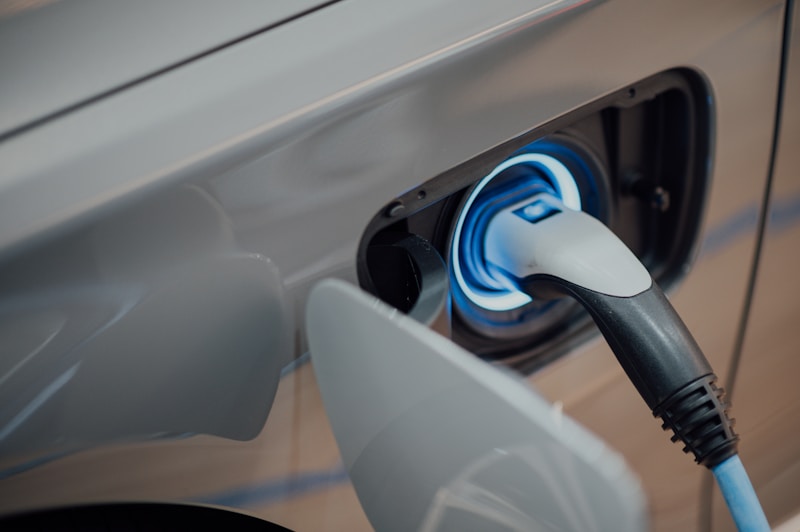
TLDR: EV road trips are practical in 2025 with expanding charging networks. Tesla Superchargers (now open to non-Tesla) and Electrify America provide cross-country coverage. Plan 20-40 minute charging stops every 150-200 miles. Use PlugShare and A Better Route Planner for trip planning.
The State of Road Trip Charging
As of December 2024:
- Tesla Superchargers: 2,000+ locations, 25,000+ stalls
- Electrify America: 900+ locations, 4,000+ stalls
- EVgo: 1,000+ locations
- ChargePoint: Limited DC fast charging
Major interstate corridors have reliable coverage. Rural areas and some regions (West Virginia, parts of the Dakotas) have gaps.
How Far Can You Go?
Real-world highway range (at 70-75 mph):
- Tesla Model 3 LR: 250-280 miles
- Ford Mustang Mach-E: 200-240 miles
- Rivian R1T: 260-300 miles
- Hyundai Ioniq 5: 200-240 miles
- Chevy Bolt EUV: 190-220 miles
Plan charging stops at 20% battery to reach the next charger with buffer.
Charging Stop Duration
| Scenario | Time | Range Added |
|---|---|---|
| Quick top-up (10-50%) | 15-20 min | 100-150 miles |
| Standard stop (10-80%) | 30-40 min | 200-250 miles |
| Full charge (10-100%) | 45-60 min | 280-350 miles |
Charging slows significantly above 80%. Skip to 80% and stop again sooner for faster trips.
Trip Planning Tools
A Better Route Planner (ABRP): Best route planning app. Enter your EV model, departure, and destination. It calculates optimal charging stops.
PlugShare: Most comprehensive charger database. Real-time availability, user reviews, photos.
Tesla Nav: Built-in for Tesla vehicles. Routes automatically to Superchargers.
Network Tips
Tesla Supercharger:
- Best network for reliability and coverage
- Now open to non-Tesla EVs at many locations
- Use Tesla app (or Magic Dock) for non-Tesla vehicles
- Pricing: $0.40-$0.50/kWh (varies by location)
Electrify America:
- Largest non-Tesla network
- Reliability has improved but still hit-or-miss
- Pass+ membership saves 20-30%
- Pricing: $0.43-$0.48/kWh (with membership)
Q&A: EV Road Trips
Q: Are chargers always working?
A: Not always. Tesla has 95%+ uptime. Others are less reliable. Always have a backup charging option identified.
Q: What if I can't find a charger?
A: Plan routes through PlugShare. In worst case, most hotels have Level 2 charging (overnight slow charge). Never rely on a single charger without backup.
Q: Is it much slower than gas?
A: Yes, road trips take longer. A 500-mile day might add 1-1.5 hours of charging time. Use stops for meals and breaks to minimize perceived delay.
Q: What about winter range loss?
A: Expect 20-30% reduced range in cold weather. Plan shorter distances between stops in winter.
The Bottom Line
EV road trips work in 2025. Tesla Supercharger network provides the most reliable experience. Non-Tesla EVs can now use Superchargers in many locations.
Plan ahead using ABRP and PlugShare. Accept that trips take longer than gas cars. The adventure is part of the experience—and fuel savings are substantial.
Pre-Trip Preparation
Maximize road trip success with preparation:
Vehicle Prep
- Update vehicle software for latest charging improvements
- Verify payment methods work on charging networks
- Download backup charging apps (PlugShare, Electrify America, ChargePoint)
- Check tire pressure (impacts efficiency significantly)
Route Planning
- Run route through ABRP at least once before departure
- Identify backup chargers at each stop
- Note hotels with charging along route
- Check real-time charger status morning of departure
Charging Strategy
Optimize charging for faster trips:
- Arrive low: 10-20% battery charges fastest. Showing up at 50% wastes time.
- Leave at 60-80%: Charging above 80% is slow. Stop sooner for faster overall trip.
- Precondition battery: Most EVs warm the battery while navigating to chargers. Use built-in nav.
- Multiple short stops beat fewer long stops: Two 20-minute stops often faster than one 45-minute stop.
Troubleshooting Common Issues
Charger won't start:
- Try different stall at same station
- Restart charging session in app
- Call network support (number on charger)
- Move to backup charger if available
Slow charging speed:
- Battery may be too hot or cold—let it rest
- Some stations share power between stalls
- Check if vehicle is limiting charge rate
Can't find available charger:
- Check PlugShare for real-time availability
- Consider Level 2 charging at nearby hotel or destination
- Drive conservatively to stretch range to next station
Cost Management
Road trip charging costs more than home charging:
| Network | Typical Rate | Cost for 250 miles |
|---|---|---|
| Tesla Supercharger | $0.40-$0.50/kWh | $28-$35 |
| Electrify America | $0.43-$0.48/kWh | $30-$34 |
| EVgo | $0.45-$0.55/kWh | $32-$39 |
| Gas car comparison | $3.50/gal, 30mpg | $29 |
Road trip EV charging costs roughly equal to gas. Savings come from home charging on daily driving.
Popular Road Trip Routes
Well-covered corridors for EV road trips:
- I-95 (Boston to Miami): Excellent coverage. Superchargers and EA every 50-100 miles.
- I-10 (LA to Jacksonville): Good coverage. Some gaps in rural Texas and Arizona.
- I-80 (NYC to SF): Solid coverage. Nebraska and Wyoming have some gaps.
- Pacific Coast Highway: Limited fast charging. Plan carefully or add time.
EV road trips require more planning than gas cars but are entirely practical in 2025. The charging infrastructure improves monthly, and the experience of road tripping in an EV—quiet, smooth, and with interesting stops—wins over most who try it.
Road Trip Testimonials
Real experiences from EV road trippers:
The Smiths, Model Y from Seattle to San Diego: "1,200 miles, mostly Superchargers. Stopped 5 times for 20-30 minutes each. Kids loved the stops—we found restaurants, playgrounds, and interesting towns. Added maybe 3 hours total to a 20-hour drive. Worth it for the fuel savings and smooth ride."
James, Ioniq 5 from Chicago to Denver: "Nebraska was the only concerning stretch. Found Electrify America stations every 150 miles. One charger was down but the next stall worked. Total trip took 2 hours longer than it would in my old Camry. I'll do it again."
Maria, Mach-E from Atlanta to Miami: "I-75 to I-95 has great coverage. Never waited for a charger. The stops were actually nice breaks I wouldn't have taken otherwise. Arrived more relaxed than usual road trips."
Planning for Different Trip Types
Weekend Getaway (200-400 miles)
- Often doable with one charging stop
- Charge at destination (hotel, Airbnb) if possible
- Less planning required
Multi-Day Road Trip (500+ miles per day)
- Plan charging stops in advance
- Book hotels with charging
- Use ABRP for complete route planning
- Identify backup chargers at each stop
Cross-Country Adventure (2,000+ miles)
- Major interstates have reliable coverage
- Scenic routes may require more planning
- Consider overnight charging to reduce daytime stops
- Join EV communities for real-time advice
Handling Charging Anxiety
First-time EV road trippers often worry. Here's how to build confidence:
- Start with a short trip: Take a 200-mile round trip first
- Over-plan chargers: Know three options at each stop
- Charge more frequently: Stop at 30% instead of 10% until comfortable
- Join EV forums: Ask about specific routes—others have done it
- Download multiple apps: PlugShare, ABRP, network-specific apps
After a few trips, charging becomes routine. Most experienced EV owners prefer the road trip experience—planned stops beat random gas stations.
Charging Network Memberships
Save money with network memberships:
- Electrify America Pass+: $4/month for 20-30% off charging
- EVgo Plus: $7.99/month for discounted rates
- ChargePoint: Free membership, pay per session
- Tesla: No membership needed (prices built in)
For frequent road trippers, memberships pay for themselves quickly.
Future of EV Road Trips
Charging infrastructure is expanding rapidly:
- Federal funding adding 500,000+ chargers by 2030
- Tesla Supercharger network continuing to open to all EVs
- Charging speeds increasing (350 kW becoming standard)
- Longer-range vehicles reducing stop frequency
Road tripping in an EV gets easier every year. If you're considering an EV but worried about road trips, take the leap—the infrastructure is ready, and the experience is better than you expect. Plan your first EV road trip today and discover the quiet, smooth, and surprisingly enjoyable way to travel long distances.
Charging Network Deep Dive
Understanding the differences between charging networks can make or break your road trip experience. Here's a detailed comparison:
Tesla Supercharger Network
Tesla operates the gold standard of EV charging infrastructure in North America:
- Coverage: 2,100+ locations with 25,000+ stalls across the US, with stations every 50-150 miles on major interstates
- Reliability: 95%+ uptime reported by users—the most reliable network by far
- Speed: V3 Superchargers deliver up to 250 kW, adding 200 miles in 15 minutes for compatible vehicles
- Non-Tesla Access: Magic Dock adapters at 50%+ of US locations now support CCS vehicles (Ford, GM, Rivian, and others)
- Pricing: $0.40-$0.55/kWh depending on location and time; Tesla owners get slight discounts
Robert in Denver road-tripped his Ford F-150 Lightning to Las Vegas using Tesla Superchargers exclusively. "I downloaded the Tesla app, added my payment method, and just drove up to the Magic Dock stations. Worked flawlessly every time. Charged at 150 kW, which was faster than Electrify America in my experience. The stations were clean, well-lit, and always had open stalls."
Electrify America Network
The largest non-Tesla DC fast charging network:
- Coverage: 900+ locations with 4,000+ stalls, focused on major highways and urban areas
- Reliability: Improved to 85-90% uptime in 2024, but still less consistent than Tesla
- Speed: Stations offer 150-350 kW, though actual speeds depend on your vehicle's capability
- Pricing: $0.43-$0.60/kWh; Pass+ membership ($4/month) saves 20-25%
- Best for: Non-Tesla EVs, especially those with 800V architecture (Ioniq 5, EV6, Porsche Taycan)
Patricia drives a Kia EV6 from her home in Phoenix. "Electrify America is my go-to for road trips. The EV6 charges at 230 kW on EA's 350 kW stations—I add 180 miles in about 18 minutes. Occasionally I'll find a broken charger, but most stations have 4-8 stalls so there's always a working one. The Pass+ membership pays for itself in two charging sessions."
EVgo Network
- Coverage: 1,000+ locations, strongest in urban areas and retail locations
- Reliability: 80-85% uptime; improving but still hit-or-miss
- Speed: 50-350 kW depending on station age
- Pricing: $0.45-$0.65/kWh; EVgo Plus ($7.99/month) offers modest discounts
- Best for: Urban charging, shopping center stops
ChargePoint Network
- Coverage: Largest overall network but primarily Level 2; limited DC fast charging
- DC Fast locations: 700+ with DC capability, often 50-62 kW (slower)
- Best for: Destination charging, hotels, workplaces; not ideal for road trip quick stops
Advanced Route Planning Strategies
Experienced EV road trippers use these tactics to minimize travel time:
The 10-80 Rule
Arrive at chargers with 10-20% battery and leave at 60-80%. Charging from 10% to 80% takes roughly the same time as charging from 80% to 100%. Two 20-minute stops are faster than one 45-minute stop.
Pre-Conditioning Is Essential
When using your car's built-in navigation to route to a charger, most EVs pre-heat or pre-cool the battery for optimal charging speed. On a Model Y, pre-conditioning can mean the difference between 150 kW and 250 kW charging rates. Always use in-car navigation to fast chargers.
Altitude Planning
Climbing mountains consumes significantly more energy than highway driving. Going from Denver to Vail (4,500 ft elevation gain) uses 30-40% more energy than the same distance on flat ground. Plan extra buffer for mountain passes.
Carlos in Boulder learned this lesson: "My first trip to Aspen, I assumed I'd have plenty of range. The climb from 5,000 to 11,000 feet drained my Model 3 way faster than expected. Now I always check elevation profiles in ABRP and add 25% to my estimated consumption for mountain routes."
Weather Windows
Cold weather reduces range 20-30%, while headwinds can cut another 10-15%. Check weather forecasts and adjust stop planning accordingly. In winter, pre-heat your car while still plugged in at home to preserve range.
Regional Road Trip Guides
Southwest Loop (Phoenix-Vegas-LA-San Diego)
One of the best EV road trip routes in America:
- Phoenix to Las Vegas: 300 miles, stop at Kingman (Tesla/EA)
- Las Vegas to Los Angeles: 270 miles, stop at Barstow (Tesla/EA)
- Los Angeles to San Diego: 120 miles, no stop needed
- Coverage rating: Excellent—chargers every 60-80 miles on this route
Northeast Corridor (Boston-NYC-DC-Miami)
The most heavily trafficked EV route on the East Coast:
- Boston to NYC: 215 miles, optional stop in CT
- NYC to DC: 225 miles, stop near Philadelphia or Delaware
- DC to Miami: 1,050 miles, multiple stops required—excellent coverage throughout
- Coverage rating: Excellent—the best-served corridor in America for EVs
Texas Triangle (Houston-Dallas-Austin-San Antonio)
- Houston to Dallas: 240 miles, stop around Centerville
- Dallas to Austin: 195 miles, stop near Waco
- Austin to San Antonio: 80 miles, no stop needed
- Coverage rating: Good—Tesla coverage excellent, EA has gaps
EV road trips have transformed from "can I make it?" anxiety to "where should we stop for lunch?" planning. The infrastructure exists, the networks are expanding, and the experience keeps improving. Your first EV road trip might feel like an adventure—but by the third one, it'll feel completely normal.