Attic Insulation Guide: Types, Costs & DIY Tips
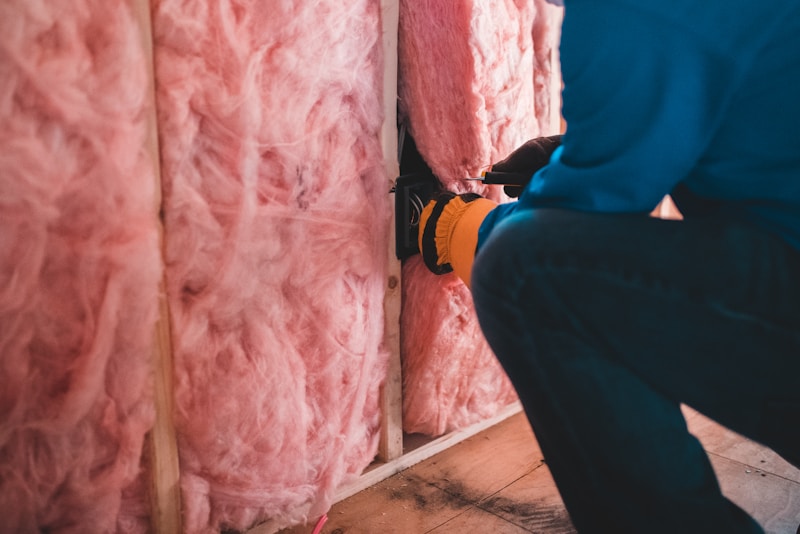
TLDR: Adding attic insulation is one of the best home energy investments. Costs run $1-$3 per square foot professionally installed. DIY with batts costs $0.50-$1 per square foot. Payback is typically 2-5 years. Target R-38 in mild climates, R-49 to R-60 in cold climates.
Why Attic Insulation Matters
Heat rises. In winter, it rises right through your ceiling and escapes through the attic. Up to 25% of home heat loss occurs through inadequate attic insulation.
In summer, a hot attic (140°F+) radiates heat down into your living space, making your AC work harder.
Proper attic insulation solves both problems.
Recommended R-Values by Climate Zone
| Climate Zone | States (Examples) | Recommended R-Value |
|---|---|---|
| Zone 1 (Hot) | FL, HI, Puerto Rico | R-30 to R-49 |
| Zone 2-3 (Warm) | TX, AZ, CA, GA | R-38 to R-49 |
| Zone 4-5 (Mixed) | VA, OH, PA, CO | R-49 to R-60 |
| Zone 6-7 (Cold) | MN, WI, NY, MT | R-49 to R-60 |
Most existing homes have R-19 to R-30. Adding to R-49 or R-60 provides meaningful savings.
Types of Attic Insulation
Fiberglass Batts
- Cost: $0.50-$1.00/sqft DIY, $1.50-$2.50/sqft installed
- R-value: R-3.0 to R-3.7 per inch
- Best for: DIY installation in accessible attics with standard joist spacing
- Pros: Cheap, easy to install, widely available
- Cons: Leaves gaps, doesn't work well with irregular spacing
Blown-In Fiberglass
- Cost: $1.50-$2.50/sqft installed
- R-value: R-2.2 to R-2.7 per inch
- Best for: Attics with obstacles, irregular spacing, or existing insulation
- Pros: Complete coverage, fills gaps, fast installation
- Cons: Requires equipment, settles slightly over time
Blown-In Cellulose
- Cost: $1.25-$2.00/sqft installed
- R-value: R-3.2 to R-3.8 per inch
- Best for: Eco-conscious homeowners, good all-around choice
- Pros: Made from recycled paper, good R-value, fills gaps well
- Cons: Can absorb moisture, heavier than fiberglass
Spray Foam
- Cost: $3.00-$5.00/sqft installed
- R-value: R-3.7 (open-cell) to R-6.5 (closed-cell) per inch
- Best for: Air sealing and insulation in one, roof deck applications
- Pros: Highest R-value per inch, excellent air sealing
- Cons: Expensive, requires professional installation, can cause moisture issues if done wrong
DIY vs Professional Installation
Good DIY projects:
- Adding batts to an accessible attic floor
- Topping up existing insulation
- Insulating attic access hatches
Hire a professional for:
- Blown-in insulation (requires equipment)
- Spray foam (toxic during application)
- Attics with limited access or hazards
- Air sealing before insulating
The Air Sealing Step
Before adding insulation, seal air leaks. Common leak points:
- Around recessed lights
- Plumbing and electrical penetrations
- HVAC ductwork connections
- Attic hatch edges
- Top plates of walls
Air sealing can save as much energy as the insulation itself. A home energy audit identifies leak locations.
Q&A: Attic Insulation
Q: Can I add new insulation over old?
A: Usually yes, if the old insulation is dry and in decent condition. Remove any damaged, moldy, or wet insulation first. Adding blown-in over existing batts works well.
Q: How do I know my current R-value?
A: Measure the depth and identify the type. Fiberglass batts: depth in inches x 3.2 = approximate R-value. Cellulose: depth x 3.5. Six inches of fiberglass batts is roughly R-19.
Q: What about attic ventilation?
A: Don't block soffit vents with insulation. Use baffles to maintain airflow from soffits to ridge. Proper ventilation prevents moisture problems and extends roof life.
Q: Is there a tax credit?
A: Yes. Insulation qualifies for the 30% energy efficiency tax credit, up to $1,200 per year. This is part of the broader 25C home improvement credit through 2032.
Cost and Savings Example
1,500 sqft attic, upgrading from R-19 to R-49:
- Blown-in cellulose: 1,500 x $1.75 = $2,625
- Tax credit (30%): -$788
- Net cost: $1,837
- Annual savings: $300-$500
- Payback: 4-6 years
The Bottom Line
Attic insulation is one of the fastest-payback energy improvements. If your attic has less than R-38, adding more makes financial sense.
DIY batts work for accessible attics. For thorough coverage, hire a professional for blown-in insulation. Either way, the investment pays for itself within 3-6 years.
DIY Attic Insulation Step-by-Step
If you're adding batt insulation yourself, follow this process:
Safety First
- Wear long sleeves, gloves, safety glasses, and N95 mask
- Use a headlamp and work light—attics are dark
- Walk only on joists or lay plywood boards
- Watch for nails protruding through roof sheathing
- Don't insulate on hot days—attics can exceed 140°F
Preparation
Before adding insulation:
- Seal air leaks around penetrations with foam or caulk
- Install baffles at eaves to maintain ventilation
- Mark the location of any electrical junction boxes
- Create a walkway to the HVAC unit if needed
Installation
For batts:
- Lay batts perpendicular to existing insulation if adding a second layer
- Fit batts snugly between joists without compressing
- Cut around obstacles with a utility knife
- Never lay insulation over recessed lights unless they're IC-rated
Hiring a Professional
When to call a pro:
- You want blown-in insulation (requires specialized equipment)
- Attic has limited access or low clearance
- Existing insulation contains vermiculite (possible asbestos)
- You need comprehensive air sealing
- Spray foam is the right solution
Getting Quotes
When requesting insulation quotes:
- Ask for final R-value, not just inches
- Confirm air sealing is included
- Verify they'll install ventilation baffles
- Ask about cleanup and debris removal
- Check for utility rebates they can help you claim
Combining with Other Improvements
Attic insulation pairs well with other energy upgrades:
Heat pump installation: Better insulation means smaller equipment can heat/cool your home. This saves on equipment cost and improves efficiency.
Solar panels: Lower heating and cooling loads mean more of your solar production covers your total needs. Smaller system required.
Air sealing: Always seal before insulating. Many contractors offer combined air sealing and insulation services at better rates than separate jobs.
Timing Your Project
Best times to insulate:
- Spring and fall: Mild attic temperatures make work comfortable
- Before HVAC replacement: Improves sizing calculations
- Before solar installation: Reduces required system size
- Before summer or winter: Maximize savings from the start of the season
Avoid midsummer if possible—attic heat makes work miserable and can even be dangerous.
Attic insulation is unglamorous but incredibly effective. It's one of the few home improvements that truly pays for itself in energy savings. Combined with the 30% federal tax credit (up to $1,200 for insulation), there's never been a better time to upgrade your attic insulation.
Common Mistakes to Avoid
Learn from others' errors:
Blocking Ventilation
Never push insulation into soffit vents. This blocks airflow and causes moisture problems. Always install baffles to maintain the path from soffits to ridge vents.
Compressing Insulation
Compressed insulation loses R-value. If batts are too thick for the space, don't stuff them in—choose appropriate thickness or use blown-in instead.
Ignoring Air Sealing
Adding insulation over air leaks is like putting on a sweater with holes. Seal penetrations first, then insulate. The combination is far more effective than either alone.
Covering Recessed Lights
Standard recessed lights are fire hazards when covered with insulation. Either replace with IC-rated fixtures or use approved insulation covers. This is a code requirement.
DIY in Wrong Situations
Some attics aren't safe for DIY work. Very low clearance, vermiculite insulation (possible asbestos), extensive electrical work, or major air sealing needs call for professional help.
Finding a Contractor
When hiring for insulation work:
- Get multiple quotes: At least three, ideally five for larger jobs
- Check references: Ask for recent customer contacts
- Verify insurance: Workers' comp and liability coverage
- Ask about air sealing: The best contractors include it automatically
- Confirm final R-value: Get it in writing, not just inches of material
Measuring Success
After insulation upgrades, you should notice:
- More even temperatures throughout the house
- HVAC runs less frequently
- Lower utility bills (15-25% reduction typical)
- More comfortable rooms that were previously too hot or cold
- Less ice damming in winter (for cold climates)
If you don't notice improvement, have the work inspected. Gaps, compressed material, or missed areas reduce effectiveness.
Attic insulation remains one of the smartest energy investments any homeowner can make. Whether you tackle it yourself with batts or hire a professional for blown-in, the savings start immediately and continue for decades. Don't overlook this foundational energy upgrade.
Regional Considerations
Your climate zone affects insulation choices:
Hot climates (FL, TX, AZ): Focus on radiant barriers in addition to floor insulation. Reflective barriers on the underside of the roof deck block heat from entering. Combined with R-38+ floor insulation, you get the best performance.
Mixed climates (VA, TN, NC): Standard blown-in or batt insulation works well. Target R-49 for maximum efficiency. Air sealing is particularly important where heating and cooling seasons are both significant.
Cold climates (MN, WI, ME): Higher R-values (R-60) are cost-effective. Vapor barriers on the warm side of insulation prevent moisture problems. Consider spray foam for air sealing at the rim joist area.
Combining with Other Energy Improvements
Attic insulation works synergistically with other upgrades:
Before HVAC replacement: Adding insulation first allows you to size new equipment smaller, saving on equipment cost and improving efficiency.
With solar panels: Lower heating and cooling loads mean your solar system covers more of your needs. The same solar array goes further with a well-insulated home.
With air sealing: Always combine insulation with air sealing for maximum impact. Many contractors offer bundled services at better rates than separate projects.
Attic insulation is foundational work that supports all other energy improvements. Doing it first or early in your energy upgrade journey multiplies the benefits of everything that follows.